

Customer retention strategies focus on building strong relationships, improving customer satisfaction, and encouraging repeat business.
When customers do not feel valued or satisfied, they are more likely to switch to competitors who offer better experiences and stronger relationships. This is why understanding Customer Retention Strategies is essential for long-term business success.
In this blog post, you will discover practical and easy-to-apply strategies that help businesses build stronger relationships, improve customer loyalty, increase repeat purchases, and create a positive experience that keeps customers coming back again and again.
1. Provide Excellent Customer Service Every Time
Think of customer service as the heartbeat of your business.
It is not just about fixing problems. It is about building relationships.
When you provide excellent service, you show your customers you care. This is a core strategy for Customer Retention Strategies.
Happy customers stay with you longer.
They tell their friends about you.
They become your biggest fans and advocates.

Good service starts with being helpful. It means listening carefully to what your customers say. It means understanding their needs and feelings.
Sometimes, a customer just wants to feel heard.
Even if you cannot solve their exact problem, being kind and understanding goes a long way.
People remember how you made them feel.
A positive feeling makes them want to come back.
Bad customer service, on the other hand, can quickly drive people away.
One bad experience can undo months of good work. It is like building a beautiful sandcastle, only for one wave to wash it all away.
In today’s world, bad experiences spread fast.
People share their stories online. This can hurt your business more than you think.
That is why every interaction matters.
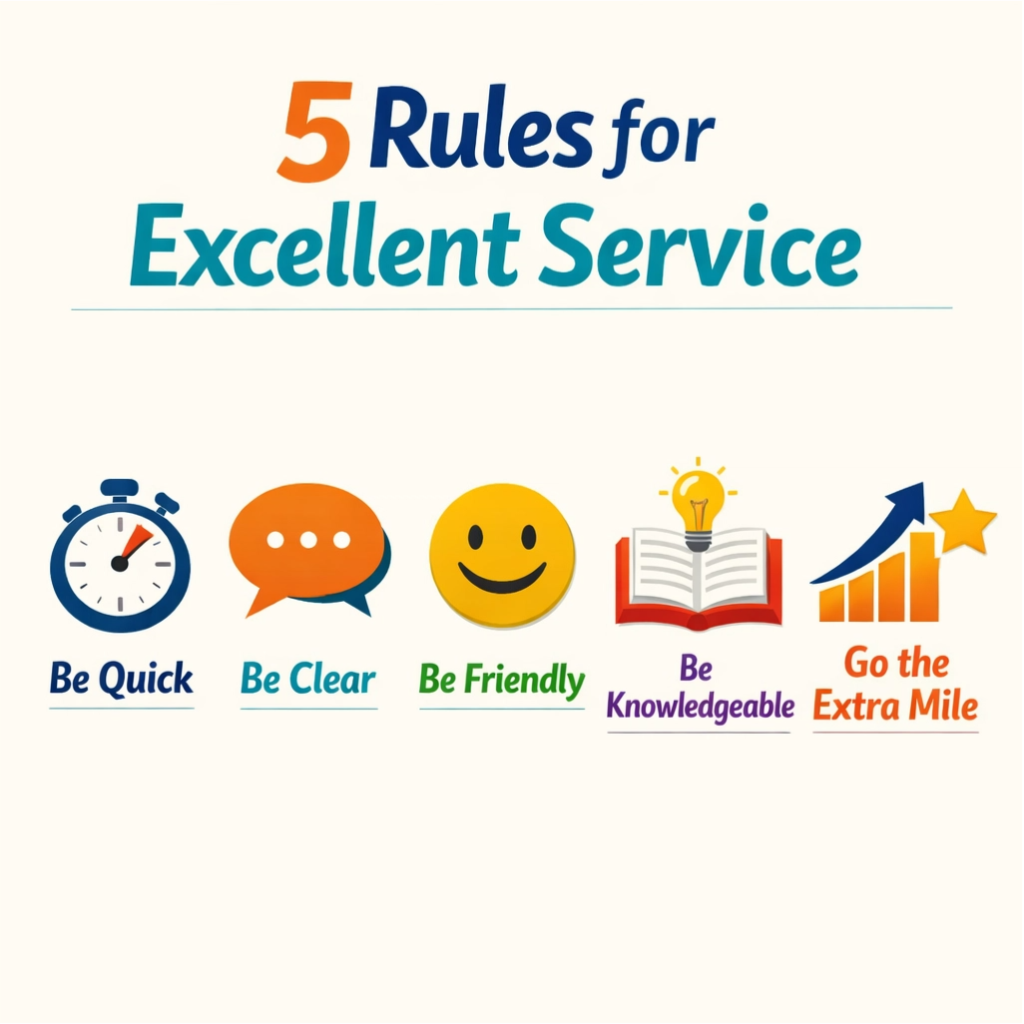
So, how do you provide excellent service consistently? It starts with a few simple rules:
- Be Quick: Respond to questions and problems as fast as you can. Even a quick message saying, “We got your message and will be with you soon,” helps a lot.
- Be Clear: Use simple language. Avoid jargon. Make sure your answers are easy to understand and follow.
- Be Friendly: A warm, polite tone makes a big difference. Even in tough situations, stay calm and respectful.
- Be Knowledgeable: Know your product inside and out. This helps you give accurate and helpful advice.
- Go the Extra Mile: Sometimes, doing a little more than expected can create a “wow” moment. This is what people remember and talk about.
Think about the last time you had amazing customer service.
What made it great? Now, think about your own business.
What is one small thing you can do this week to make your customer service even better? Maybe it is setting a goal to respond to all emails within 24 hours.
2. Personalize the Customer Experience
Imagine walking into your favorite coffee shop.
The barista knows your name and your usual order.
That feeling of being recognized and understood is powerful. This is what personalizing the customer experience is all about. It is a key strategy for Customer Retention Strategies. It makes your customers feel special, not just like another number.
When customers feel seen, they are more likely to stay loyal to your business.

In today’s busy world, people are tired of being treated like everyone else.
They want businesses to understand their unique needs and preferences.
Personalization means tailoring your interactions, products, and offers to each individual customer.
It is about showing them that you know who they are and what they like. This builds a deeper connection and trust.
It moves your relationship from a simple transaction to a meaningful partnership.
So, how can you personalize the experience for your customers? You do not need complex technology to start. Small, thoughtful gestures can make a big difference.
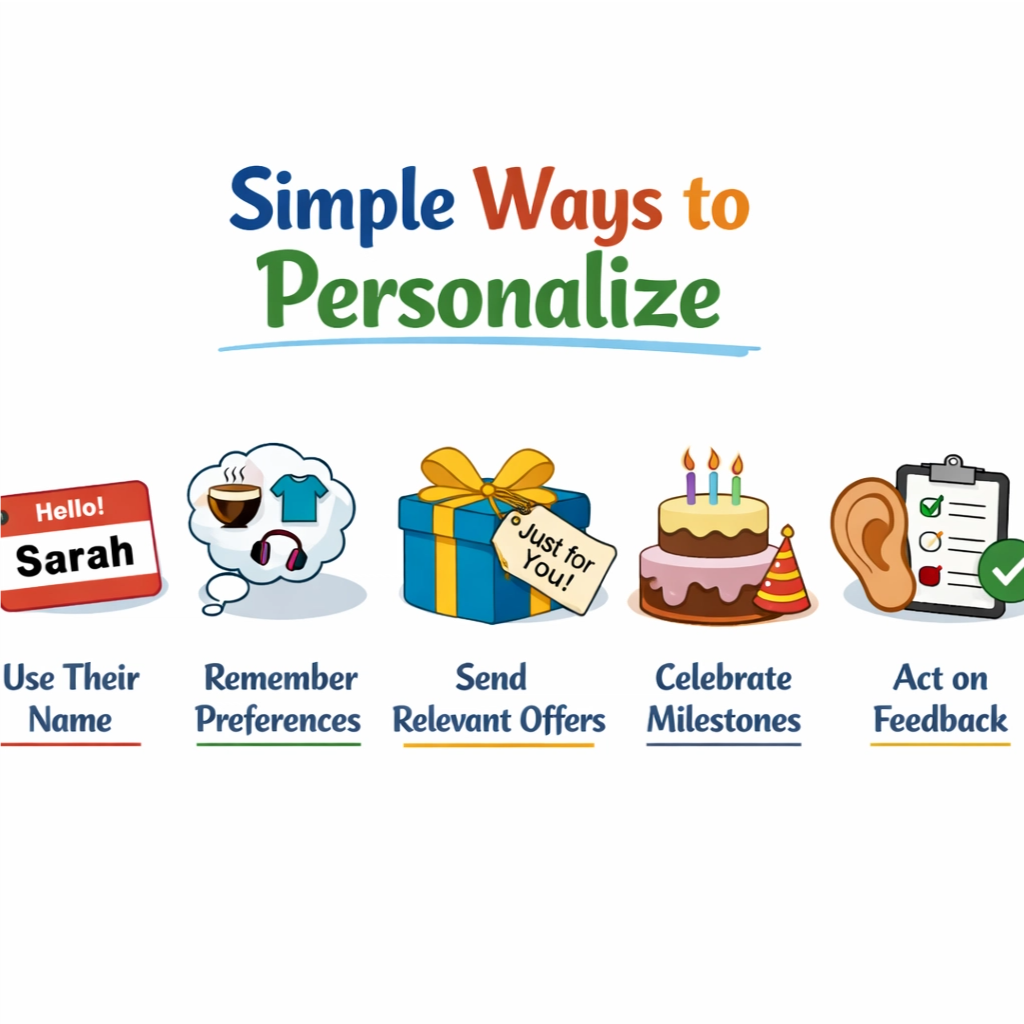
Here are simple ways to personalize:
- Use Their Name: Always use your customer’s name in emails, messages, and even on your website if possible. It is a small detail that creates a big impact.
- Remember Their Preferences: If they bought a certain type of product before, suggest similar items. If they asked a question about a specific feature, follow up with more information on that topic.
- Send Relevant Offers: Do not send every customer the same discount. Offer deals on products they have shown interest in or purchased previously. This makes the offer feel like it was made just for them.
- Celebrate Milestones: Acknowledge their birthday or the anniversary of their first purchase. A small greeting or a special discount can create a memorable moment.
- Ask for Feedback (and Act on It): When you ask for feedback and then show you have listened by making changes, you are personalizing their experience. You are showing their opinion matters.
Look at your customer list.
Can you segment them into groups based on what they have bought or shown interest in? Start with one small group.
Send them a personalized email using their name and suggesting a product they might genuinely love.
3. Create a Loyalty Program
Imagine you have a favorite store.
Every time you buy something, you get points. These points turn into discounts or special gifts.
This makes you want to shop there more often.
This is the magic of a loyalty program.
It is a powerful tool in your Customer Retention Strategies.
It rewards your customers for choosing you again and again.
It makes them feel appreciated and gives them a reason to keep coming back.
Why are loyalty programs so effective? Because people love to feel valued.
They love getting something extra.

A loyalty program turns every purchase into a small win for your customer.
It is a way of saying “thank you” for their continued business. This builds a strong emotional connection.
It also makes it harder for them to switch to a competitor.
Why go somewhere new when your current business gives you great rewards?
Loyalty programs do not have to be complex.
You can start with something very simple.
The goal is to make it easy for customers to understand and easy for you to manage.
The best programs are clear about how customers earn rewards and what those rewards are.
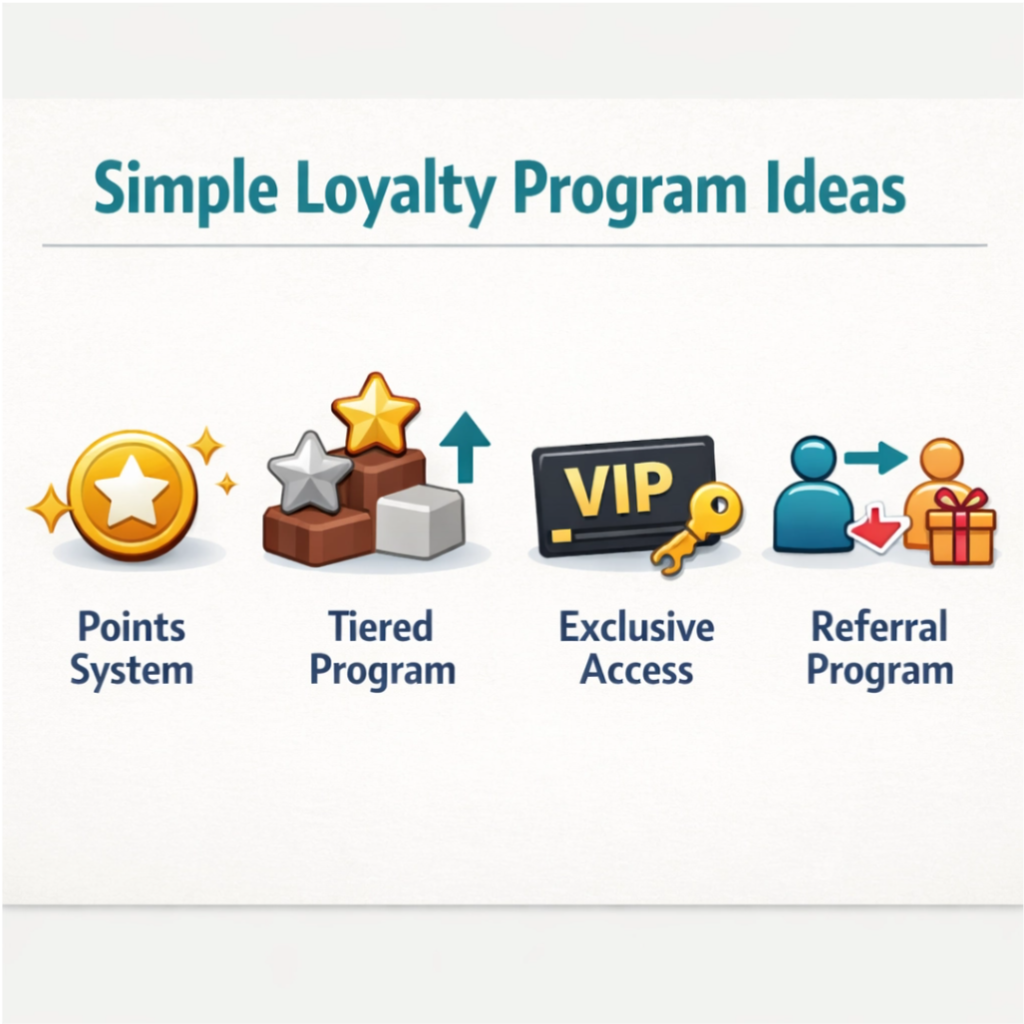
Here are some simple ideas for a loyalty program:
- Points System: Customers earn points for every dollar they spend. These points can be exchanged for discounts or free products.
- Tiered Program: Customers reach different levels (e.g., Silver, Gold, Platinum) based on how much they buy. Each level unlocks better rewards.
- Exclusive Access: Offer loyal customers early access to new products, special content, or members-only events.
- Referral Program: Reward customers for bringing new customers to your business. This turns your loyal fans into your sales team.
When designing your program, think about what your customers truly value.
Is it discounts?
Exclusive content?
A sense of community?
Make sure the rewards are exciting and relevant to them.
Promote your program clearly.
Let your customers know how they can join and what benefits they will get.
Make it a no-brainer for them to sign up.
4. Ask for Feedback and Actually Use It
Imagine you are talking to a friend, and they keep asking for your opinion.
You share your thoughts, but then they never do anything with what you said.
How would that make you feel? Probably ignored. The same is true for your customers.
Asking for feedback is good, but actually using it is what builds trust and loyalty. This is a critical part of your Customer Retention Strategies.
It shows your customers that their voice matters.
It proves you are listening and that you care about making things better for them.
Many businesses ask for feedback, but few truly act on it. This is a missed opportunity.
When you ask for input, you are making a promise to your customers.
You are saying, “Tell us what you think, and we will consider it.”
If you then ignore their suggestions, they will stop giving feedback.
They will feel like their time was wasted. This can damage your relationship and make them look for other options.
But when you make changes based on their ideas, it is a powerful signal. It tells them they are part of your team.
So, how do you ask for feedback effectively and then make sure you use it?
First, make it easy for customers to share their thoughts.
You can use simple surveys, direct emails, or even social media polls.
Keep your questions clear and focused.
Do not ask too many questions at once. Focus on specific areas you want to improve.
Second, create a system to collect and review the feedback. This does not have to be complicated.
A simple spreadsheet can work. Look for patterns.
Are many customers saying the same thing? That is a strong sign you need to make a change.
Do not just focus on the negative. Celebrate the positive feedback too!
Third, and most importantly, act on the feedback.
If you decide to make a change based on customer input, tell them! Send an email saying, “You asked, and we listened!
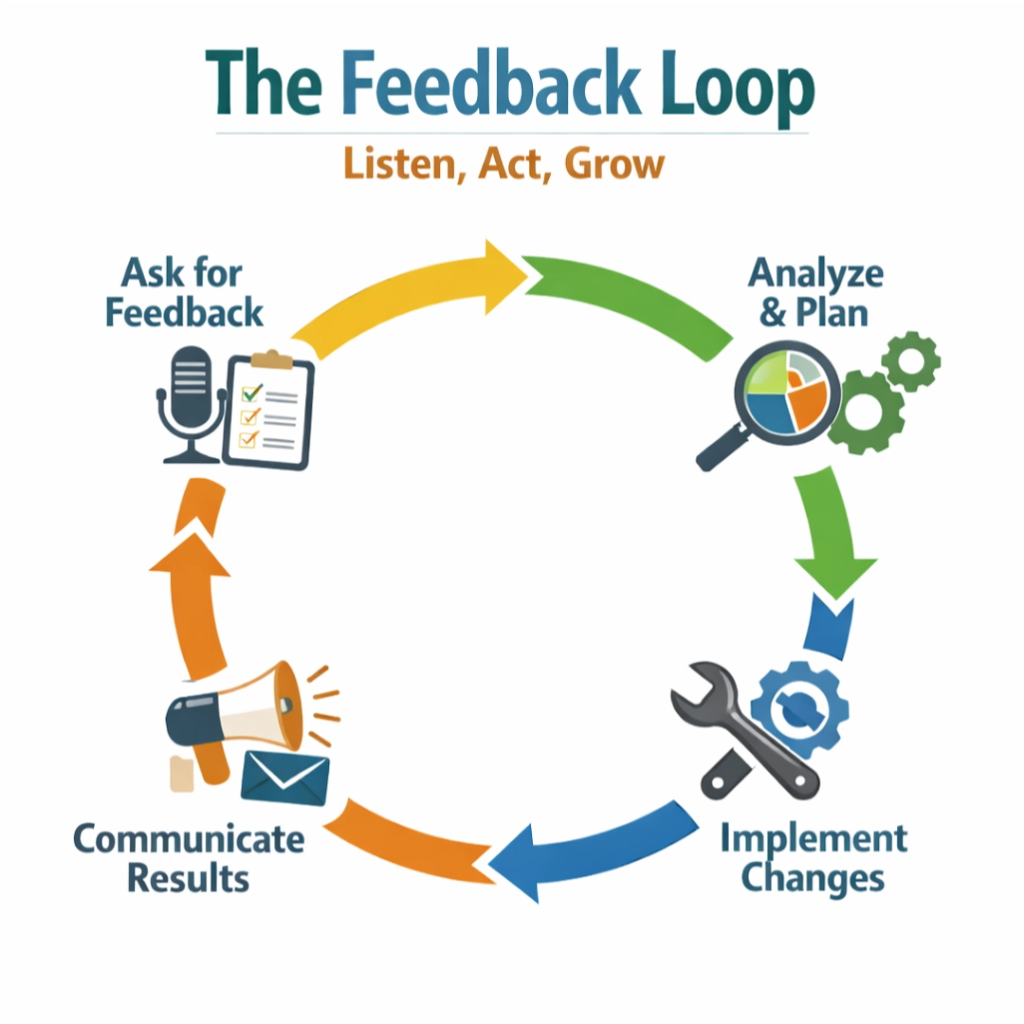
Here is the new feature/improvement.” This closes the loop.
It shows them their feedback led to a real improvement.
This makes them feel valued and encourages them to continue giving feedback in the future.
This continuous cycle of listening and improving is a powerful Customer Retention Strategy.