

Launching a new product can feel like standing at the edge of a vast ocean, unsure where to begin.
The excitement is real, but so is the overwhelm.
How do you ensure your brilliant idea makes a splash instead of a ripple? This Product Launch Checklist is your compass.
I will guide you through every essential step, from understanding your audience and crafting your message to building anticipation and celebrating your first sales.
You will learn how to prepare thoroughly, connect with your customers, and continuously improve, turning a daunting task into a clear, actionable journey towards a successful launch.
Let’s make your product shine!
Step1: Clearly Define Your Product
Before you can launch a product, you must know exactly what it is.
This is the first and most important step in your Product Launch Checklist.
Many creators skip this. They have a fuzzy idea. They think, “I’ll create a course for everyone.” But a fuzzy idea leads to a fuzzy product.
A fuzzy product is impossible to sell.
Your first job is to bring your idea into sharp focus. Think of it like a blurry photo.
You need to adjust the lens until every detail is crystal clear.
A clear product definition is your map for the entire launch.

To get clear, you don’t need a complex business plan.
You just need to answer three simple questions: Who, What, and Why.
This simple framework will transform your idea from a vague concept into a solid foundation.
It’s the most powerful tool you have at this stage. It forces you to make choices. It forces you to be specific.
And in the world of product launches, specific sells.
Here are the three questions:
- Who is this for? Be painfully specific. “Everyone” is not an answer. “Moms” is not an answer. “New moms working from home who struggle to find 30 minutes to exercise” is a great answer.
- What is it? Again, be specific about the format. Is it a 100-page ebook? A 5-day email course? A collection of 50 Canva templates? A one-hour video workshop?
- Why does it matter? This is the transformation. What is the specific outcome or result someone gets after using your product? Don’t say “they will be happier.” Say “they will have a 30-day content calendar so they never have to wonder what to post on social media again.”
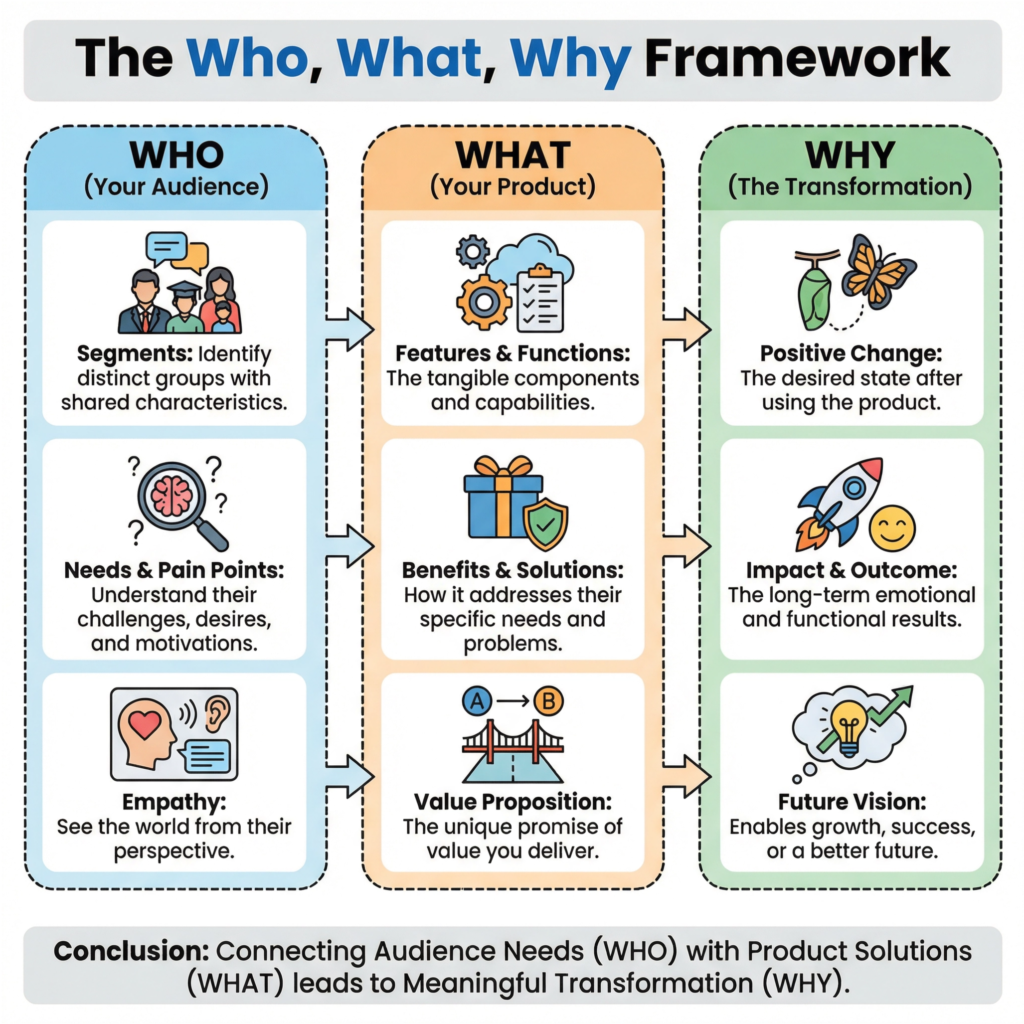
Answering these questions is the foundation of your entire Product Launch Checklist.
It makes every other step easier, from writing your sales page to creating your marketing content.
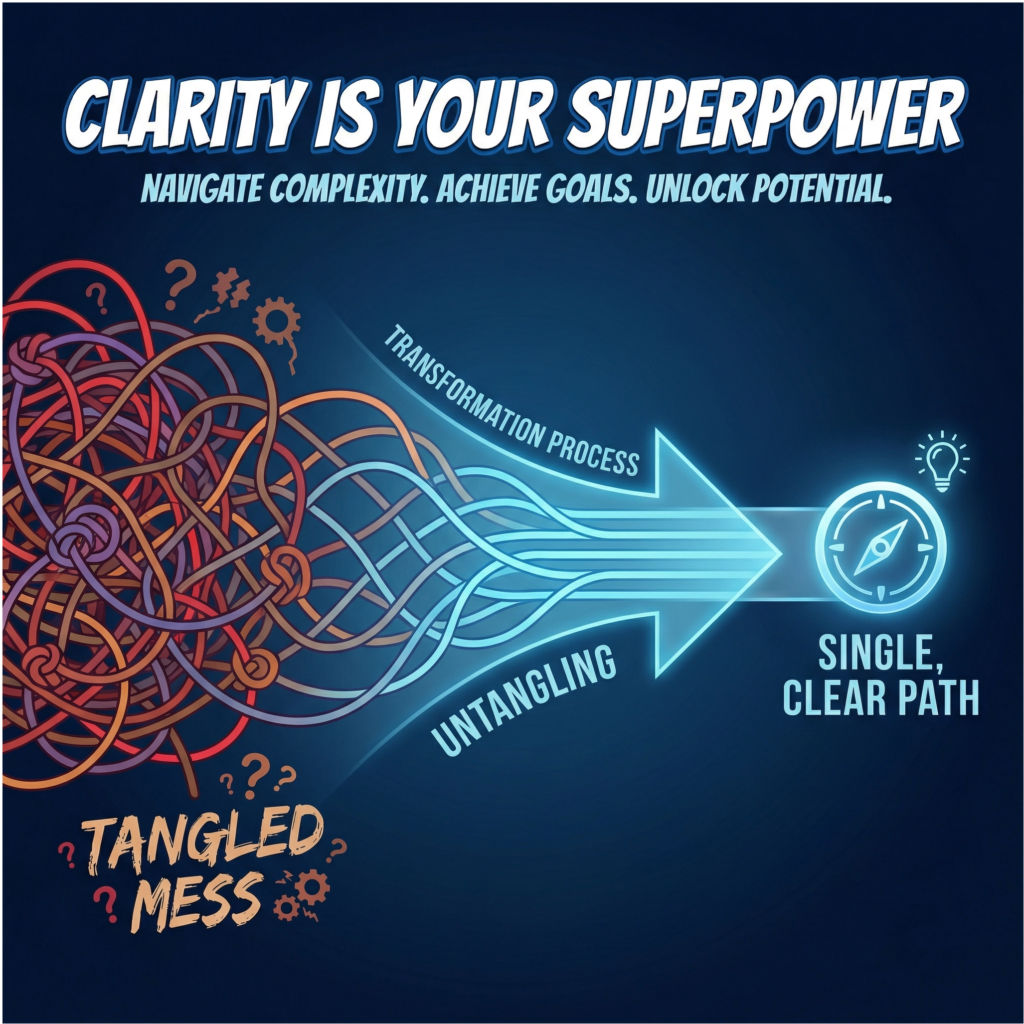
Clarity is your superpower.
Step2: Identify Your Target Audience
Now that you know what your product is, you need to know who it is for. This is the next critical step in your Product Launch Checklist.
Trying to sell to everyone is the fastest way to sell to no one.
Your product is not for everyone. It is for a specific person with a specific problem.
Your job is to find that person. Think of yourself as a detective. You are not guessing. You are gathering clues and building a profile of the exact person who needs your help.
Knowing your audience deeply is the secret to a successful launch.

The biggest mistake creators make is assuming they know their audience.
They build products based on what they think people want.
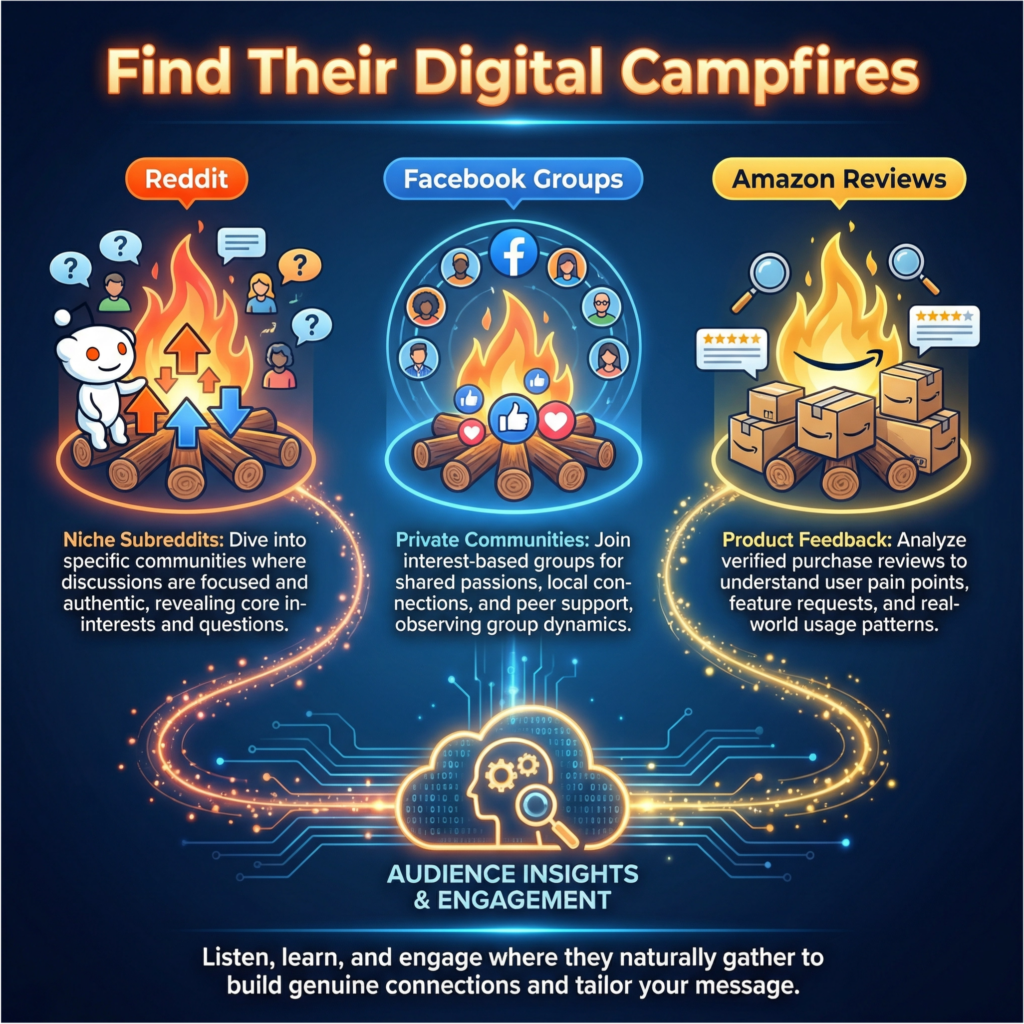
Smart creators listen first. They go to the places where their ideal customers hang out online. These are their “digital campfires.”
These are the online forums, social media groups, and review sections where people have honest conversations about their struggles and frustrations.
This is where you will find the raw, unfiltered truth about what your audience really wants and needs.
Here are the best places to find your audience:
- Reddit: Find subreddits related to your topic. Look at the most popular posts and the most common questions.
- Facebook Groups: Join groups where your ideal customers are active. Pay attention to the problems they share and the solutions they are looking for.
- Amazon Reviews: Look up books related to your topic. Read the 3-star reviews. These are goldmines of information about what is missing from existing solutions.
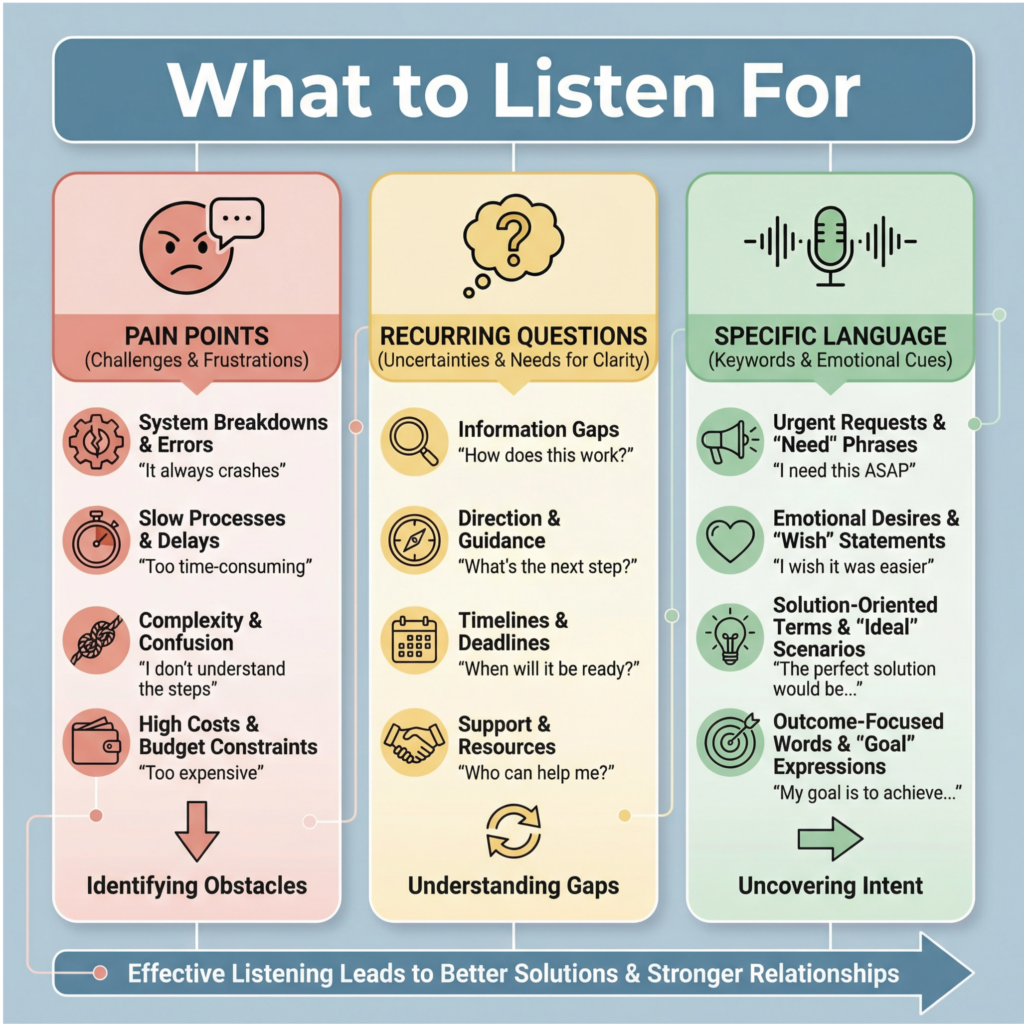
As you are listening, pay attention to the exact words and phrases people use.
What are their biggest pain points?
What are their recurring questions? Write down their language.
This will become your marketing copy.
When you use their words, they will feel like you are reading their minds.
This is how you build a product that resonates and sells itself.
This is a vital part of your Product Launch Checklist.
Step3: Set Clear Launch Goals
Before you start your launch, you need to know what success looks like. This is a vital step in your Product Launch Checklist.
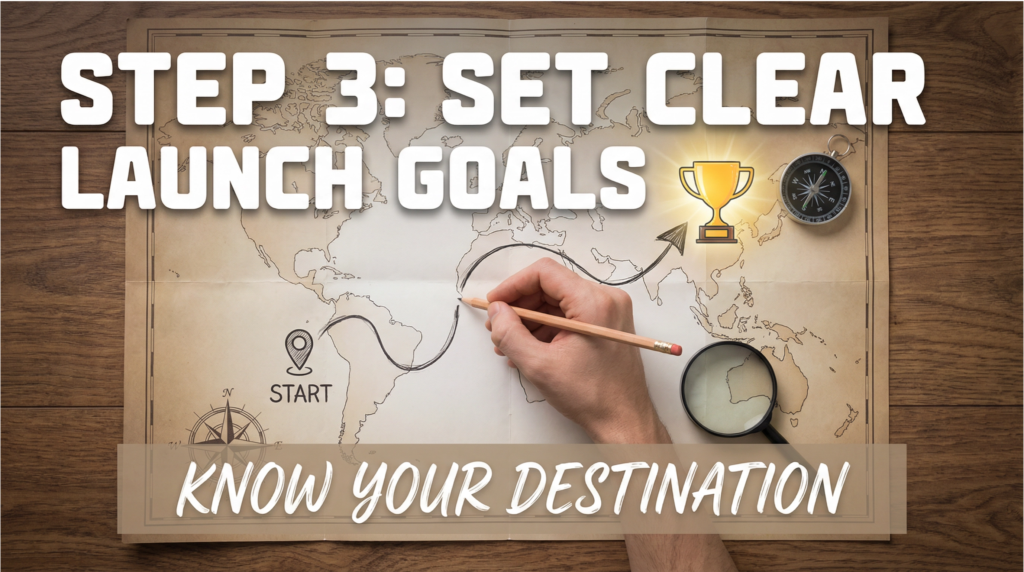
Launching without a goal is like starting a road trip with no destination.
You will drive around, waste gas, and end up nowhere.
A clear goal is your GPS. It tells you where you are going and how to get there. It keeps you focused. It turns a chaotic process into a clear plan.
Many creators skip this step. They just “put it out there” and hope for the best.
Hope is not a strategy. Clear goals are.
Your launch goal is not just about making money.
For a first launch, learning is often more important than earning.
You need to decide what your number one priority is. This will guide all of your decisions. There are three main types of goals you can set.
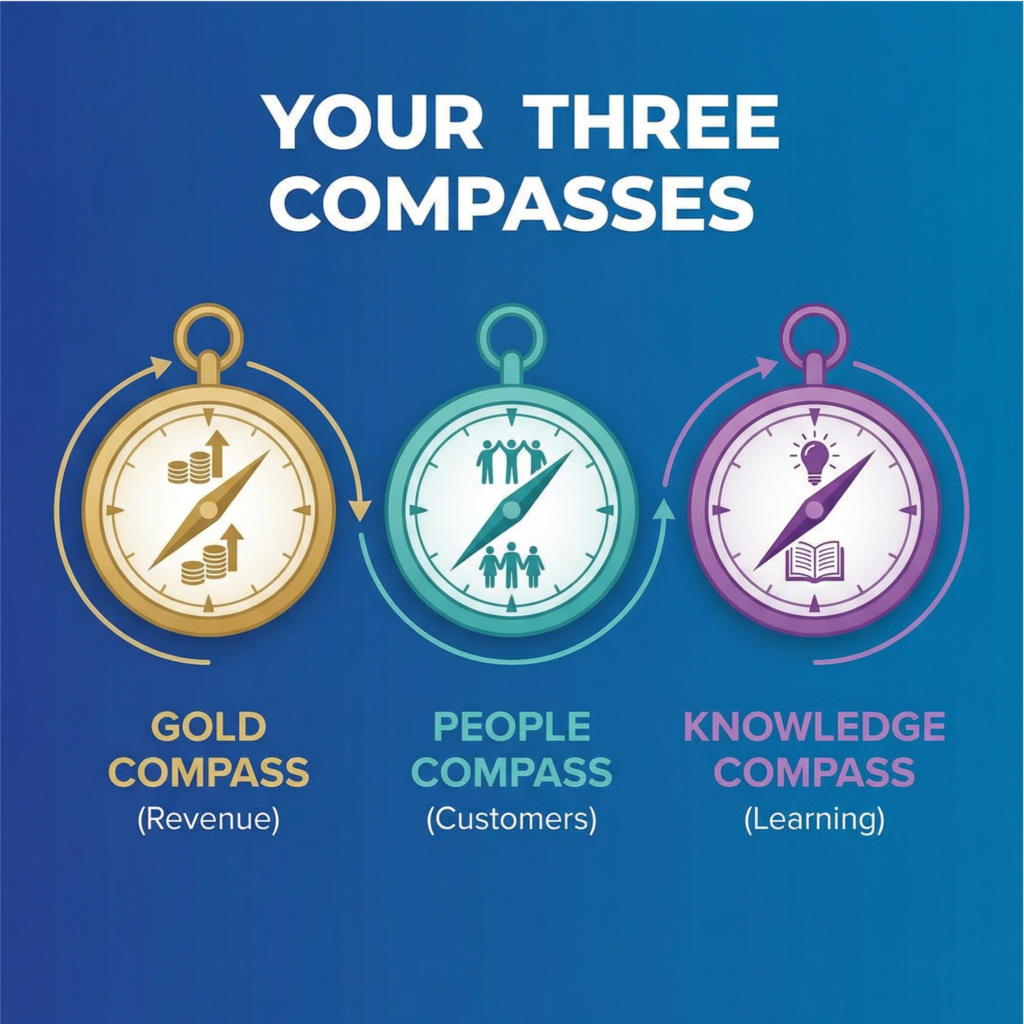
Think of them as three different compasses, each pointing in a different direction. You can only follow one at a time.
Here are the three types of launch goals:
Revenue Goal (The Gold Compass)
This is a specific sales target.
For example, “Make $1,000 in the first 7 days.”
This goal is great if you have an existing audience and have validated your idea.
Customer Goal (The People Compass)
This focuses on the number of people you serve.
For example, “Get my first 10 paying customers.”
This is a perfect goal for a first launch.
It prioritizes getting testimonials and building a base of happy customers.
Learning Goal (The Knowledge Compass)
This is about gathering feedback.
For example, “Get 20 people to use the product and give me detailed feedback.”
This goal is smart when you are still testing your product and want to improve it quickly.
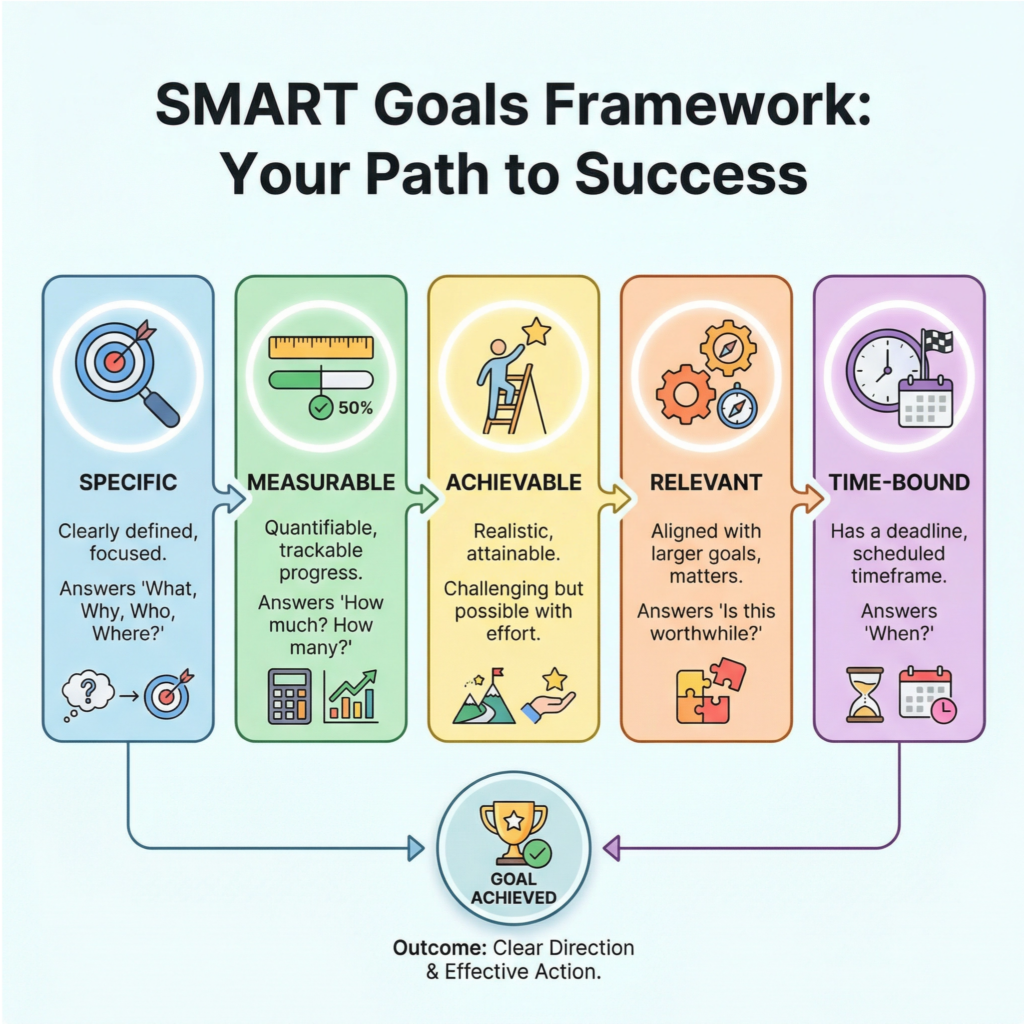
Once you choose your primary goal, make it a SMART goal. This is a simple framework to make your goal real.
It stands for Specific, Measurable, Achievable, Relevant, and Time-bound.
For example, a vague goal is “make some sales.”
A SMART goal is “Sell 25 units of my ebook (Specific, Measurable) in the first 30 days of launch (Time-bound), which is a realistic target for my small email list (Achievable) and will validate my product idea (Relevant).”
This is a crucial part of your Product Launch Checklist.
Step4: Finalize the Product
This is where you add the final polish. It’s a critical step in your Product Launch Checklist.
Think of yourself as a master craftsperson.
You have built a beautiful piece of furniture.
Now, you need to sand the edges, apply a final coat of varnish, and make sure every detail is perfect. This final check turns a good product into a great one.
It shows your customers you care about quality. It builds trust.
A polished product feels professional. It tells people they made a smart purchase.
Don’t rush this step. Small mistakes can make a big impact.
A single broken link or a typo can frustrate a customer and hurt your credibility.

Your goal here is to catch any errors before your customers do.
You want their experience to be smooth and seamless. This means looking at your product with fresh eyes. When you create something, you are too close to it.
You see what you meant to write, not what is actually there.
You need a system to check your work. This is your quality control process.
It is not about adding new content.
It is about perfecting what you have already created.
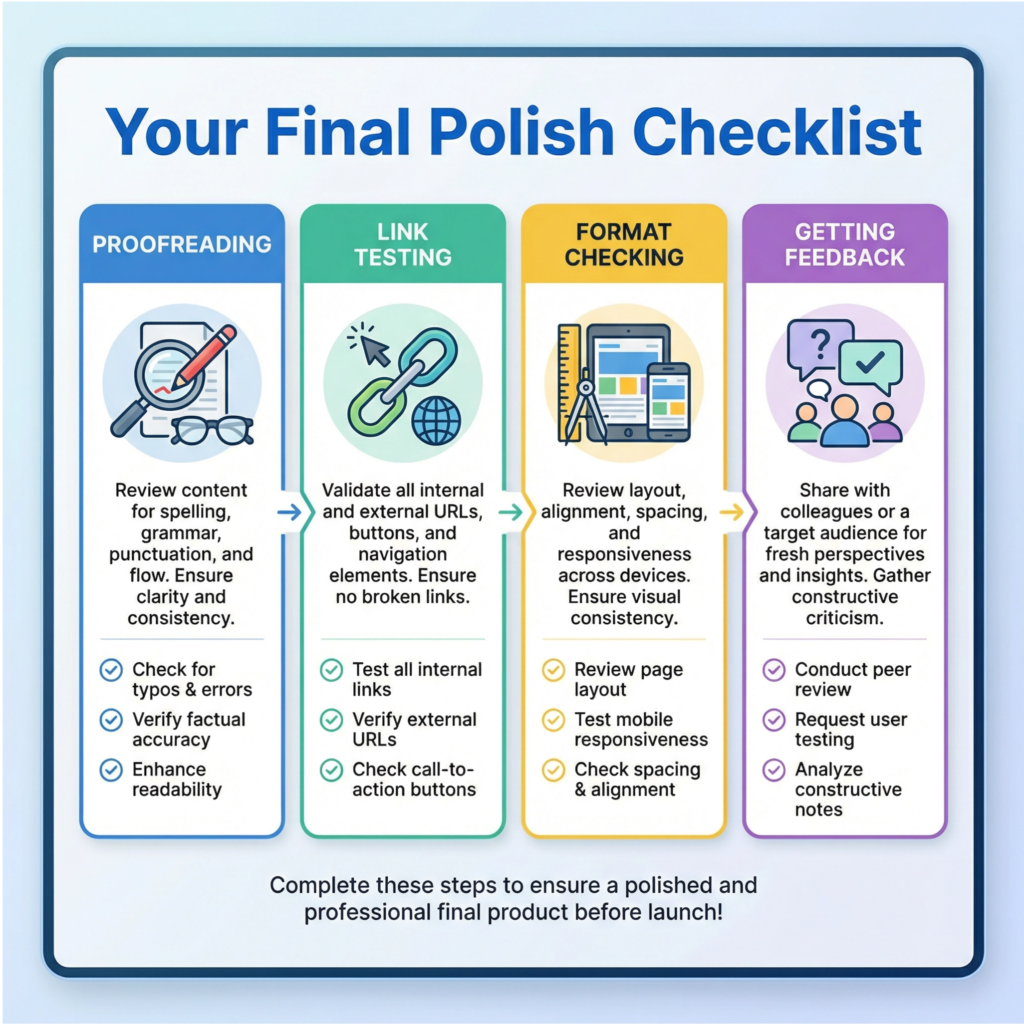
Here is a simple checklist for your final review:
Proofread Everything
Read every single word.
Look for spelling mistakes and grammar errors.
Read it out loud to catch awkward sentences.
Use a tool like Grammarly to help.
Test All Links
Click on every link in your product.
Make sure they go to the right place.
This includes links to websites, other sections of your product, or downloadable files.
Check Formatting
Look at your product on different devices.
Does it look good on a phone, a tablet, and a computer?
Is the text easy to read?
Are the images clear?
Get a Fresh Pair of Eyes
This is the most important step.
Ask a friend or a trusted peer to go through your product.
They will see the mistakes you missed.
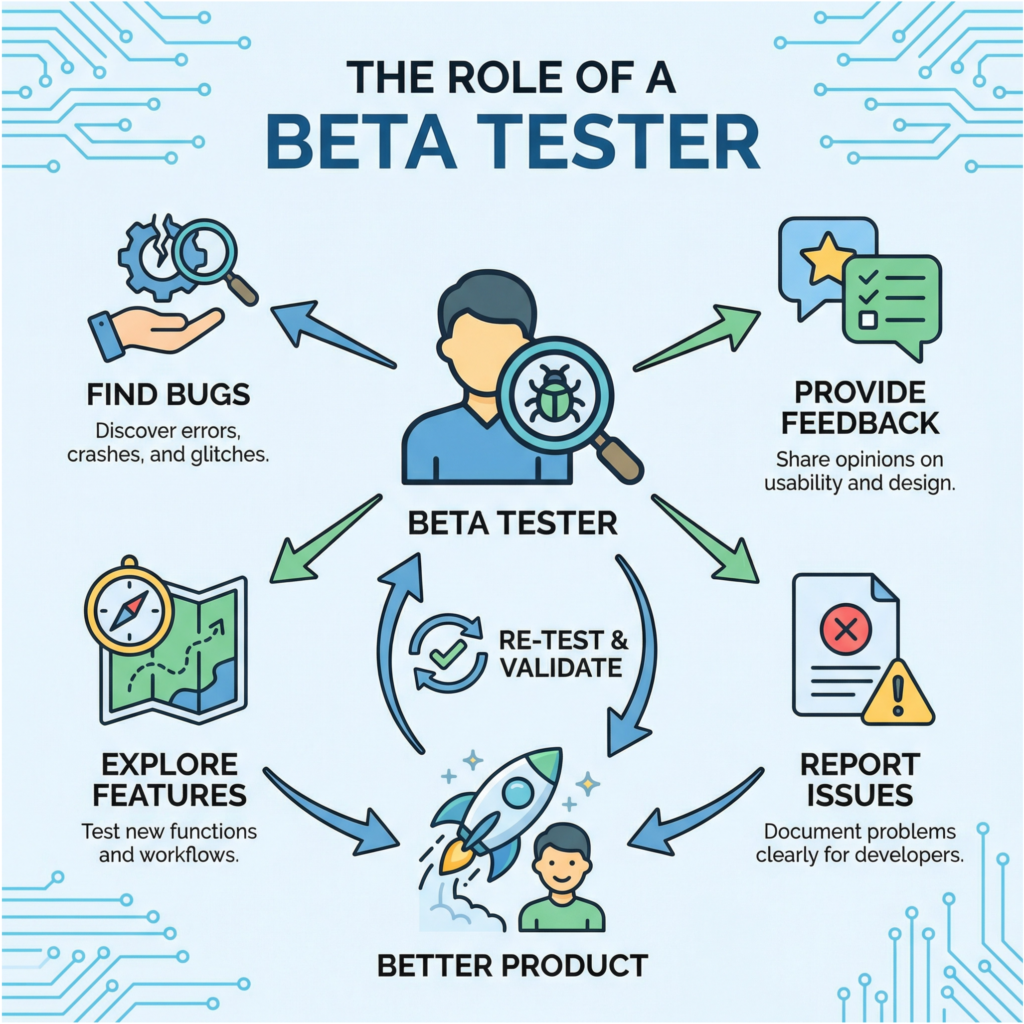
Ask them to be honest. This person is your first “beta tester.”
Getting feedback from a beta tester is invaluable.
They are your safety net.
They help you find problems before your paying customers do.
Choose someone who represents your target audience if possible.
Give them a free copy of your product in exchange for their honest feedback.
This is a key part of a successful Product Launch Checklist.
Step5: Test the Product
This is the final dress rehearsal before your show opens.
It is a vital step in your Product Launch Checklist.
In the last step, you polished the product itself.
Now, you must test the entire customer experience from start to finish.
Imagine you are a customer who has never heard of you.
You will walk through their exact journey. This test is not about the content anymore.
It is about the process.
A great product is useless if customers can’t buy it or access it easily.
A broken link or a confusing checkout can stop a sale instantly. This step ensures your hard work actually makes it into your customers’ hands.
Your goal is to find and fix any friction.
Friction is anything that makes the buying process difficult or confusing.
You want the path from “I want this” to “I have this” to be as smooth as possible.
A smooth process builds confidence and reduces refund requests. This is your chance to experience your own business as a customer.
You will be surprised what you find. Things that seem obvious to you can be confusing to a newcomer.
This is a critical part of any successful Product Launch Checklist because it protects your sales and your reputation from day one.
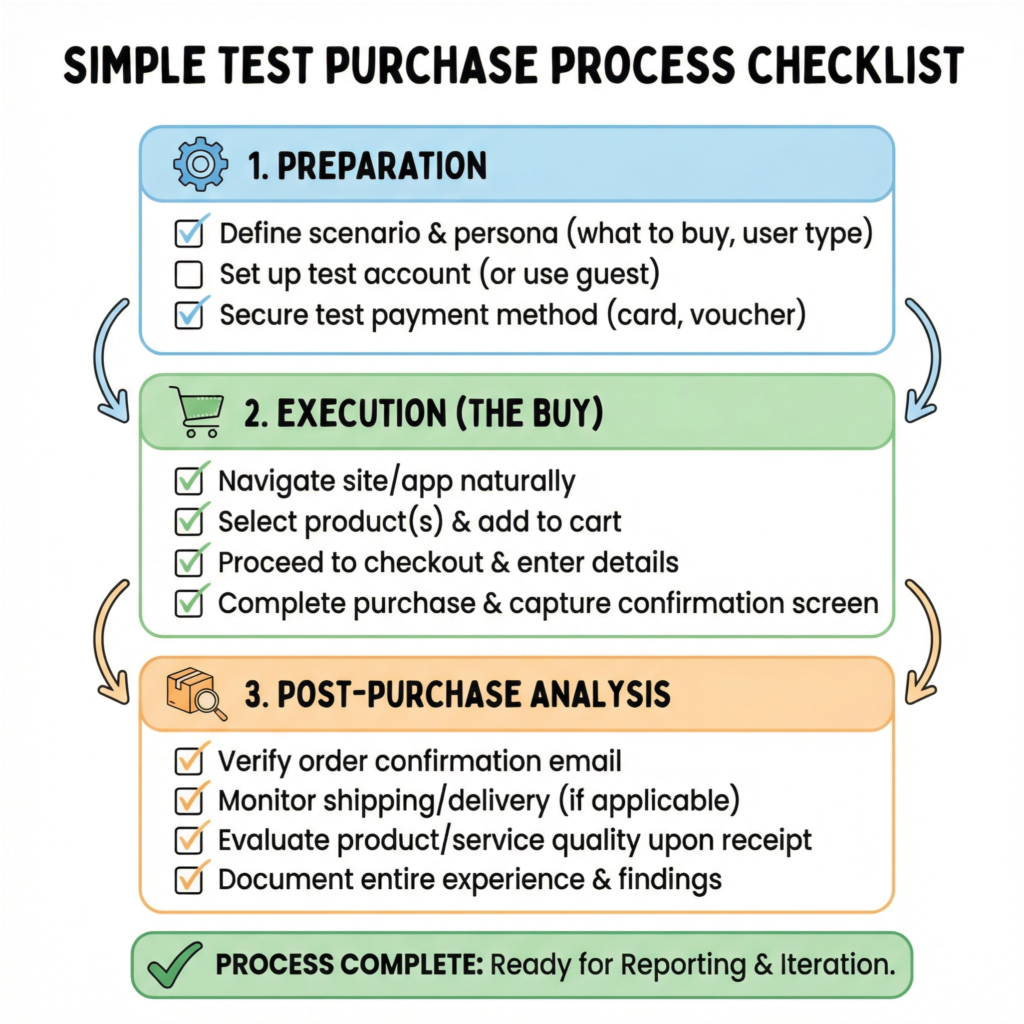
Here is a simple checklist for your dress rehearsal:
Become the Customer
Open an incognito or private browser window.
This ensures you see the page as a new visitor would.
Test the Purchase
Go to your sales page.
Click the buy button.
Use a 100% off coupon code so you don’t have to spend real money.
Go through the entire checkout process.
Check the Emails
Did you receive a confirmation email immediately?
Does it look professional?
Do all the links inside it work?
Access the Product
Click the download or access link from the email.
Is it easy to get the product?
Is the process clear and simple?
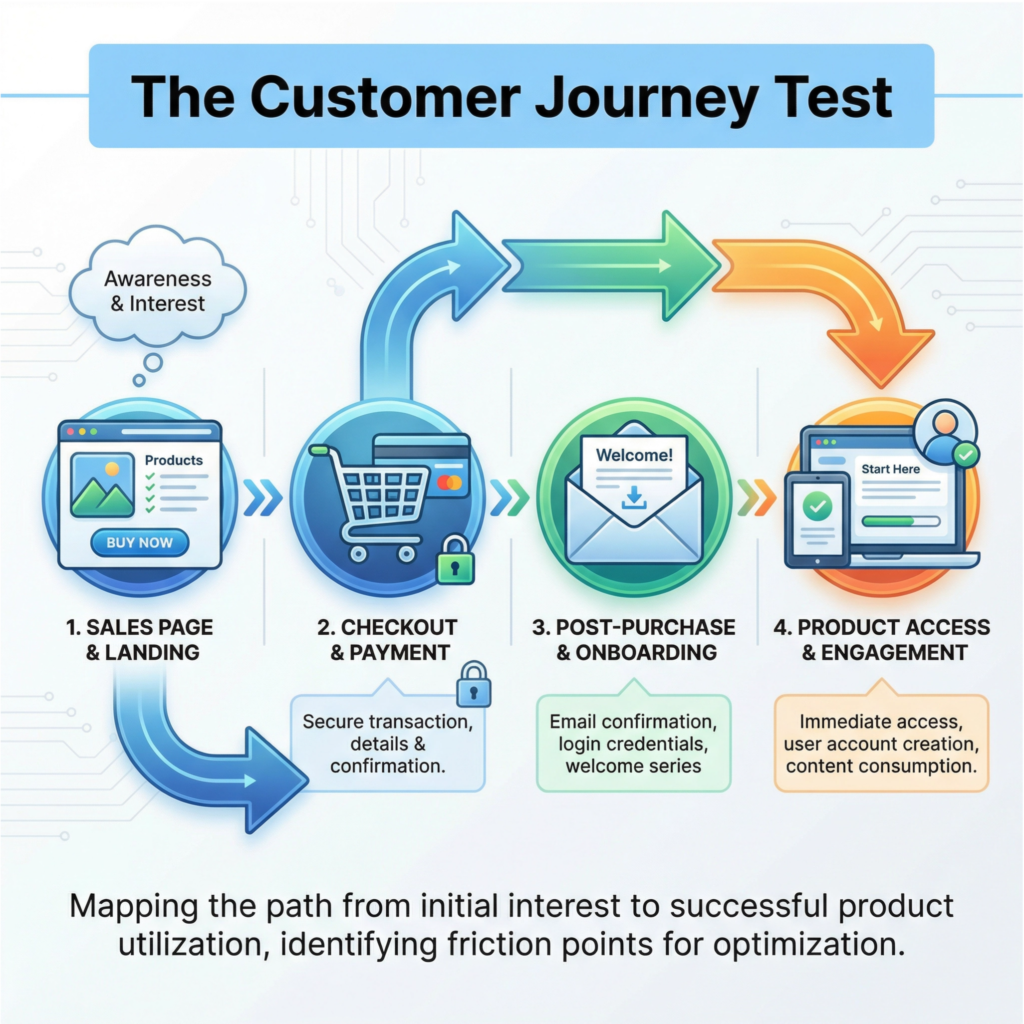
This process should feel simple and seamless.
If you get stuck or confused at any point, so will your customers.
Document every step and every feeling.
If something feels weird, write it down.
Fix every single issue you find, no matter how small. This is your final chance to make a perfect first impression.
Step6: Set the Right Price
Pricing is where most creators get stuck.
It feels personal and scary.
The biggest mistake is pricing too low. This is a critical step in your Product Launch Checklist.
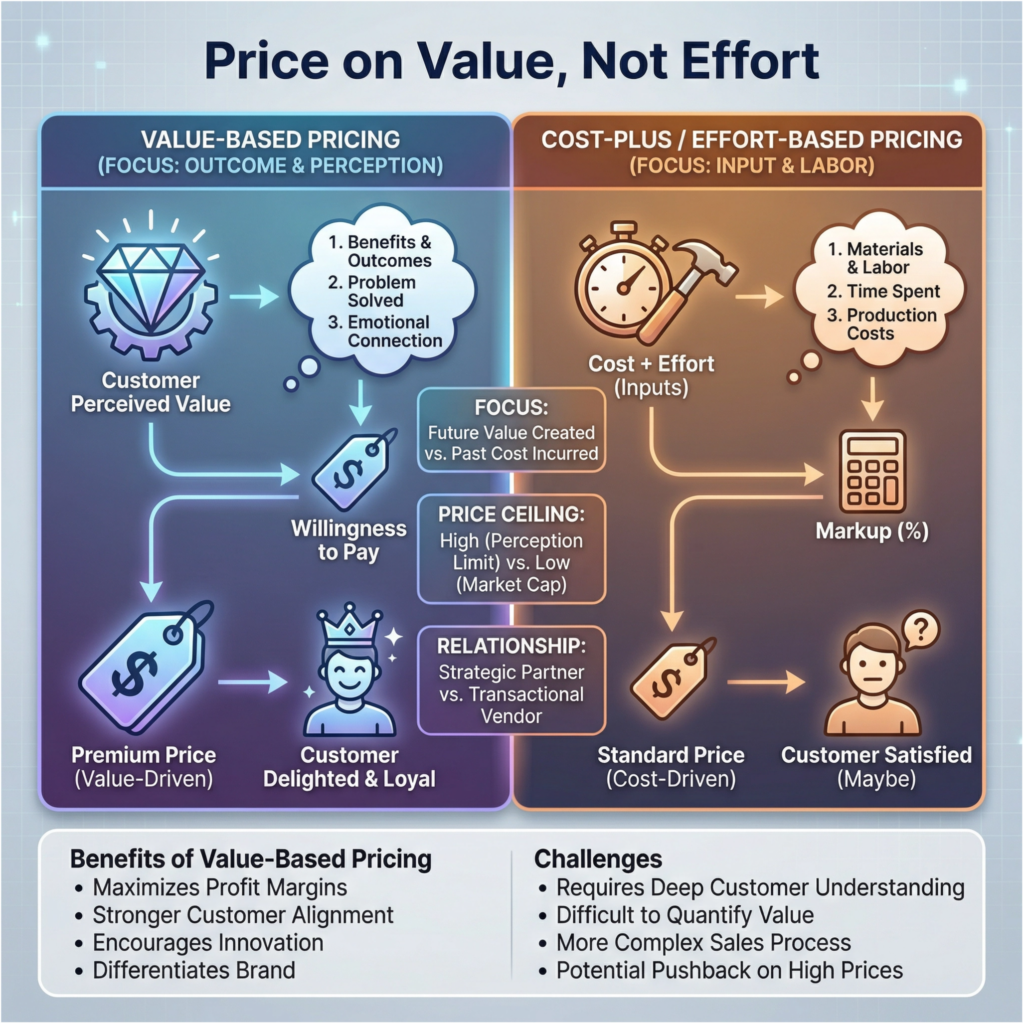
You do not price your product based on the hours you spent on it.
You price it based on the value of the result you provide.
You are not selling a PDF or a video.
You are selling a transformation.
You are selling a shortcut.
You are selling a solution to a painful problem.
Your price should reflect the value of that solution, not the time it took you to create it.

Think of it this way.
If you have a key that opens a treasure chest with $1,000 inside, what is the key worth?
It is not worth the 50 cents of metal it is made from. It is worth something close to $1,000. Your product is the key.
The result is the treasure. Price the treasure.
A one-page checklist that saves someone 10 hours of work is more valuable than a 10-hour video course that is confusing.
This part of your Product Launch Checklist is about confidence.
Have confidence in the value you deliver.
Here are three simple strategies to find the right price:
Look at the Market
Find 3-5 other products that solve a similar problem for a similar audience.
What are they charging? This gives you a realistic range.
Customers are already paying this amount for a solution.
Offer a Founder’s Price
For your first 20-50 customers, offer a special, lower price.
Be clear that this is an introductory offer in exchange for their feedback and testimonials.
This builds momentum and social proof.
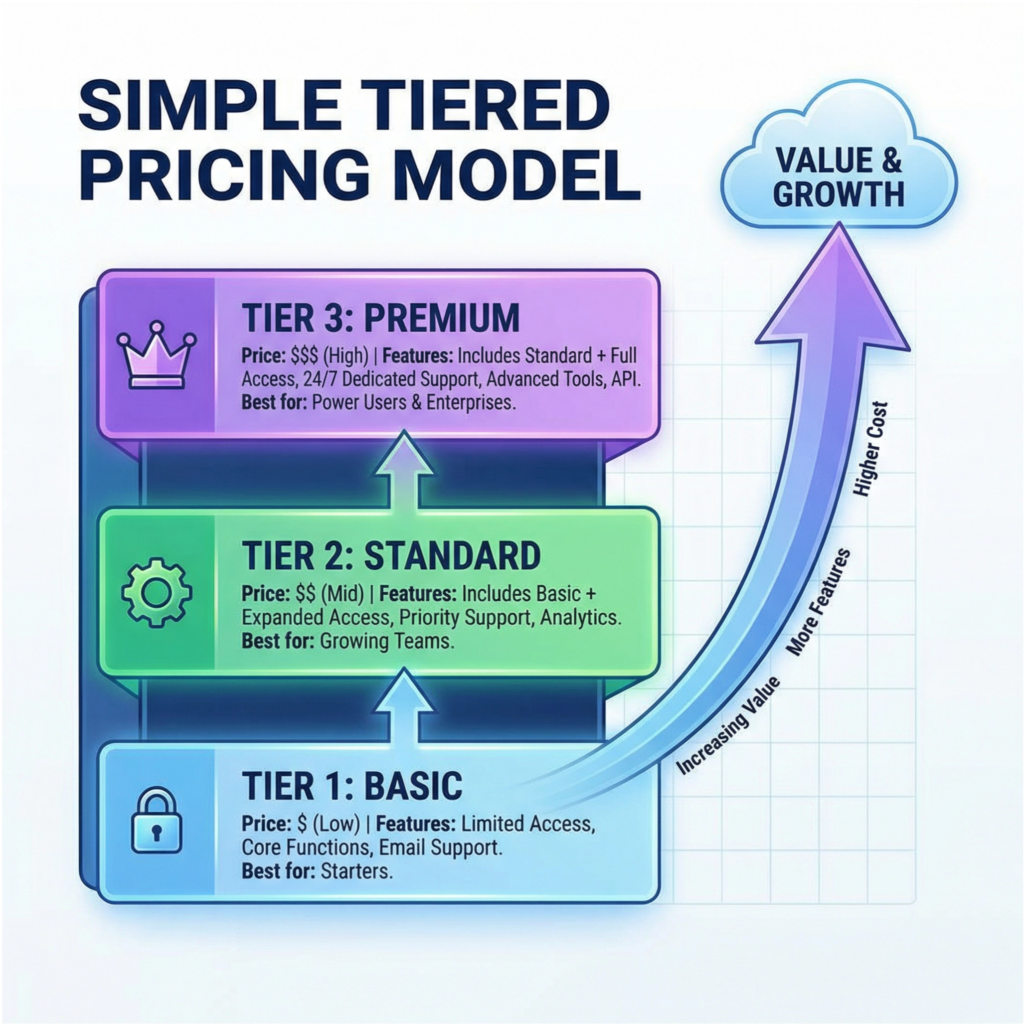
Use Tiered Pricing
Offer a few different packages.
A “Good, Better, Best” model works well.
For example: Good (the ebook), Better (ebook + workbook), Best (ebook + workbook + 1-on-1 coaching call).
Pricing is a skill that gets easier with practice.
It is always easier to lower a price than to raise it.
Start with a price that feels a little scary but fair for the value you provide.
You can always adjust it later based on customer feedback.
Step7: Create a Product Message
This is where you turn your product into a story.
Your product message is not a list of features.
It is the exciting movie trailer that makes people want to see the whole film.
This is a core part of your Product Launch Checklist.
A great product with a confusing message will not sell.
A clear, compelling message makes the sale easy.
It answers the customer’s most important question: “What’s in it for me?”
Your message connects your product to your customer’s hopes and dreams.
It shows them you understand their problem and have the solution they have been looking for.
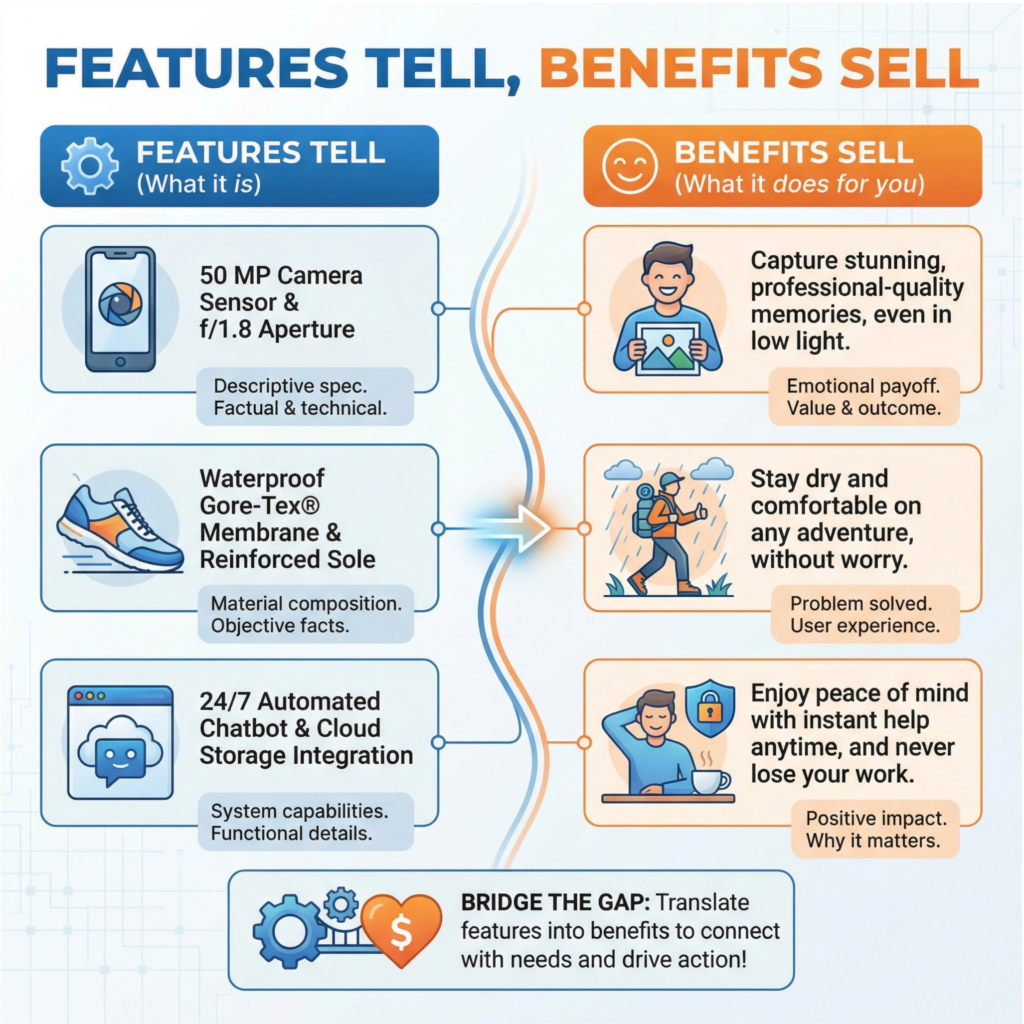
People do not buy features; they buy benefits.
They buy a better version of themselves.
A feature is what your product is.
A benefit is what your product does for the customer.
For example, a feature is “a 50-page PDF guide.”
A benefit is “a step-by-step plan to organize your finances in one weekend.”
Always talk about the benefit.
Use the exact words your target audience used when you researched them.
When they see their own language, they feel seen and understood.
This is the secret to a message that resonates.
This step in your Product Launch Checklist turns your marketing from pushy to helpful.
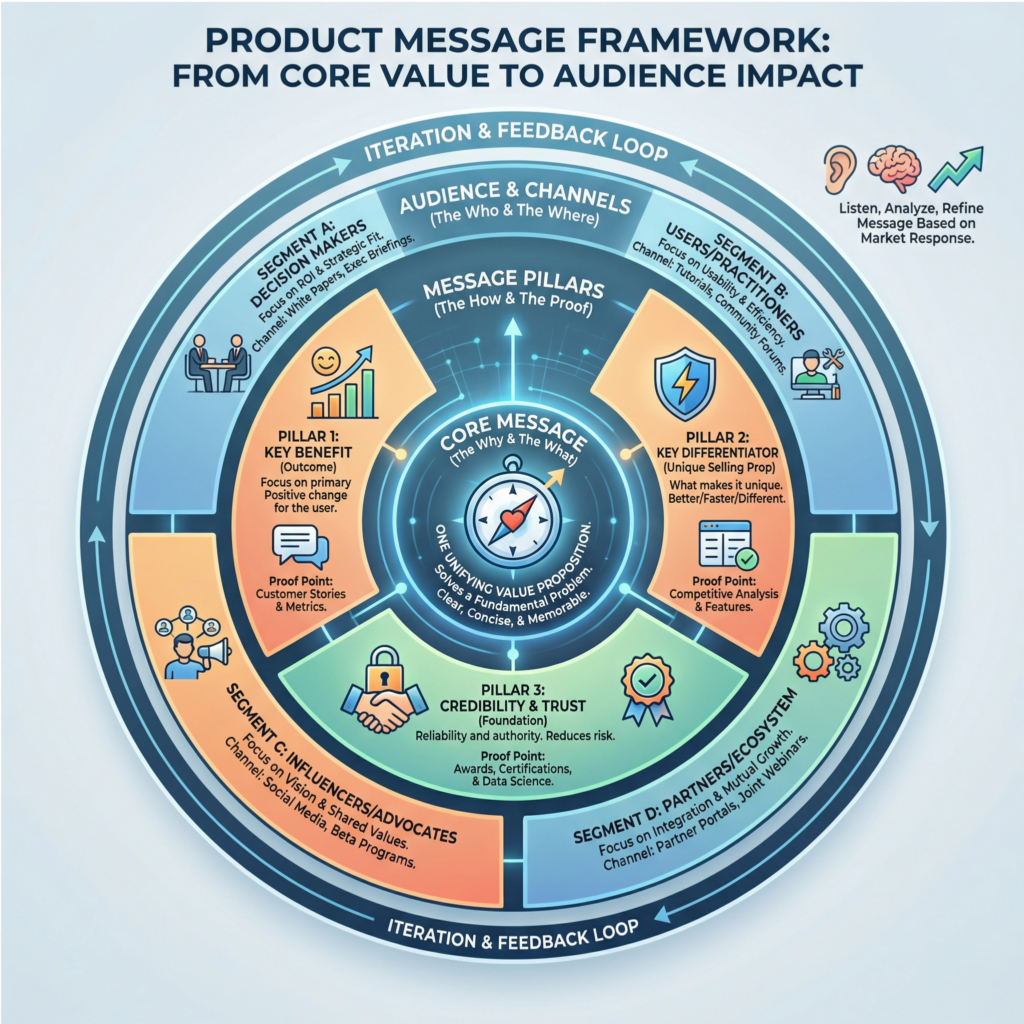
Here is a simple framework for your core message:
My product helps [WHO] to [DO WHAT] so they can [ACHIEVE WHAT].
- WHO: Your specific target audience.
- DO WHAT: The main action or solution your product provides.
- ACHIEVE WHAT: The ultimate transformation or result.
For example: “My product helps busy freelancers (WHO) to create a simple financial system (DO WHAT) so they can feel in control of their money and stop worrying about taxes (ACHIEVE WHAT).”
This one sentence becomes your guide.
You can use it in your emails, on your sales page, and in your social media posts.
It keeps your messaging consistent and powerful.
It is the heart of your entire launch.
Step8: Build a Landing Page
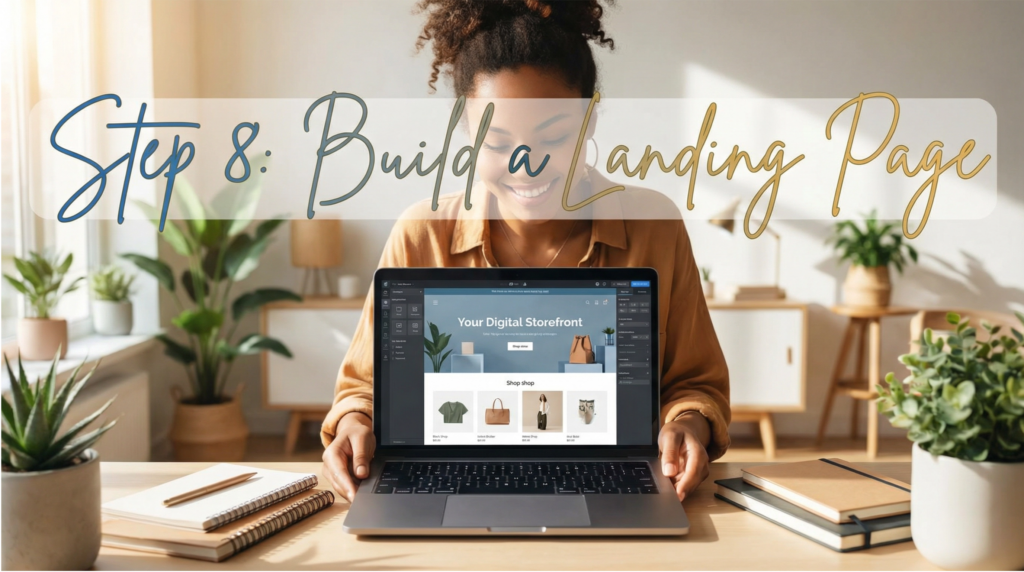
Your landing page is your digital storefront.
It is the single most important page in your entire launch. This is a non-negotiable step in your Product Launch Checklist.
While your website is a whole store with many aisles, a landing page is a special pop-up shop with only one item for sale.
Its only job is to sell your product. It has no distractions.
There are no links to your blog, your social media, or other products.
Every word and every image on this page works together to guide the visitor toward one single action: clicking the “buy” button.
A good landing page continues the story you started in your product message.
It speaks directly to your target audience about their specific problem.
It shows empathy.
Then, it presents your product as the perfect solution.
A landing page is not the place to be mysterious.
It must be clear, direct, and persuasive. This is where you use your product message, your benefit statements, and any testimonials you have.
This step in your Product Launch Checklist is where you turn interest into income.
It is your 24/7 salesperson.
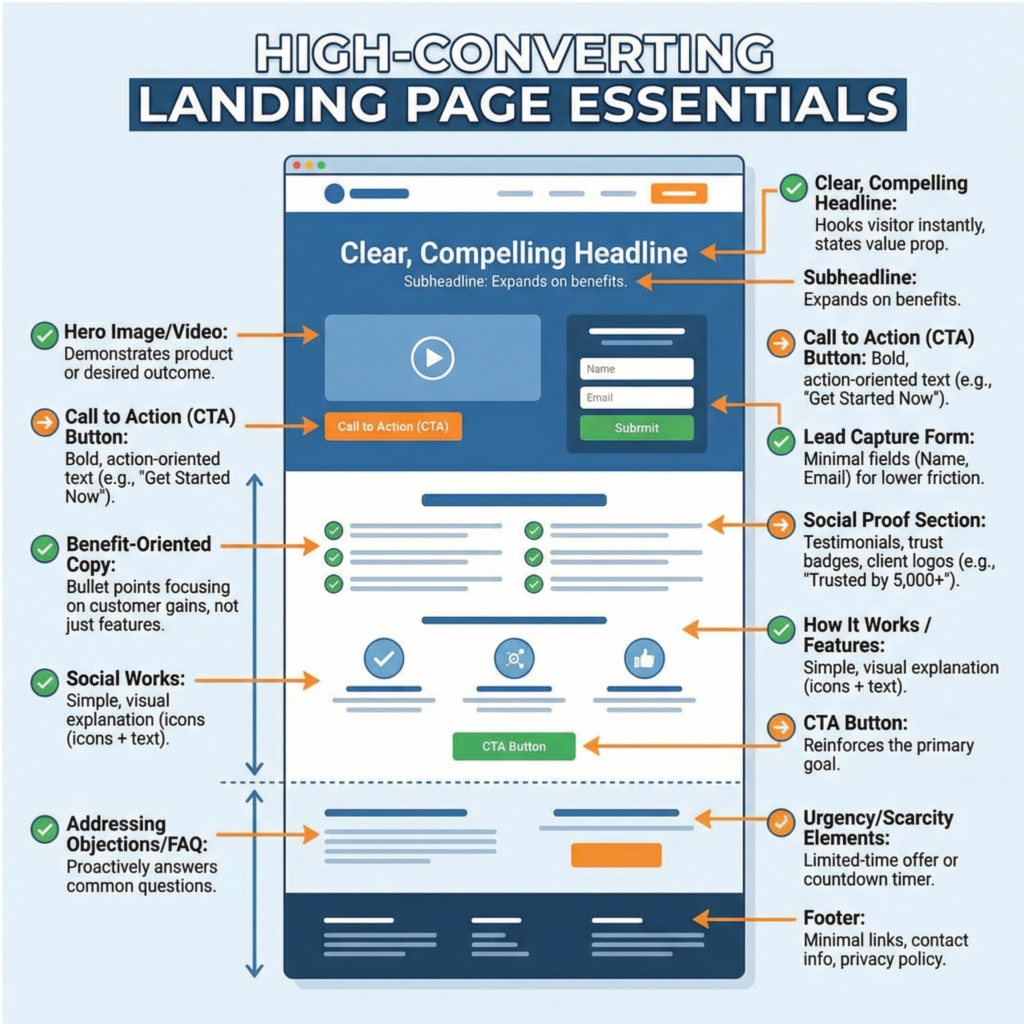
Here are the essential elements of a simple landing page:
- A Compelling Headline: This is the first thing people read. It should grab their attention and state the main benefit.
- A Clear Sub-headline: This expands on the headline and explains who the product is for.
- Benefit-Driven Bullet Points: List 3-5 key benefits. How will this product make their life better?
- Social Proof: Include testimonials, case studies, or positive feedback. This builds trust.
- A Clear Call to Action (CTA): A big, bold button that tells them exactly what to do (e.g., “Buy Now,” “Get Instant Access”).
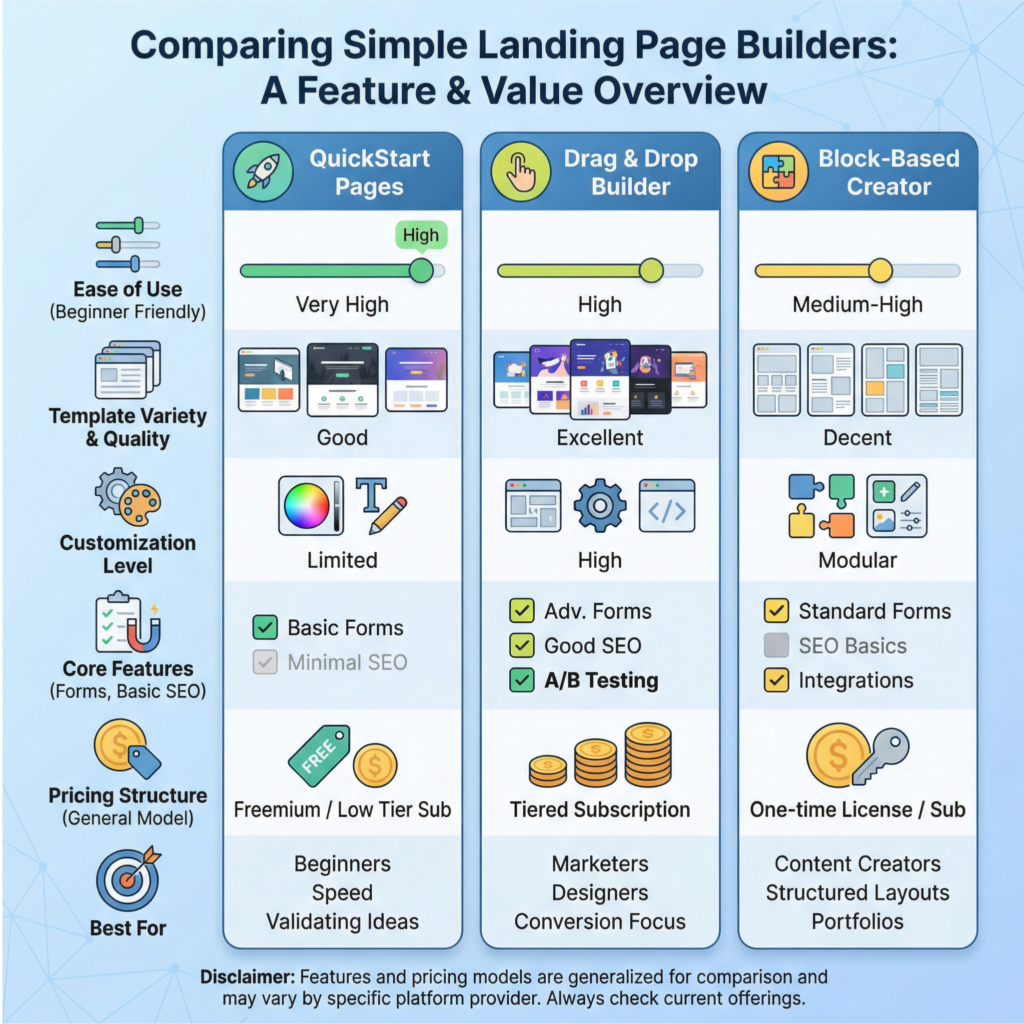
You do not need to be a web designer to create a beautiful landing page.
Tools like Carrd, Gumroad, and ConvertKit offer simple, drag-and-drop templates that look professional.
Focus on clarity, not complexity.
Step9: Prepare Visual Content
Think of your product as a superhero.
Your visual content is its awesome costume.
It’s the first thing people see.
It makes them stop and pay attention.
A great product with bad visuals is like a superhero in a boring outfit.
No one gets excited.
Your visuals tell a story before anyone reads a single word.
They build trust.
They make your product look professional and valuable.
This is a critical step in your Product Launch Checklist.
Don’t skip it.
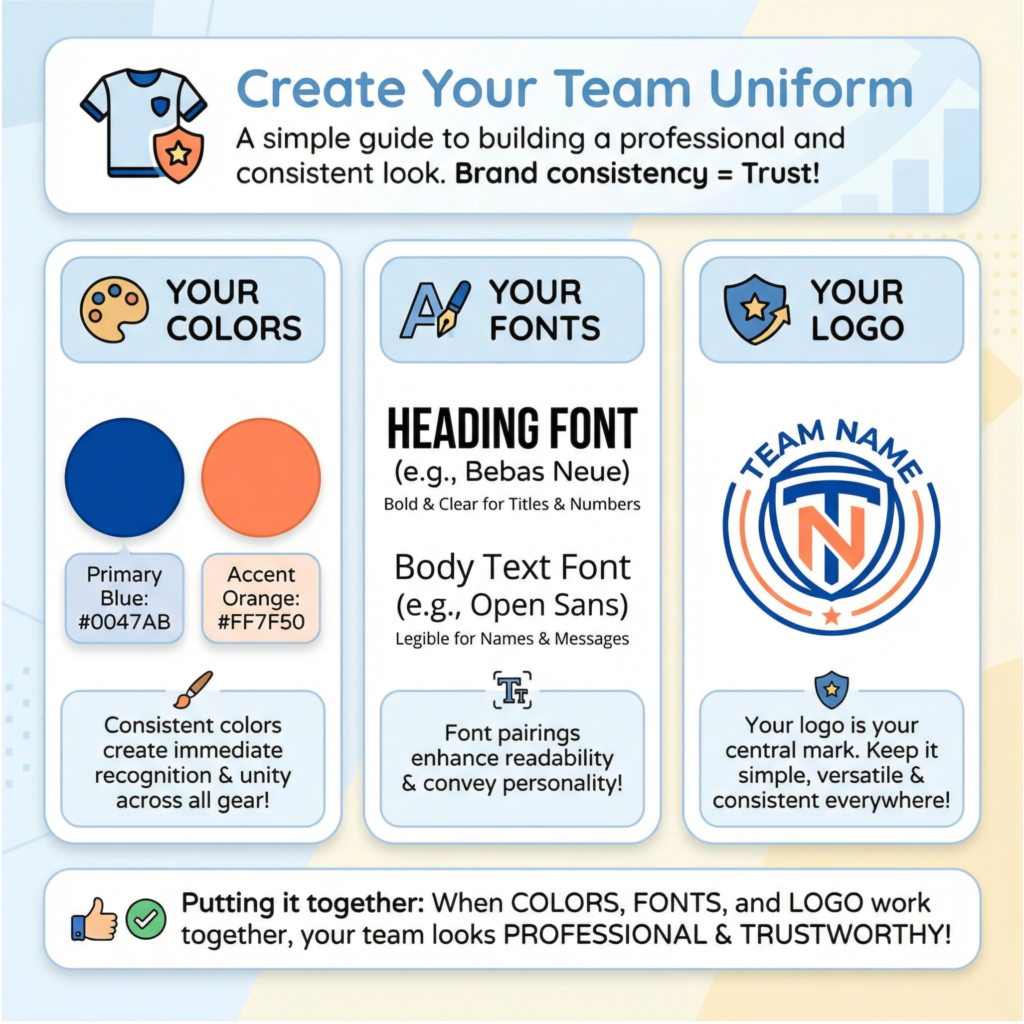
Create Your Team Uniform
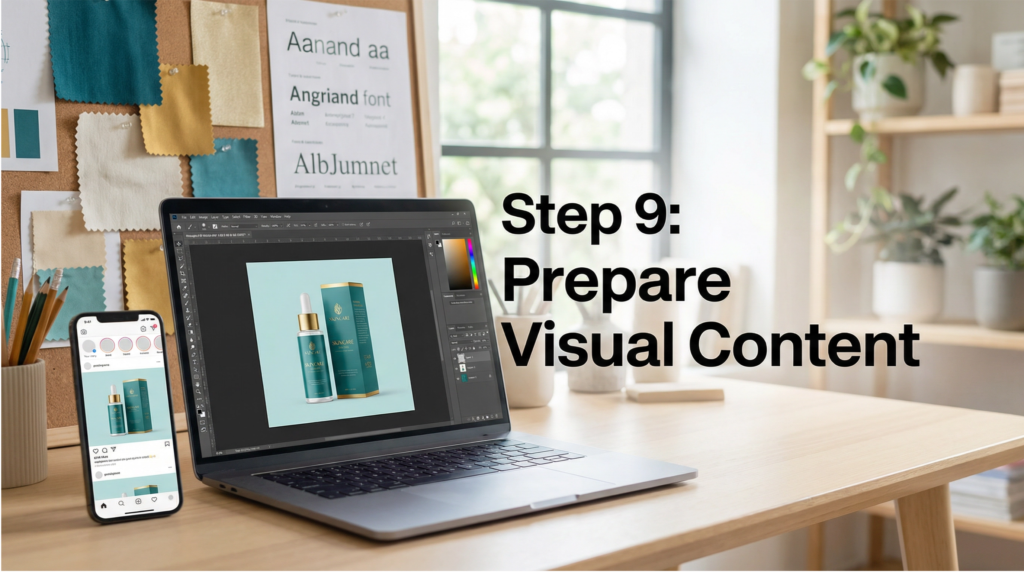
First, you need a simple brand style.
Think of it like a sports team’s uniform.
It makes everything look like it belongs together.
You don’t need to be a designer.
Keep it simple.
- Choose 2-3 Colors: Pick two main colors and one accent color. Use a free tool like Coolors to find a palette you like.
- Choose 1-2 Fonts: Pick one font for headings and one for body text. Google Fonts has hundreds of free, professional options.
That’s it. Use these colors and fonts on everything.
Your website, your social media posts, your product itself.
This consistency makes you look professional instantly.
Show Off Your Product
Next, you need to show your product in the best possible light.
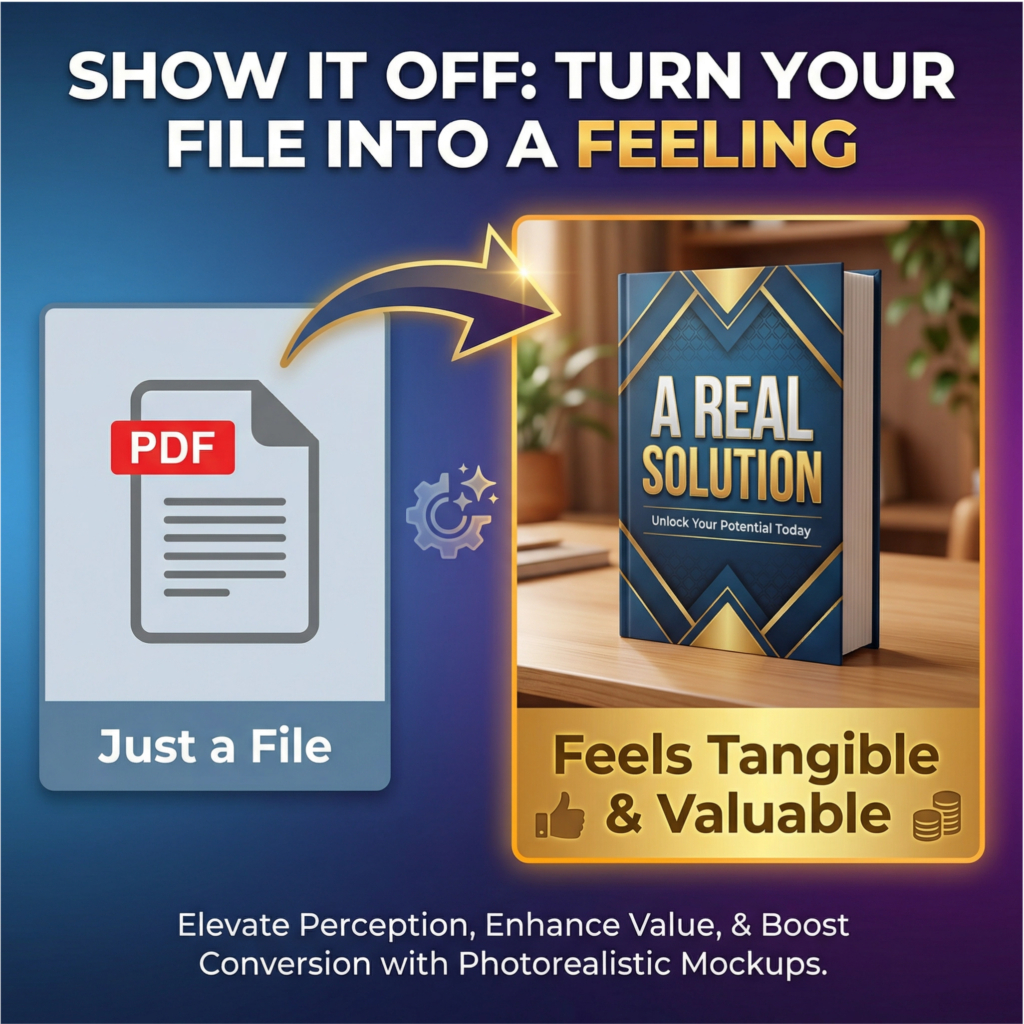
Never just show a boring icon of a PDF or a video file.
You need to create a product mockup.
A mockup is an image that shows your digital product in a real-world setting.
It turns your ebook into a beautiful 3D book.
It puts your template onto a laptop screen.
This makes your product feel tangible and real.
It helps people imagine themselves using it.
You can easily create these with tools like Canva or Placeit.
You just drag your cover image onto a template.
It’s a small step that makes a huge difference in how valuable your product appears.
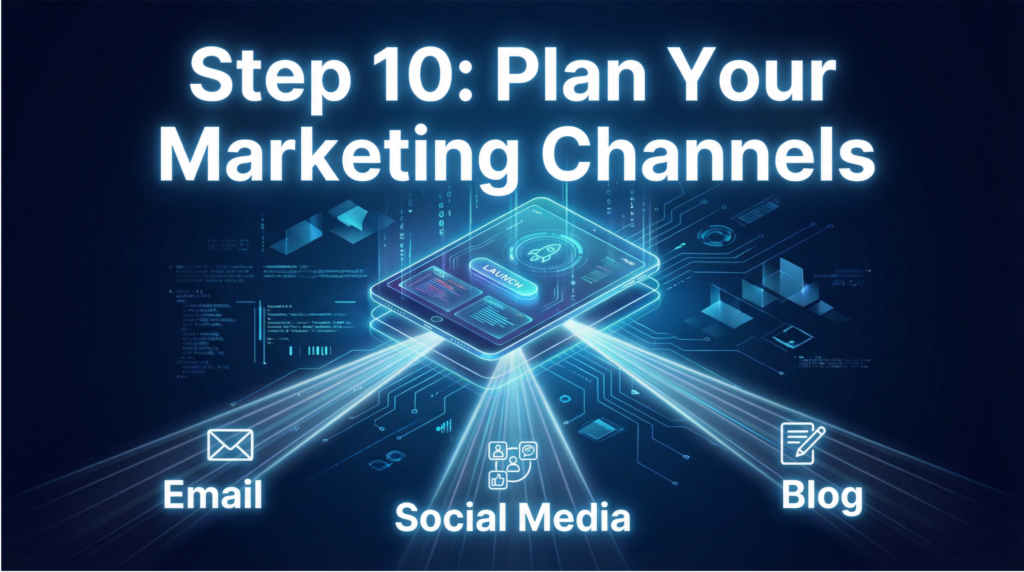
Step10: Plan Your Marketing Channels
Imagine you baked the most delicious cake in the world.
But your bakery is on a hidden street.
No one knows how to find it.
Your marketing channels are the roads that lead hungry customers to your cake.
This is a vital step in your Product Launch Checklist.
You don’t need to be everywhere.
You just need to be where your customers are.
The biggest mistake is trying to post on every social media platform.
You’ll get overwhelmed and burn out.
Instead, be strategic. Be a smart street vendor.
Where does a crowd gather that would love your lemonade?
The Three Main Roads
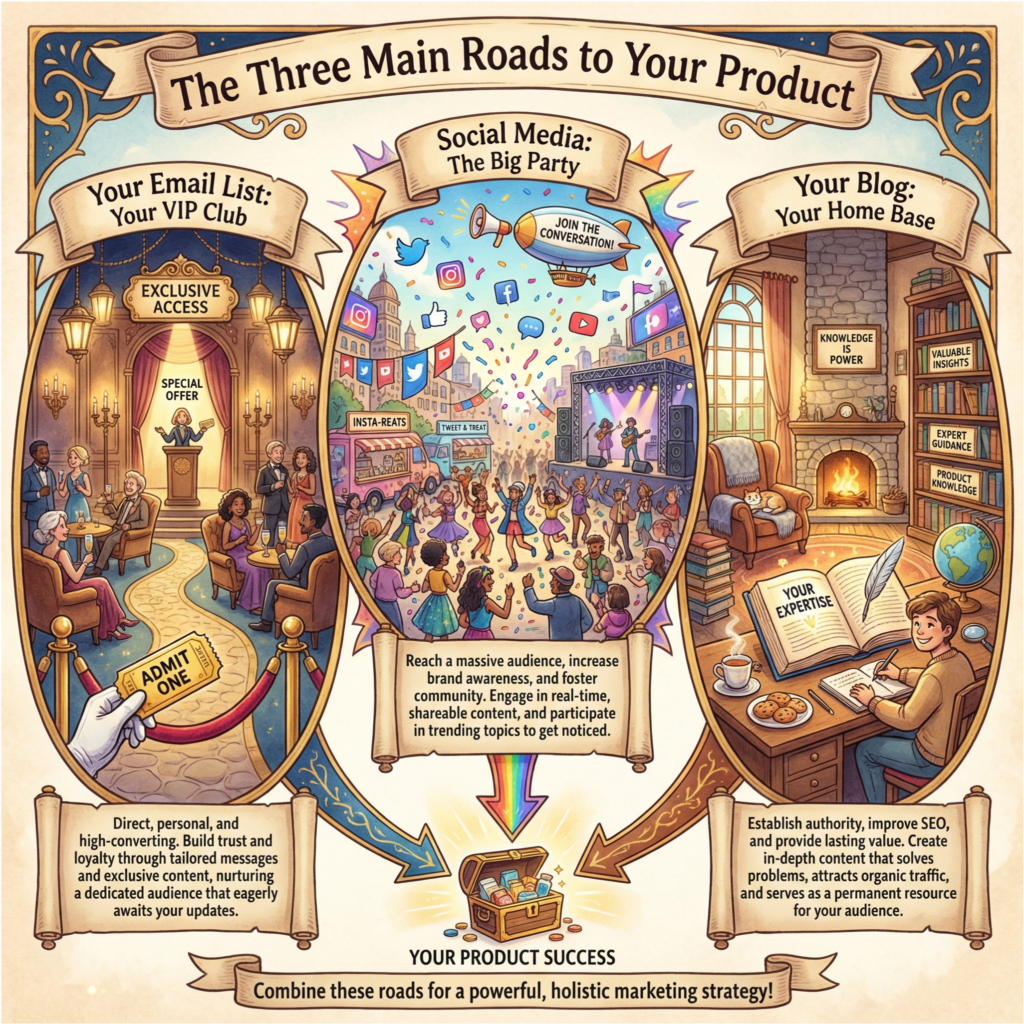
For most digital products, there are three main roads to your customers.
Think about which one your ideal customer uses the most.
Your Email List (The VIP Club)
This is the most important channel.
You own it. It’s a direct line to your biggest fans.
An email list is like a private club where members actually want to hear from you.
Social Media (The Big Party)
This is where everyone is hanging out.
It can be loud and crowded.
You can find new people here.
But you don’t own your followers.
The platform can change the rules at any time.
Your Blog or Website (Your Home Base)
This is your own space on the internet.
People come here to learn from you.
It’s great for building trust and showing your expertise.
It’s slower, but it builds a strong foundation.
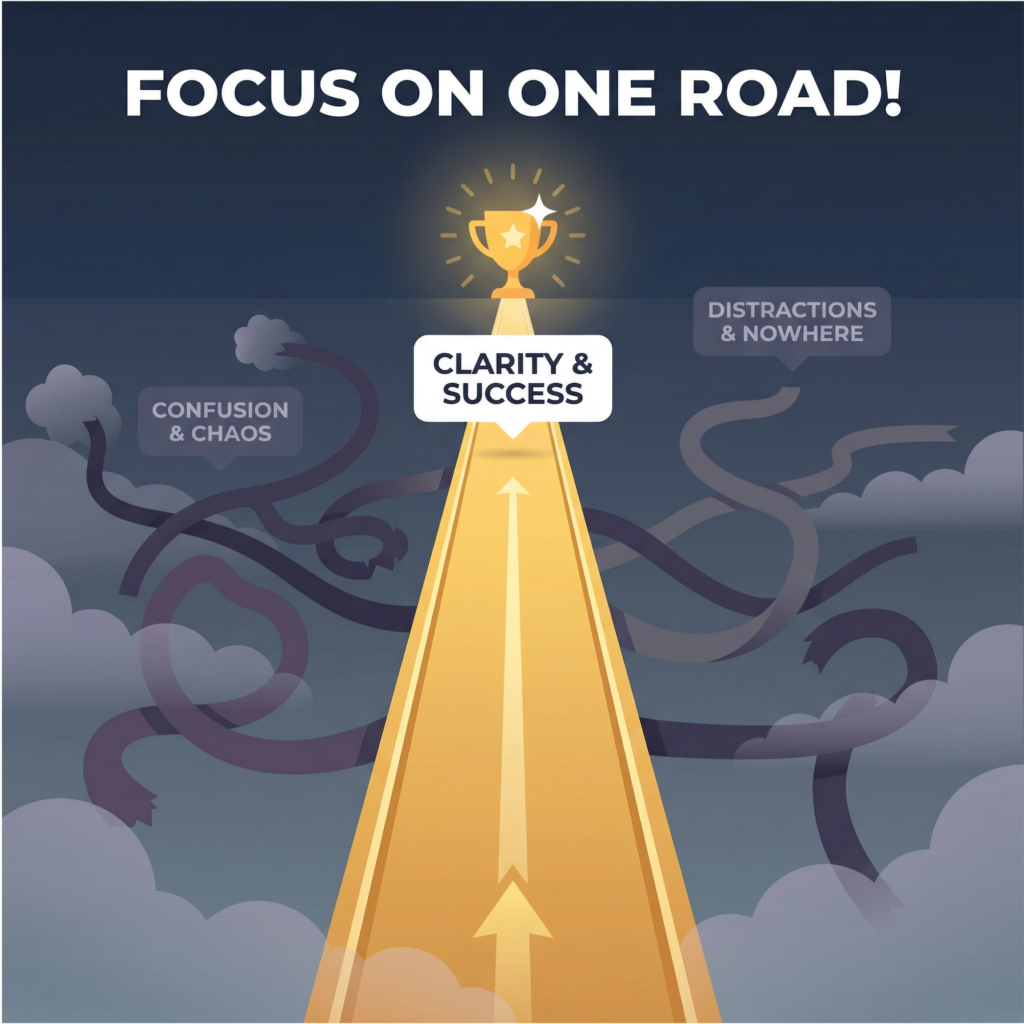
Pick One and Be Awesome
Here is the secret. You don’t need to master all three.
For your first launch, just pick one.
The one where your ideal customer spends the most time.
If they love Instagram, be amazing on Instagram.
If they read a lot of blogs, be amazing at blogging.
Focus all your energy on that one channel.
Learn how it works. Post consistently. Talk to people. Build a small community there.
Once you’ve mastered one, you can add another.
But start with one.
Step11: Build an Email List
Think of your email list as your business’s most valuable asset.
It is the core of a successful launch and a non-negotiable part of your Product Launch Checklist.
While social media is like renting space on someone else’s land, your email list is property you own.
No algorithm change can take away your ability to speak directly to people who have asked to hear from you.
It’s a stable, reliable connection to your most interested fans and future customers.

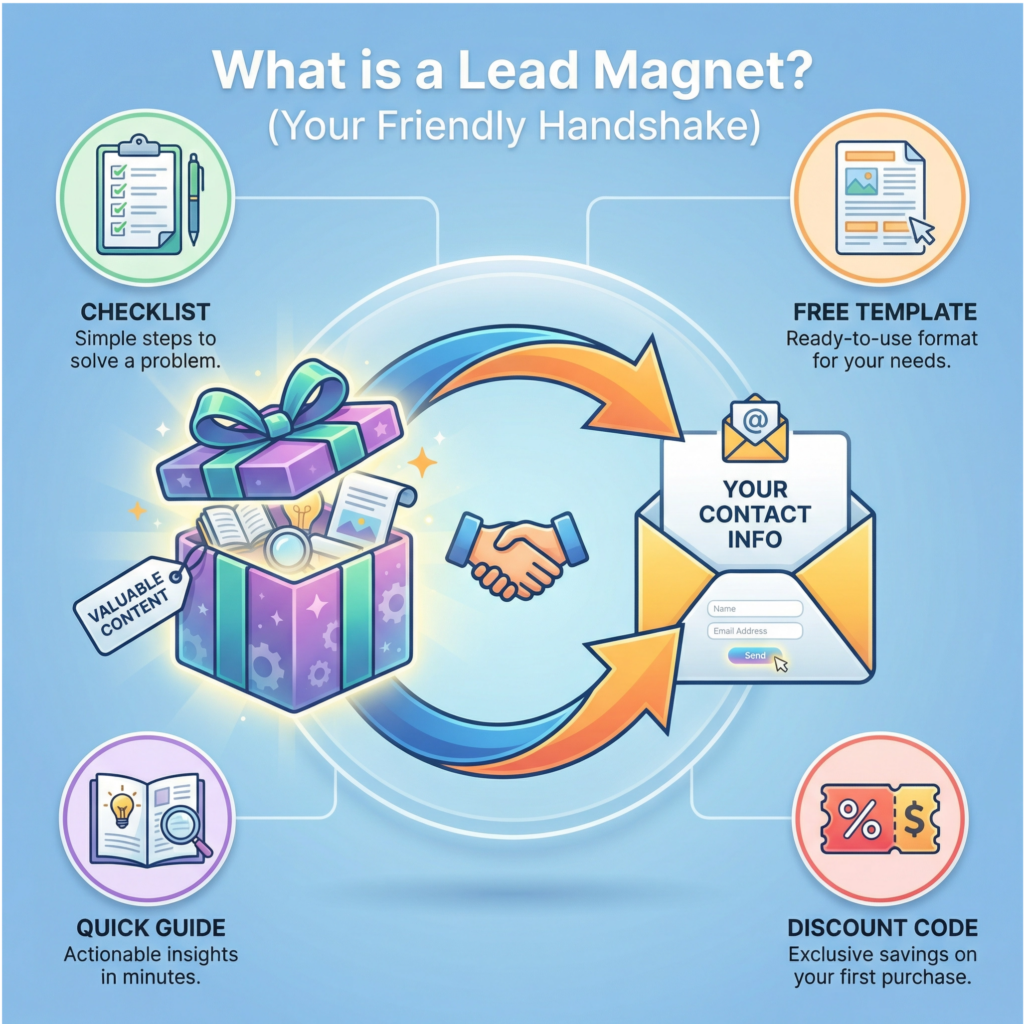
To build this list, you need to offer a “lead magnet.”
This is a free, valuable gift you give in exchange for an email address.
It’s a friendly handshake that starts a relationship.
The best lead magnets solve a small, specific problem for your ideal customer, giving them a quick win and proving your expertise.
It doesn’t need to be complex. Simplicity is key.
Here are four simple lead magnet ideas:
- A Simple Checklist: A one-page PDF that guides them through a process.
- A Quick Guide: A short, focused ebook that teaches one specific skill.
- A Free Template: A pre-made spreadsheet or design template that saves them hours.
- An Exclusive Discount: A special coupon code for your upcoming product.
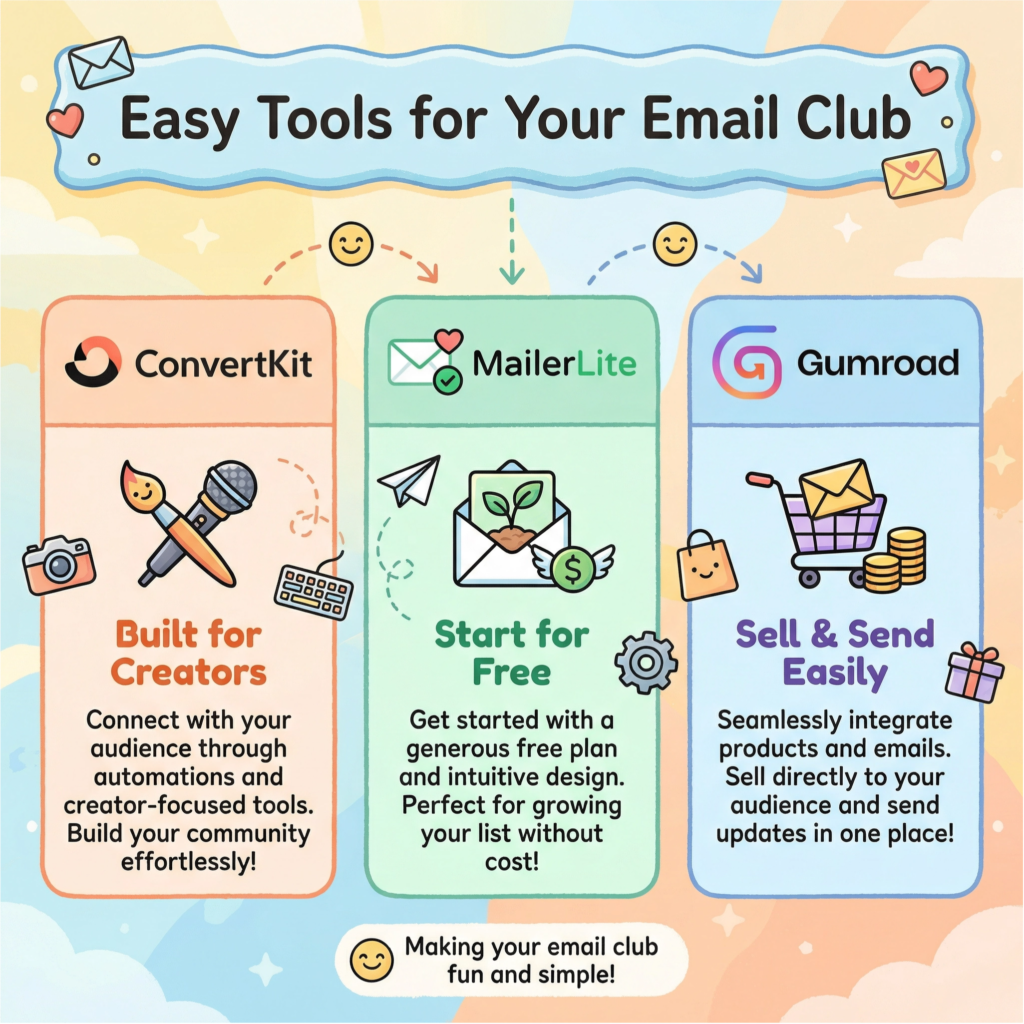
To manage your list, you need an email service provider.
Don’t be intimidated; modern tools are incredibly user-friendly.
ConvertKit is designed specifically for creators and offers a robust free plan.
MailerLite is another fantastic option, known for its simplicity and generous free tier.
If you plan to sell on Gumroad, it includes email list features automatically, making it an all-in-one solution.
Your goal is to make it as easy as possible for people to join your community.
Every email you collect is a vote of confidence in your work.
It’s a signal that someone is interested in the problem you solve.
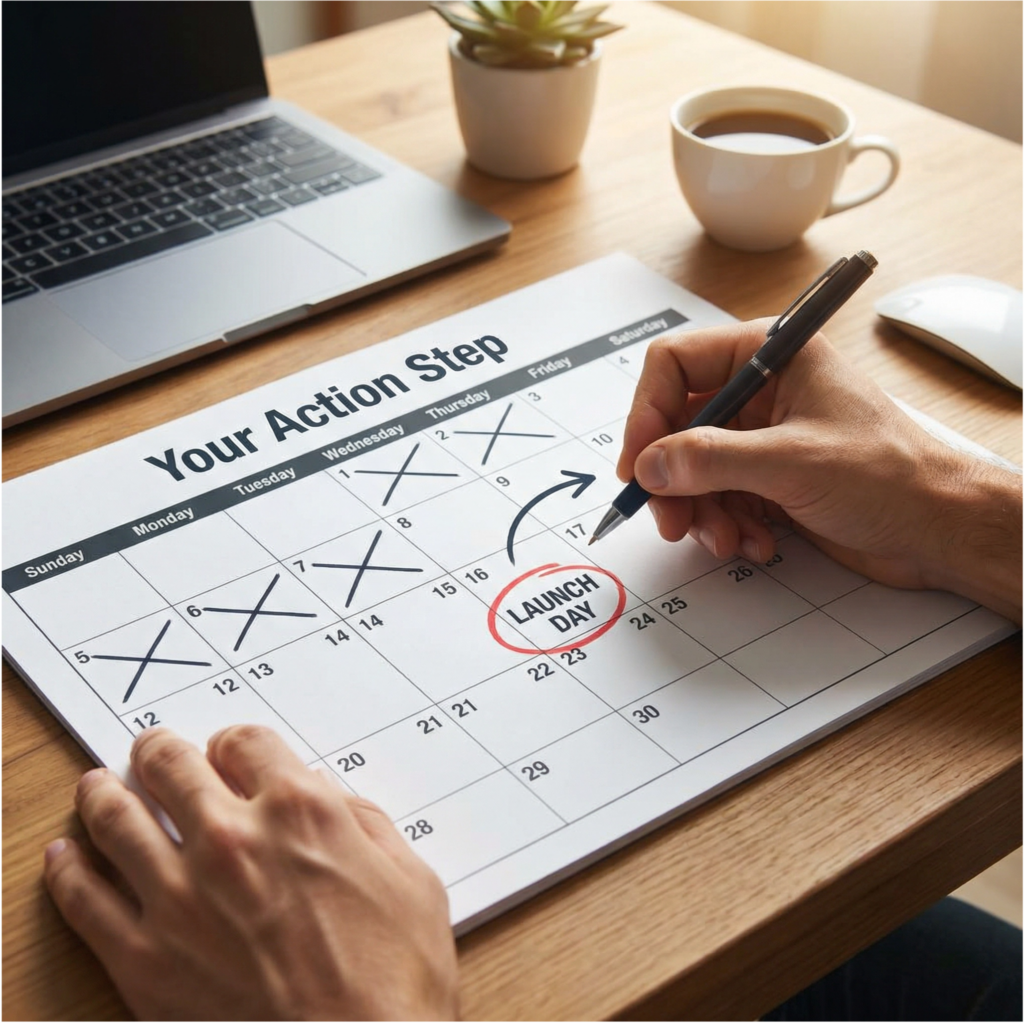
Step12: Create a Launch Timeline
Imagine trying to build a house without a blueprint.
You would waste time, miss steps, and feel completely lost.
A launch timeline is the blueprint for your product launch.
It is one of the most important parts of your Product Launch Checklist.
It turns a big, scary goal into small, manageable steps.
It is your road map from today to a successful launch day.
This map shows you exactly what to do and when to do it.
There are no surprises and no last-minute panic.
You are in control.
Your timeline has three main parts.
Think of it like a story with a beginning, a middle, and an end.
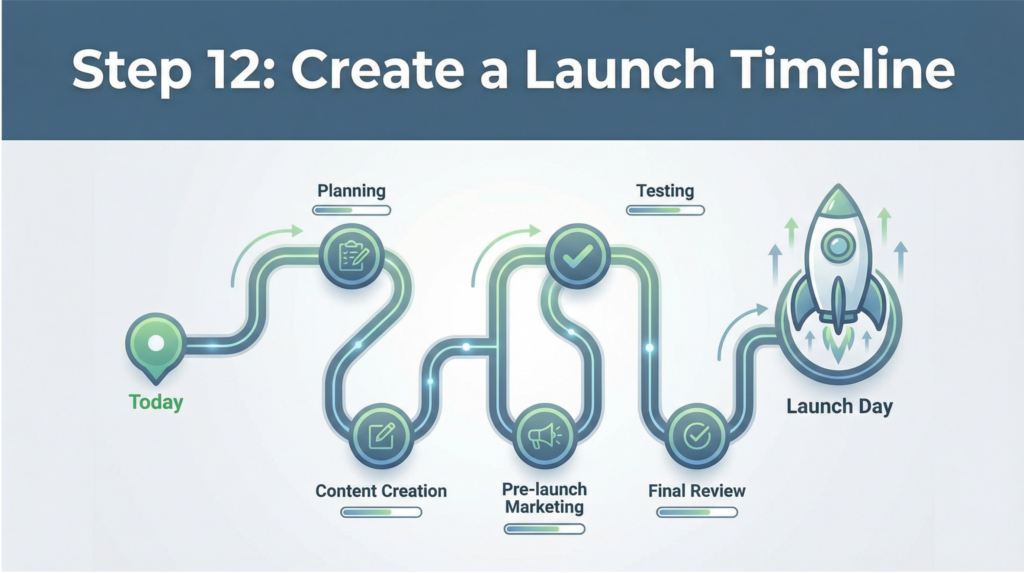
Part 1: The Pre-Launch (The Beginning)
This is the time you spend preparing for the big day.
It is usually the longest phase, lasting anywhere from four to eight weeks.
During this time, you will be building excitement.
You will share sneak peeks of your product.
You will grow your email list.
You will create all your marketing content, like emails and social media posts.
This is when you build the runway for your rocket ship to take off.
Part 2: The Launch (The Middle)
This is the big day!
It is when you officially open the doors and let people buy your product.
Your launch period might last for a few days or a week.
During this time, all your focus is on marketing and customer support.
You are answering questions, celebrating new customers, and making sure everything runs smoothly.
All your pre-launch work leads up to this moment.
It is when your rocket ship finally takes flight.
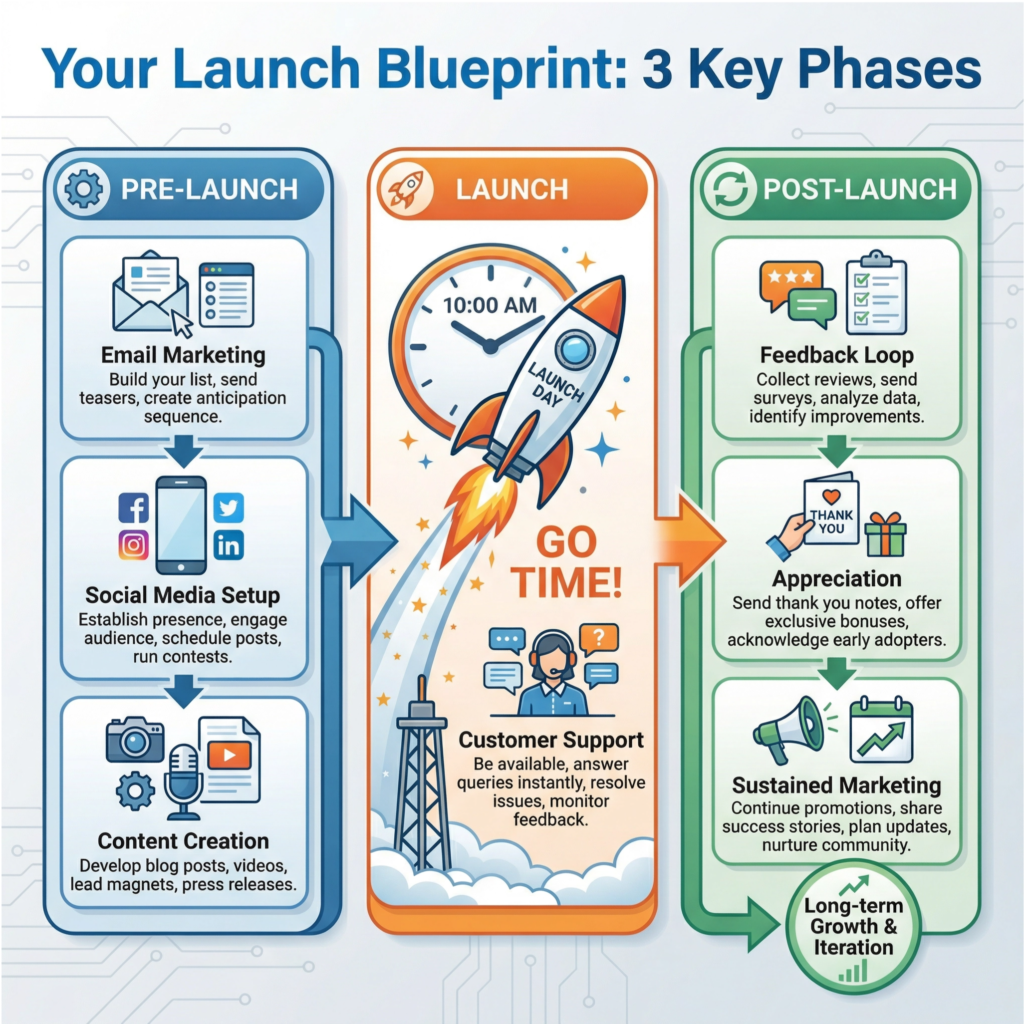
Part 3: The Post-Launch (The End)
Your work is not done when the launch ends.
This final phase is about following up.
You will thank your new customers.
You will ask for feedback to make your product even better.
You will continue to market your product to those who did not buy right away.
This phase helps you build long-term success. It ensures your rocket ship continues to soar.
Step13: Announce the Upcoming Launch
Think of your launch announcement like a movie trailer.
It gives people a sneak peek of the amazing thing you have created.
It builds excitement and makes them want to be first in line when the doors open.
Announcing your launch is a critical step in your Product Launch Checklist.
You can’t just show up on launch day and expect a crowd.
You have to send out the invitations and let people know the party is about to start.

Your announcement doesn’t need to be complicated.
It just needs to be clear.
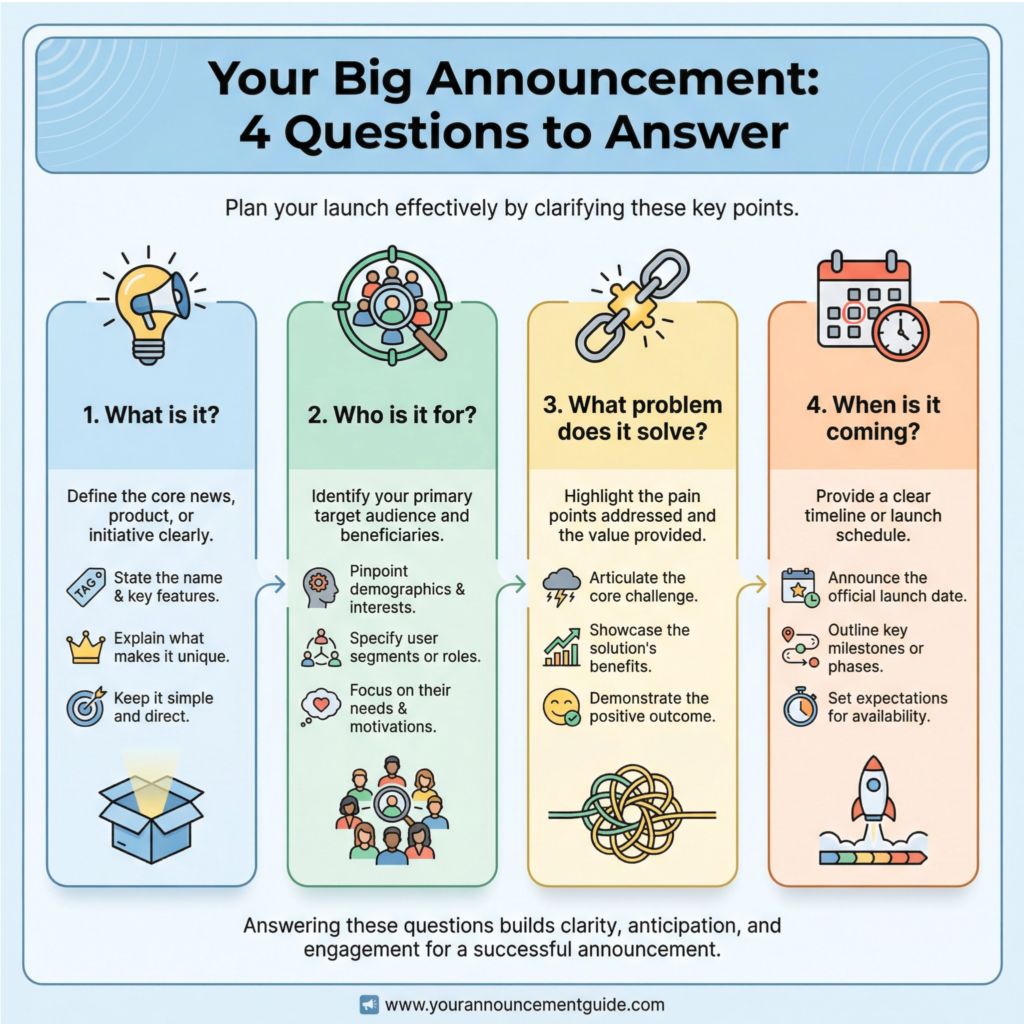
Your goal is to answer four simple questions for your audience:
- What is it? Briefly describe your new product.
- Who is it for? Tell them exactly who will benefit from it.
- What problem does it solve? Explain the transformation your product provides.
- When is it coming? Give them a specific launch date.
This is your first chance to tell the story of your product.
Don’t just list features.
Talk about the benefits.
How will it make someone’s life better, easier, or more fun?
People buy transformations, not just things.
Make them feel the excitement you feel.
Where should you announce your launch?
You should shout it from the rooftops everywhere your ideal customers hang out.
Start with your most valuable channel: your email list. These are your biggest fans.
Tell them first.
Then, share the news on all your social media channels.
Write a blog post that goes into more detail.
The more places you announce, the more people will hear about your launch.
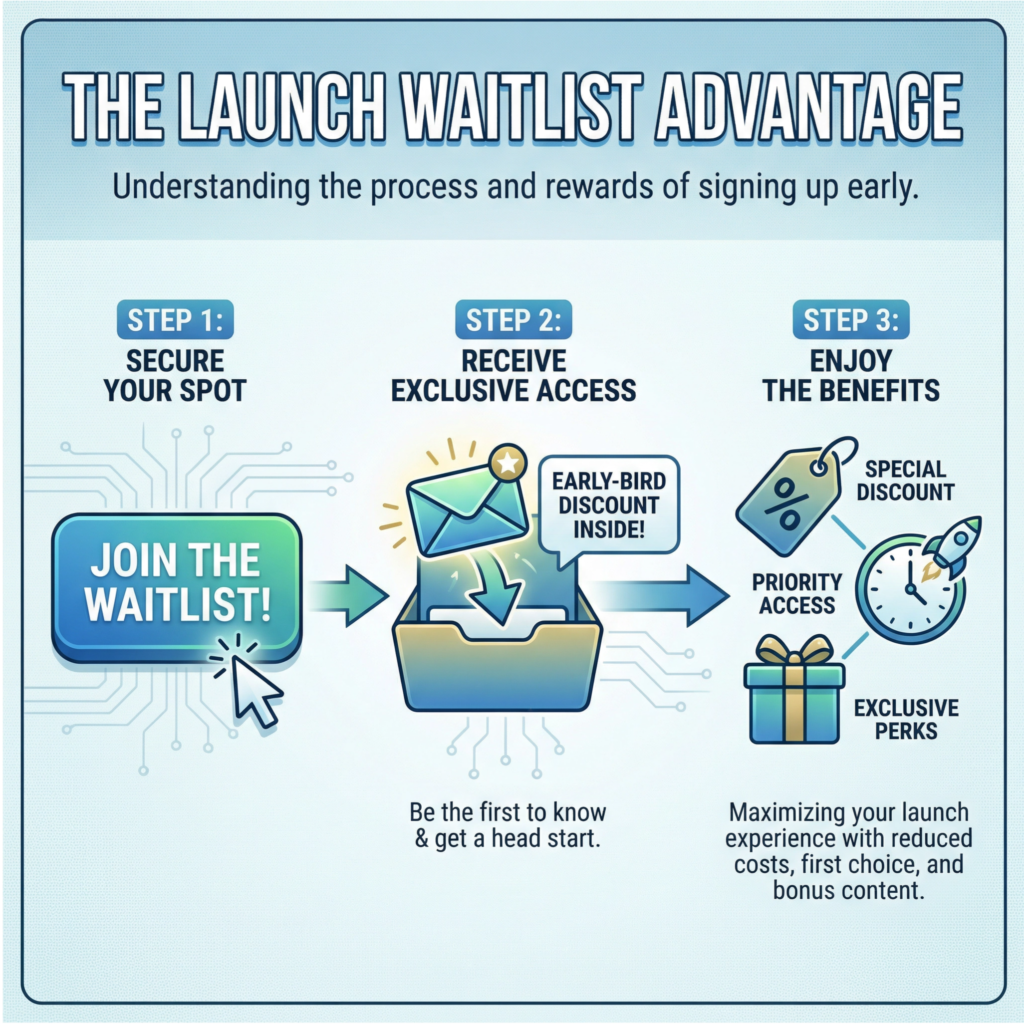
Create a simple “waitlist” for your launch.
This is just a special email list for people who want to be notified the second your product goes live.
You can even offer them a special early-bird discount for signing up.
This is a powerful way to measure interest and build a list of eager buyers before you even launch.
Step14: Double-Check Everything
Imagine a pilot before takeoff.
They go through a detailed pre-flight checklist every single time.
They check the engines, the controls, and every important system.
Why? Because a small oversight on the ground can lead to big problems in the air.
This is the final, most critical step in your Product Launch Checklist.
You are the pilot of your launch.
It is time for your final pre-flight check.
You must double-check everything to ensure a smooth, successful journey for your customers.

On launch day, things move fast.
You will be busy answering questions and celebrating sales.
The last thing you want is a technical glitch or a broken link ruining the experience.
A single mistake can cost you sales and damage the trust you have worked so hard to build.
Taking the time to review every detail now will save you from stress and panic later.
This is your chance to fix problems before your customers find them.
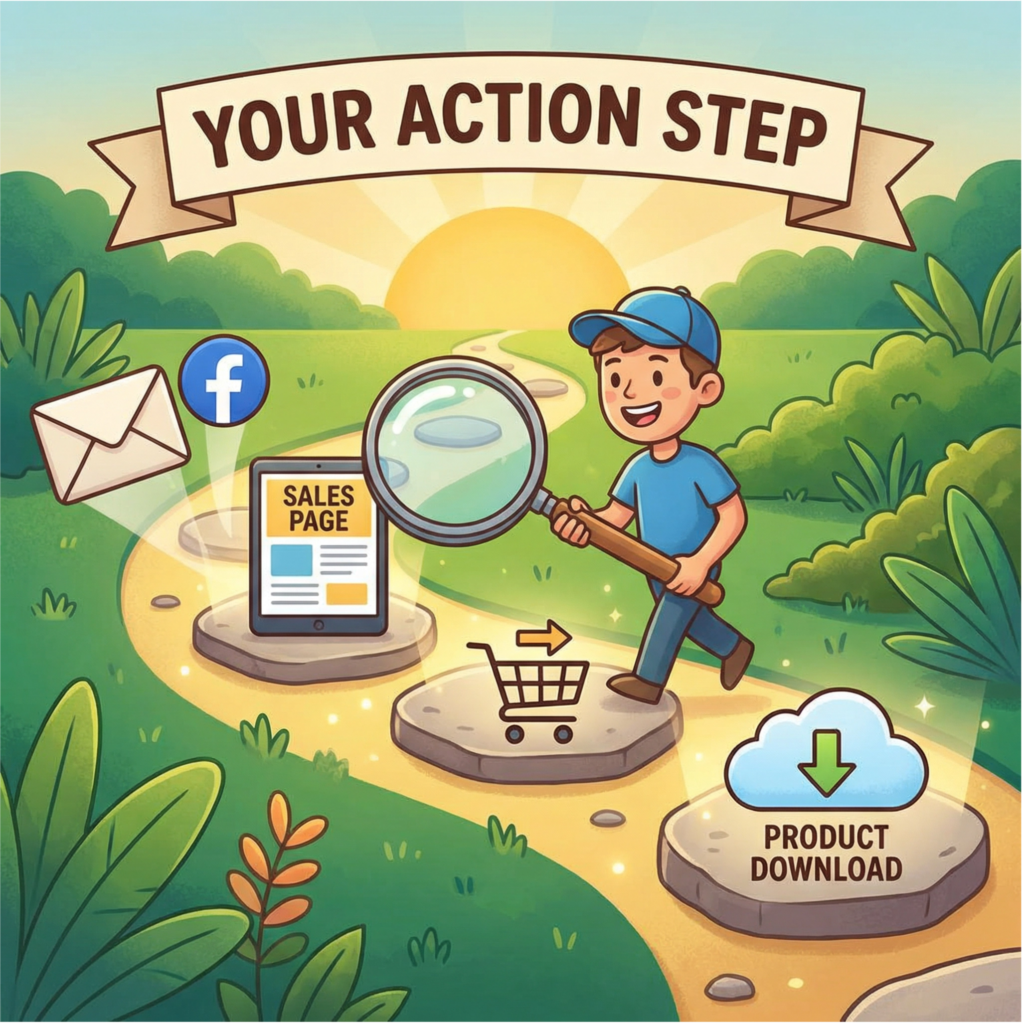
So, what should you check?
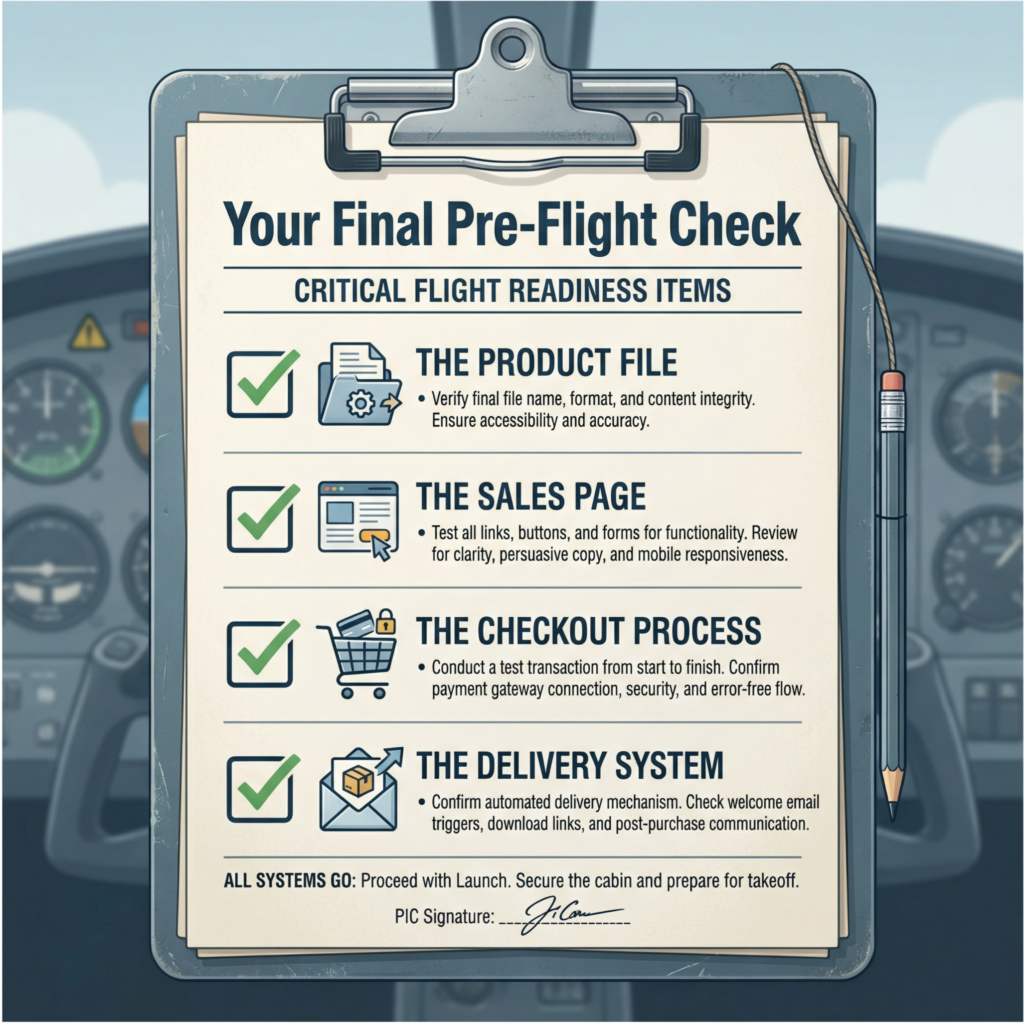
Here is a simple but powerful final checklist:
The Product File
Download your product one last time.
Is it the correct version?
Are all the files included?
Does it open correctly?
The Sales Page
Read every single word.
Check for typos or grammar mistakes.
Click every link to make sure it goes to the right place.
The Checkout Process
This is the most important test.
Go through the entire buying process yourself.
Use a real payment method or your payment processor’s test mode.
Does the buy button work?
Is the price correct?
Does the payment go through?
The Delivery System
After you buy the product, what happens?
Do you get an email with the download link right away?
Does the link work?
Is the welcome email friendly and clear?
Step15: Officially Launch the Product
This is the moment.
All your planning, creating, and testing has led to this day.
It is time to officially launch your product.
Think of it like the grand opening of a new store.
You have decorated the windows, stocked the shelves, and unlocked the doors.
Now, it is time to flip the sign to “Open” and welcome your first customers.
This is the most exciting step in your entire Product Launch Checklist.
It is the day your creation finally goes out into the world to help people.
Your main job on launch day is simple: be present. Be the host of your own party.
Your energy and excitement are contagious.
When people see you are passionate and engaged, they will feel it too.
You have done all the hard work of preparing.
Now you get to enjoy the results and connect with the community you have built.
Do not hide behind the scenes.
Step into the spotlight and celebrate this huge accomplishment.
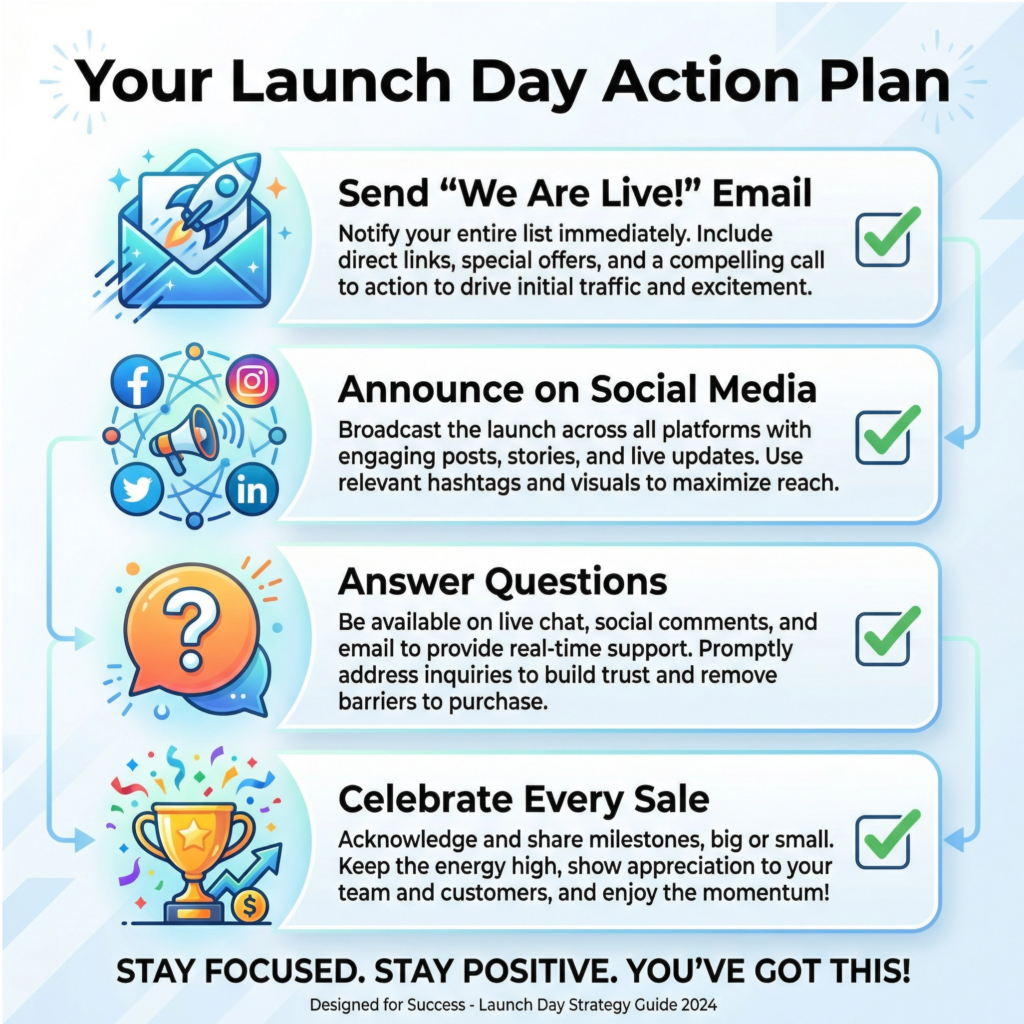
Here is what you need to do on launch day:
Send the “We Are Live!” Email
This is the most important email you will send.
Write a clear, excited message to your email list.
Let them know the product is officially available.
Include a direct link to your sales page so they can buy it immediately.
Announce on Social Media
Post your launch announcement on all your social media channels.
Use the beautiful visual content you prepared.
Make sure every post includes a clear call to action and a link to your sales page.
Answer Questions
Be available and responsive.
People will have questions before they buy.
Answer them quickly and helpfully on social media, in email, and on your sales page.
Good customer service can be the thing that convinces someone to buy.
Celebrate Every Sale
Every single sale is a person who believes in you and your product.
Celebrate each one!
Share your excitement with your audience.
Thank your new customers publicly if you can.
This creates positive momentum and encourages others to join in.
Step16: Be Ready for Customer Support
Imagine you have opened a new store.
A customer walks in, looking confused.
Would you ignore them?
Of course not! You would walk over with a smile and ask, “How can I help you?”
Excellent customer support is just that: being a friendly, helpful guide for your new customers.
It is a vital part of your Product Launch Checklist.
It is not a burden; it is one of the best opportunities you have to build trust and create loyal fans who will buy from you again and again.

During your launch, people will have questions.
It is a natural part of the buying process.
Being prepared for these questions shows you are a professional who cares about your customers’ success.
A quick, helpful answer can be the difference between a lost sale and a happy customer.
It makes people feel safe and confident buying from you.
They know that if they run into any trouble, you will be there to help them out.
Most questions will be simple and repetitive.
You can prepare for them ahead of time.
Here are some of the most common questions you might get:
- “How do I access the product after I buy it?”
- “I can’t open the file. What program do I need?”
- “Is this product right for me if I am a complete beginner?”
- “My payment did not go through. Can you help?”
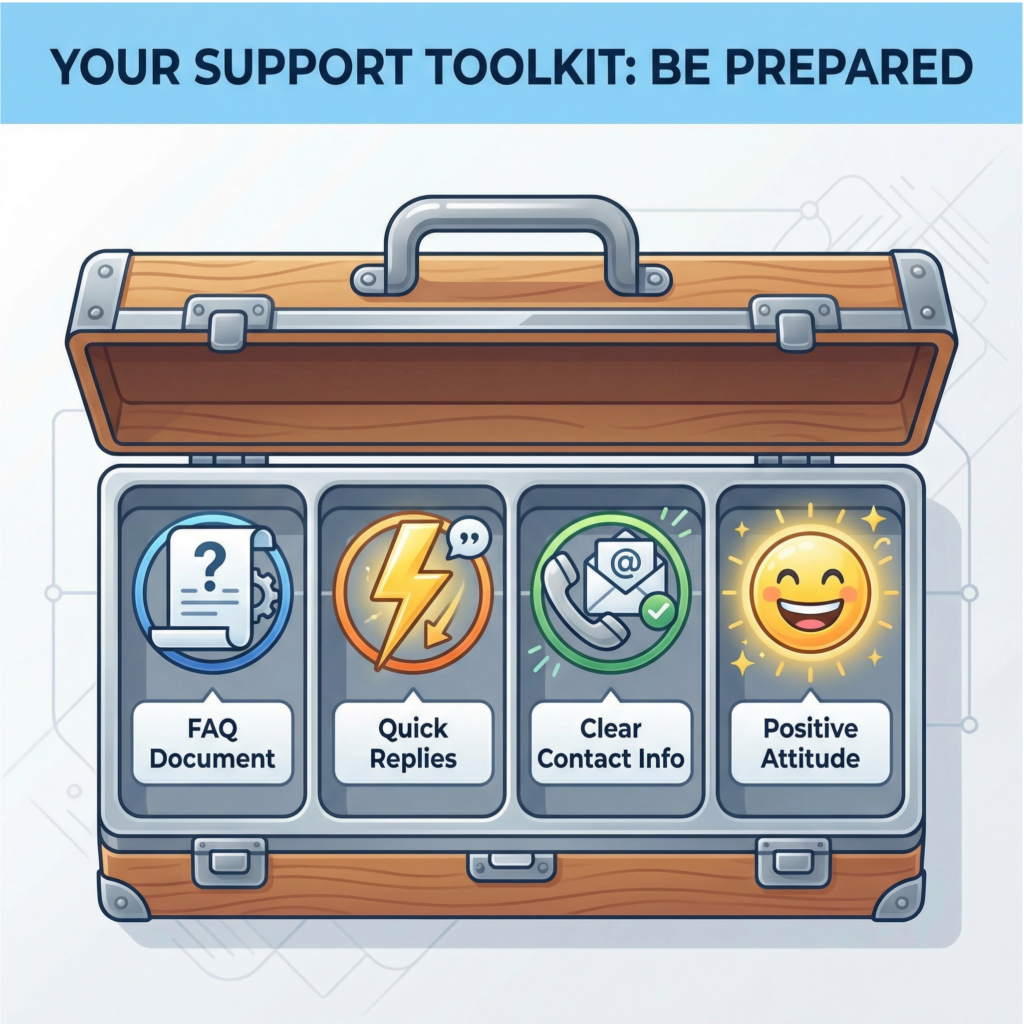
To handle these with ease, create a simple FAQ (Frequently Asked Questions) document for yourself.
Write down the answers to these common questions before your launch begins.
When a customer asks, you can simply copy and paste your clear, pre-written answer.
This saves you time and ensures every customer gets a high-quality response.
Step17: Collect Feedback
Your launch is over, but your journey is just beginning.
Now you have something incredibly valuable: customers.
These are real people who used your product to solve a problem.
Their experience is a treasure chest of insights.
Collecting feedback is the final, crucial step in your Product Launch Checklist.
It is how you turn a good product into a great one.
It is how you discover what your next product should be.
Feedback is not criticism; it is a gift.
It is a road map to a better business, handed to you by the people who matter most.
Why is feedback so important? Because you are not a mind reader.
You cannot know what your customers truly loved about your product.
You cannot know what confused them or what they wish it included.
Guessing is a terrible business strategy. Asking is a brilliant one.
When you actively listen to your customers, they feel valued and respected.
This builds a powerful bond that turns one-time buyers into lifelong fans.
They become part of your journey, co-creating the future of your business alongside you.
Getting feedback does not have to be complicated.
You do not need fancy survey software.
A simple email is often the best way to start.
A week or two after your launch, send a personal email to your new customers.
Thank them for their purchase and ask them for their honest thoughts.
Keep it short and to the point.
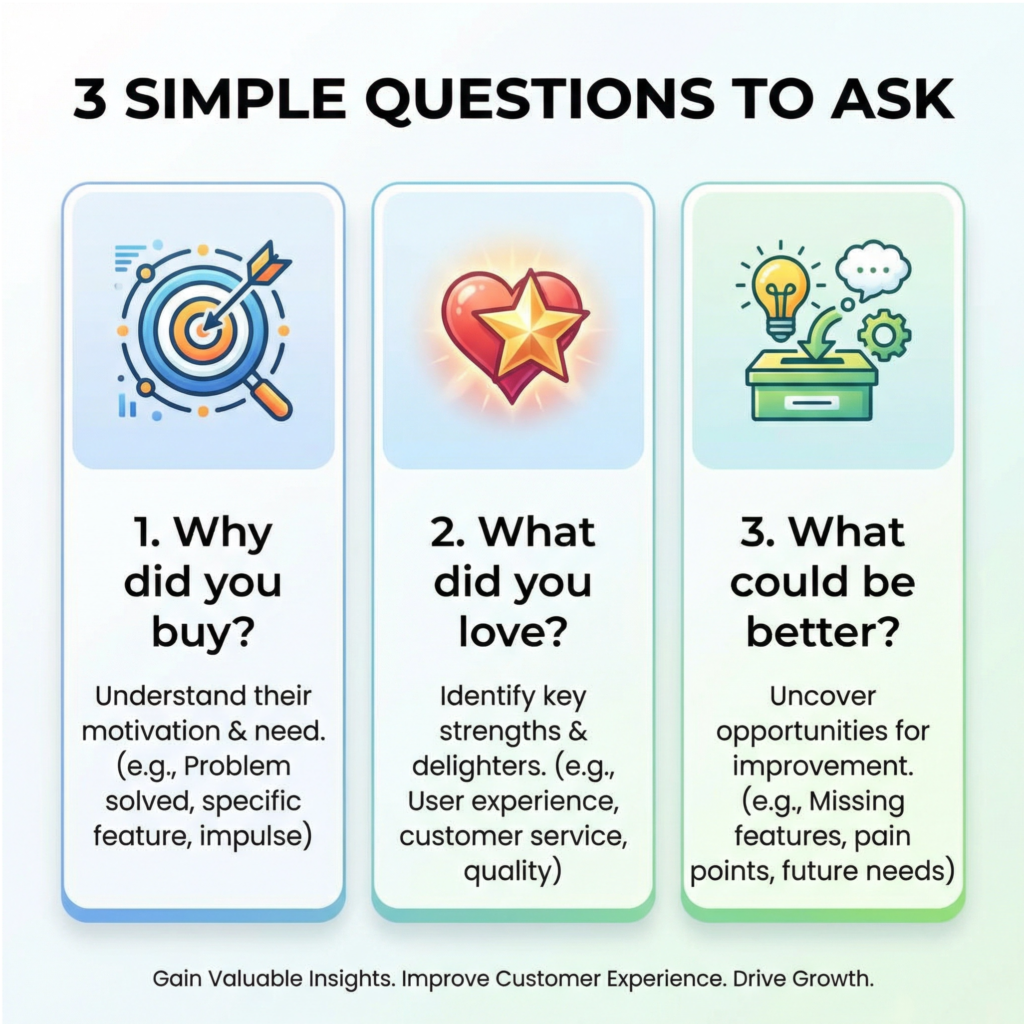
Here are three simple questions you can ask:
- What was the single biggest reason you decided to buy? (This tells you what to emphasize in your marketing.)
- What was one thing you loved about the product? (This helps you find amazing testimonials.)
- What is one thing you wish was different or would like to see added? (This is your guide for future product updates or new ideas.)
When someone gives you a glowing response, ask for their permission to use it as a testimonial.
These social proofs are pure gold for your sales page.
Step18: Track Performance
Imagine you just finished playing a big game.
What is the first thing you do?
You look at the scoreboard.
You want to know the final score, how many points you made, and how well you played.
Tracking the performance of your launch is your scoreboard.
It is a crucial part of your Product Launch Checklist.
It is not about judging yourself.
It is about learning from the game you just played.
The numbers tell you a story.
They show you what worked, what did not, and how you can play even better next time.

Looking at your launch numbers helps you make smart decisions in the future.
You are no longer guessing; you are using real data.
Maybe you will discover that your emails were very effective, but your social media posts were not.
That is valuable information!
It tells you where to focus your energy for your next launch.
Without tracking, you are flying blind. With tracking, you have a clear map showing you the path to improvement.
You do not need to track a hundred different things.
For your first launch, keeping it simple is best. Focus on just a few key numbers.
Most selling platforms and email services make these easy to find.
Here are the three most important numbers for your launch scoreboard:
- Sales Page Visitors: How many people came to see your product? This tells you how effective your marketing was at getting attention.
- Total Sales: How many people bought your product? This is the most important number, showing you the final result of your efforts.
- Conversion Rate: What percentage of visitors turned into customers? This is a powerful number. If you had 100 visitors and 5 sales, your conversion rate is 5%. This tells you how well your sales page convinced people to buy.
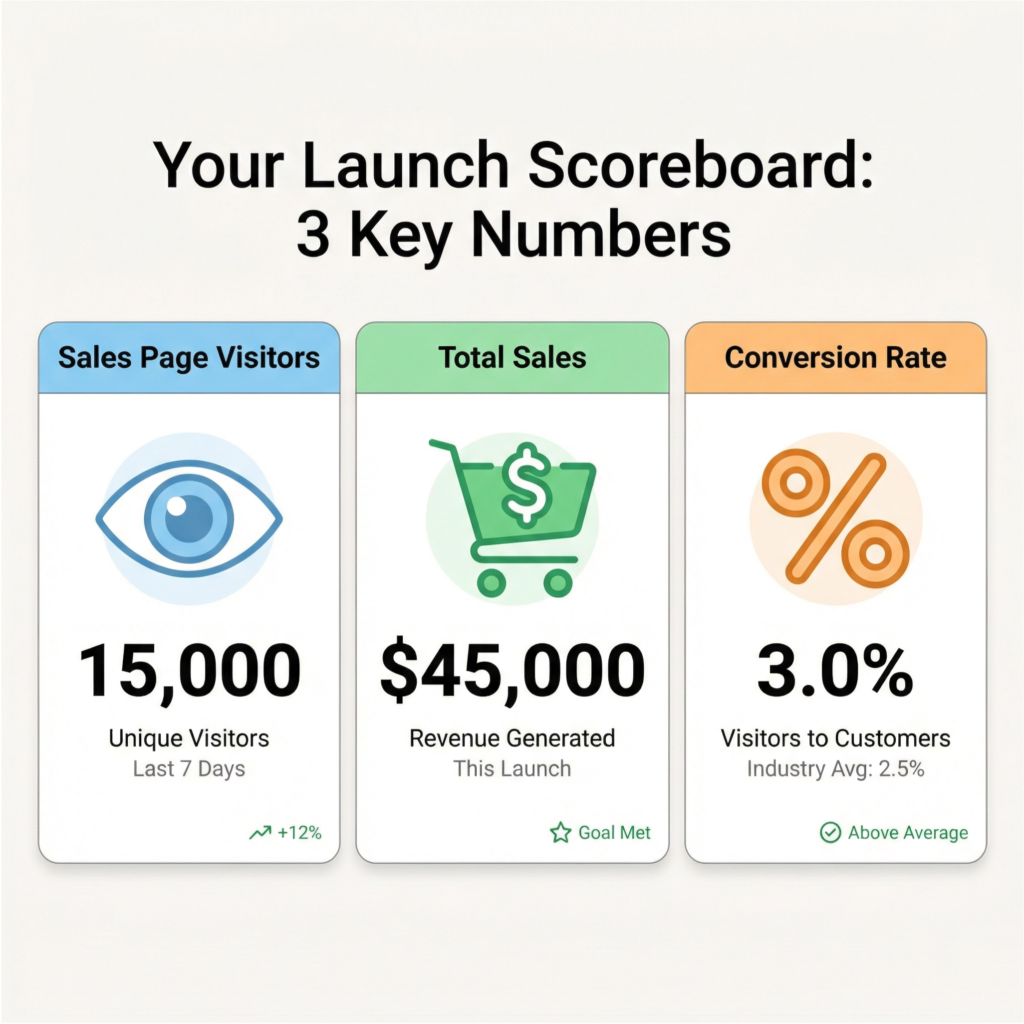
By looking at these three numbers, you can understand the story of your launch.
If you had lots of visitors but few sales, you might need to improve your sales page.
If you have few visitors but a high conversion rate, you know your sales page is great, and you just need to get more people to see it.
Step19: Improve and Update the Product
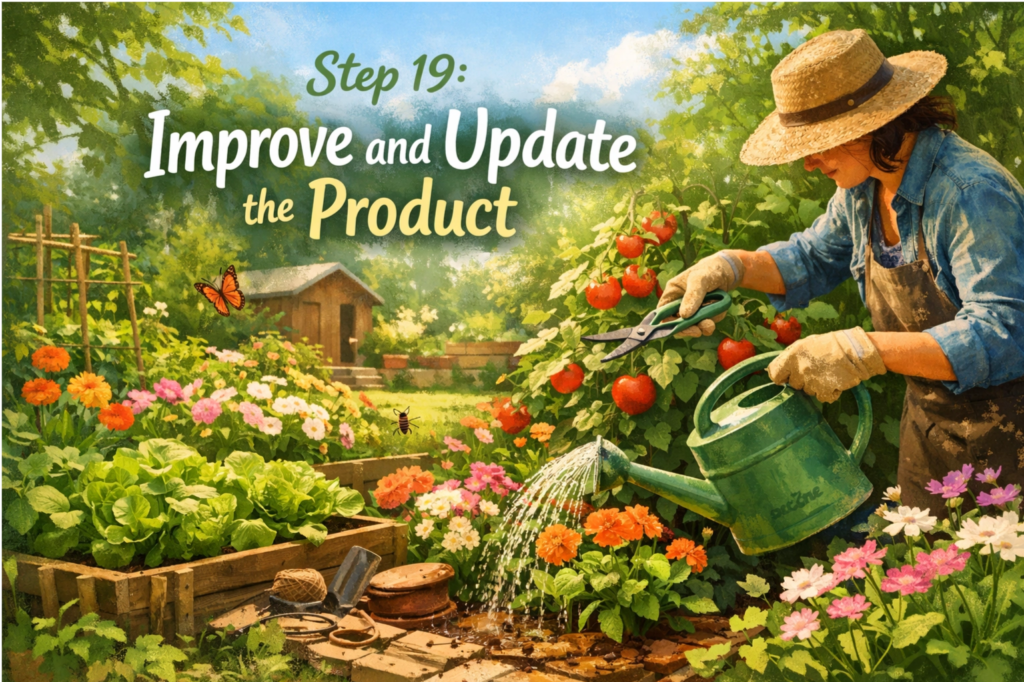
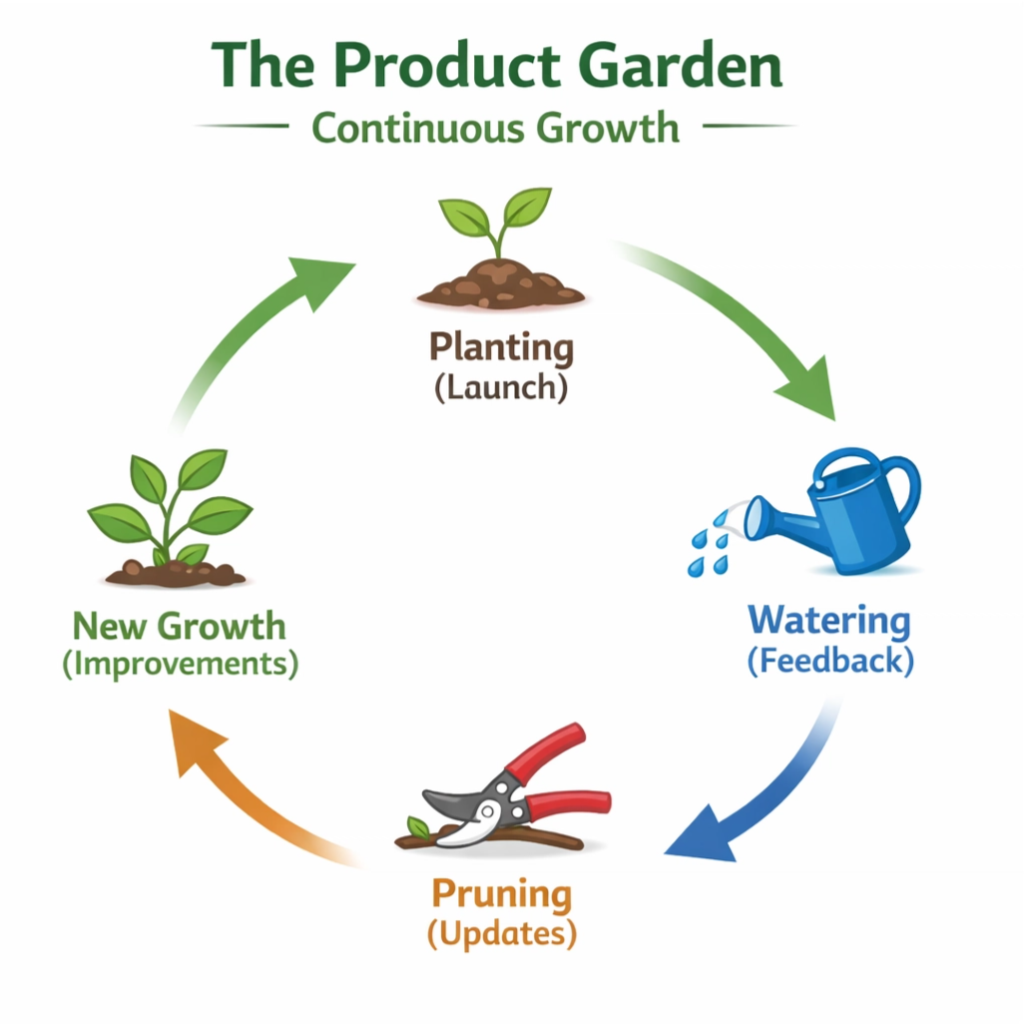
Imagine your product is like a garden.
You plant the seeds, water them, and watch them grow.
But a garden is never truly “finished.” It needs constant care, weeding, and new plantings to stay beautiful and fruitful. Your digital product is the same.
Launching it is like planting the garden.
But to keep it thriving, you must continuously improve and update it. This is a crucial, ongoing step in your Product Launch Checklist. It is how your product stays relevant, valuable, and loved by your customers.
Many people think that once a product is launched, the work is done. That is a big mistake.
The world changes fast. Technology evolves. Your customers’ needs change.
If your product stays exactly the same, it will quickly become old and forgotten.
Continuous improvement means you are always making it better.
You are listening to your customers, fixing small problems, and adding new things that make their lives even easier.
This shows your customers that you are committed to their success, not just to making a quick sale.
Where do these improvements come from?
They come directly from the steps you just completed: collecting feedback and tracking performance.
Your customers told you what they loved and what they wished was different.
Your numbers showed you where people got stuck or where your marketing could be stronger.
This information is your guide. It tells you exactly what weeds to pull and what new flowers to plant in your product garden.
Updates do not have to be huge.
Small, consistent changes are often more powerful than big, infrequent overhauls.
Think of it like tiny adjustments to a ship’s rudder.
Each small turn keeps it on course for a long journey.
These updates can be:
- Bug Fixes: Squashing any small errors that pop up.
- Content Refresh: Updating old information or adding new examples.
- New Features: Adding small, requested functionalities.
- Clarity Improvements: Making instructions or explanations easier to understand.
Look at the feedback you collected and the performance numbers you tracked.
Pick one small thing you can improve or update in your product this week.
It could be fixing a typo, clarifying an instruction, or adding a small bonus.
Make that change. Then, tell your customers about it!
Step20: Thank Your Customers
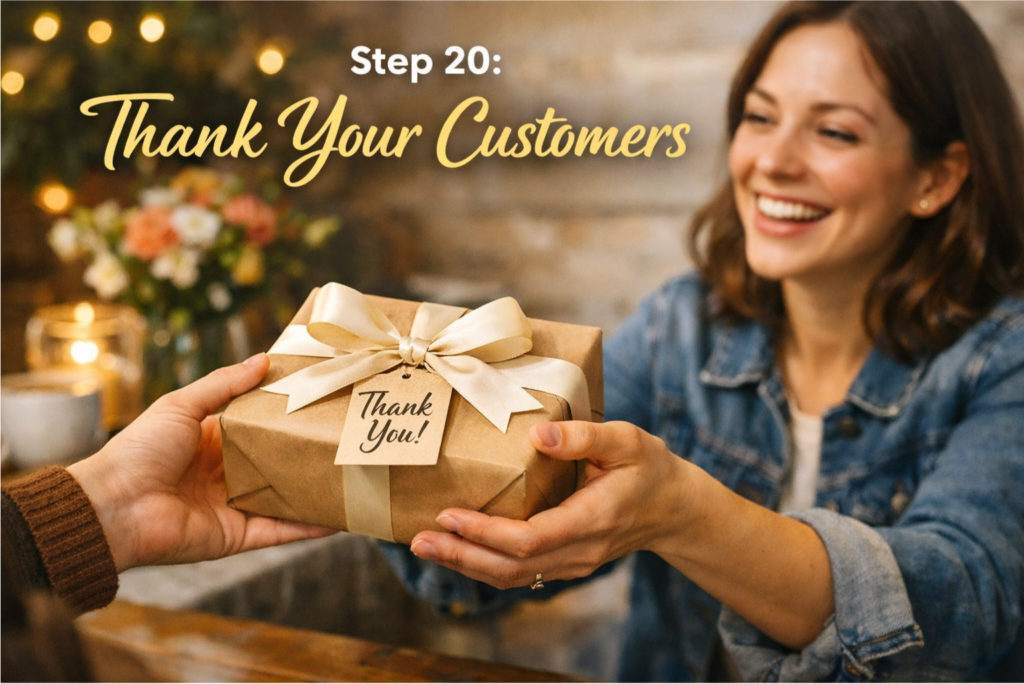
Imagine you have just hosted a wonderful party.
Your guests had a great time, and they left happy.
What is the next thing you do? You send them a thank-you note!
Your product launch is like that party.
Your customers are your guests.
Showing them genuine appreciation is not just polite; it is smart business.
This is the final, heartwarming step in your Product Launch Checklist. It is how you turn a one-time buyer into a loyal fan and a powerful advocate for your brand.
Many businesses forget this simple but powerful step.
They focus so much on getting the sale that they forget to nurture the relationship afterward.
But a customer who feels valued is a customer who comes back. They tell their friends.
They leave positive reviews.
They become your biggest cheerleaders.
A simple “thank you” can create a bond that lasts for years. It shows that you see them as more than just a transaction.
You see them as a person who trusted you with their time and money.
So, how can you say thank you in a way that truly stands out? It does not have to be expensive or complicated.
Sincerity is the most important ingredient.
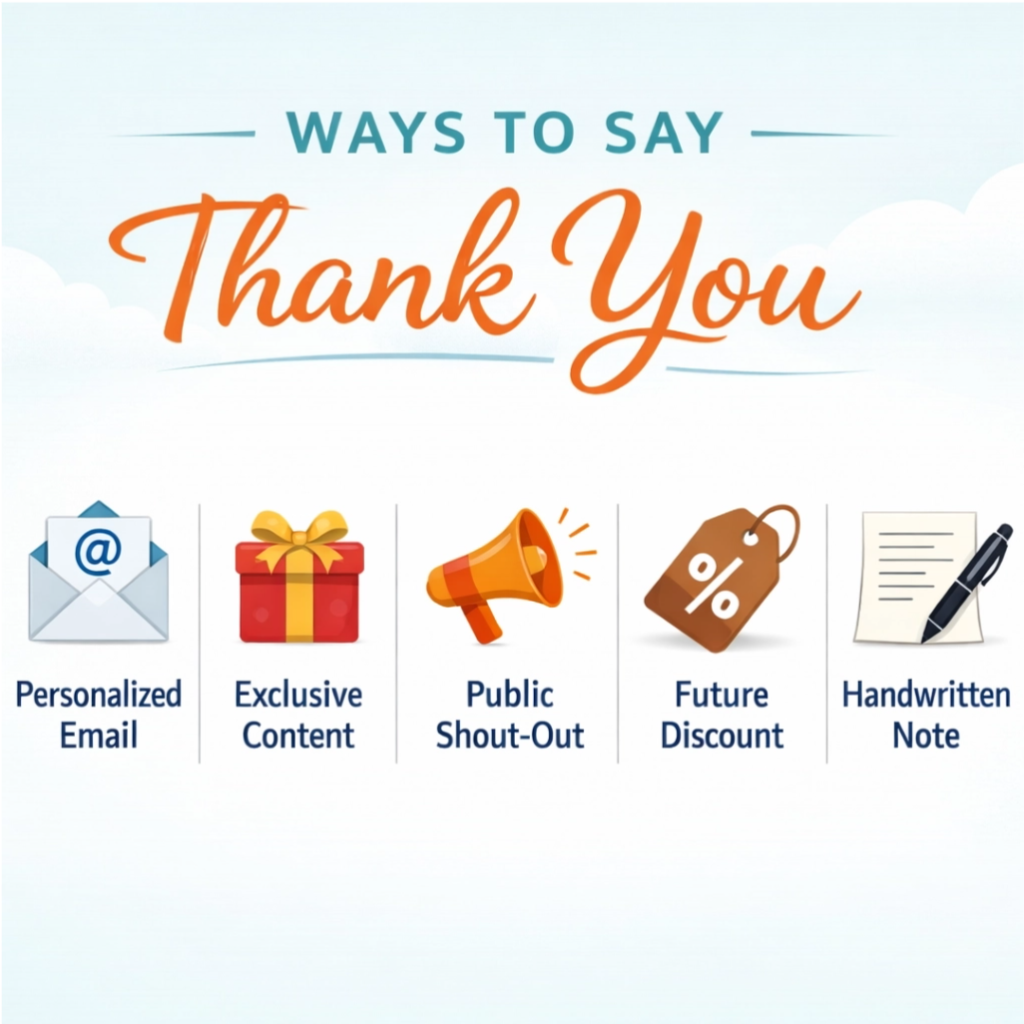
Here are some simple, powerful ways to show your gratitude:
- Personalized Email: Send a heartfelt email that goes beyond the automated receipt. Share a little bit about your journey or what their purchase means to you.
- Exclusive Content: Offer a small, free bonus or a piece of exclusive content just for buyers. This makes them feel special.
- Public Shout-Out: If they share their purchase on social media, give them a public thank you. Retweet them, comment, or share their post.
- Future Discount: Include a small discount code for their next purchase. This encourages repeat business.
- Handwritten Note: For a truly personal touch, a short handwritten note can make a huge impact, especially for higher-priced products.
Remember, the goal is to make your customers feel seen, appreciated, and happy they chose you.
This creates a positive ripple effect that will benefit your business long after the launch is over. It is the foundation of a thriving community around your product.
Conclusion
We have covered a lot of ground together.
From identifying your target audience to setting clear goals, finalizing your product, and testing it thoroughly.
We talked about setting the right price, crafting a compelling message, and building a landing page that converts.
We explored preparing visual content, planning your marketing channels, building your email list, creating a launch timeline, and double-checking every detail.
Finally, we discussed the excitement of officially launching, the importance of customer support, collecting valuable feedback, tracking your performance, and continuously improving your product.
Each step in this Product Launch Checklist is a building block.
Together, they form a strong foundation for your success.
Remember, a launch is not a one-time event. It is the beginning of a relationship with your customers and a journey of continuous growth for your product.
You have the tools and the knowledge now to make your next launch your best launch.
We have only talked about a small part of Product Launch Checklist , and there is still much more to learn. That is why it is included in our digital product guide, and we strongly suggest you read it to understand everything better.