How to validate digital product idea is the single most important skill that separates successful digital entrepreneurs from those who waste months building products nobody wants.
Every creator has a notebook filled with brilliant ideas, but one fear stops them from starting: “What if I build it and no one buys it?”
This fear of wasting time and money on a product nobody wants is real.
But what if you could know if your idea was a winner before you wrote a single line of code or designed a single graphic?
This guide will give you a simple, 10-step framework to validate your digital product idea.
You will learn how to find your customers, test your messaging, and even get paid before you build anything.
Step 1: Clearly Define Your Digital Product Idea
Before you can figure out how to validate your digital product idea, you need to know exactly what it is.
Think of your idea like a photo.
Right now, it might be blurry. You can kind of see the shape, but the details are missing.
Our goal is to bring that photo into sharp focus.
A clear idea is the foundation of a successful product. It acts as your map, guiding all your future decisions.
Without this clarity, you might build something that nobody understands or wants.

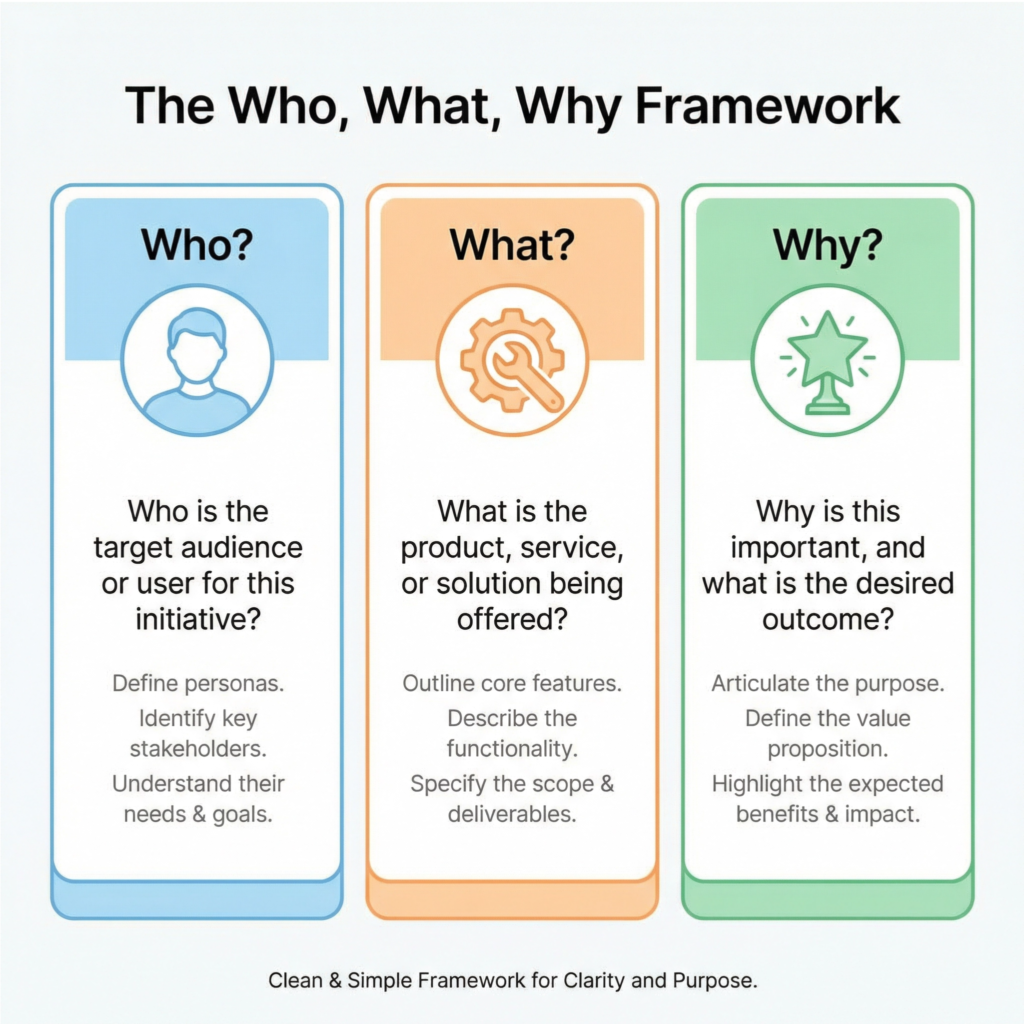
To make your idea clear, I use a simple method.
I call it the “Who, What, Why” framework.
It’s a set of three simple questions that will transform your blurry idea into a focused concept.
Answering these questions is the most important first step you can take.
Who is this for?
Be super specific. “Moms” is too broad. “New moms who work from home and struggle to find time for exercise” is much better.
When you know exactly who you’re helping, you can make something they truly need.
What does it do?
What problem does your product solve?
What is the amazing result someone gets after using it?
Instead of “a fitness plan,” say “a 15-minute home workout plan that helps busy new moms feel strong and energized.”
Why is it special?
What makes your product different from others?
Maybe it’s easier to use, or it’s made for a very specific person.
For our example, it’s special because “it requires no equipment and can be done while the baby is napping.”
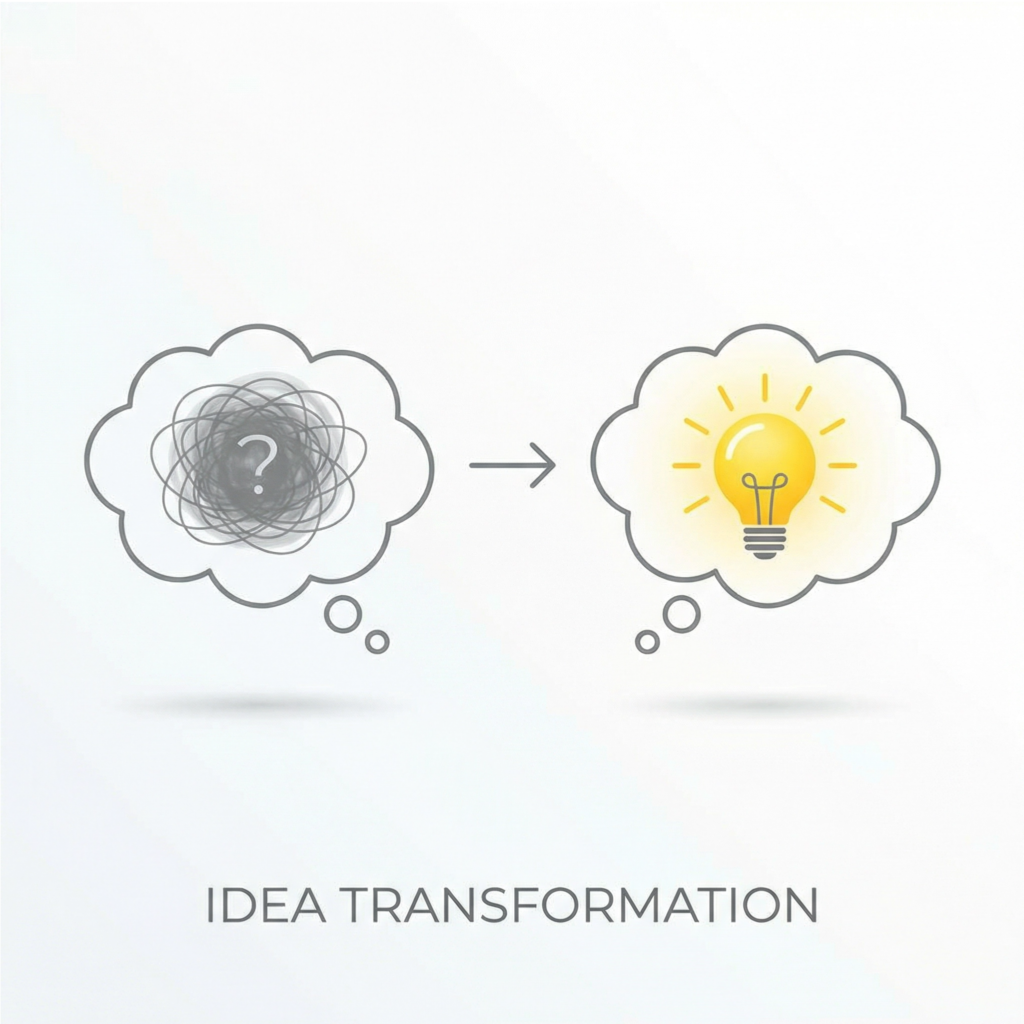
Let’s see the transformation.
A blurry idea like “an app for recipes” becomes a crystal-clear idea: “A recipe app (What) for busy college students (Who) that only shows meals you can make in under 20 minutes with five ingredients or less (Why).” See how much better that is?
Now you have a clear direction.
This clarity is essential for the next steps in how to validate your digital product idea.
Step 2: Identify the Problem, Not Just the Idea
Many creators make a big mistake. They fall in love with their idea.
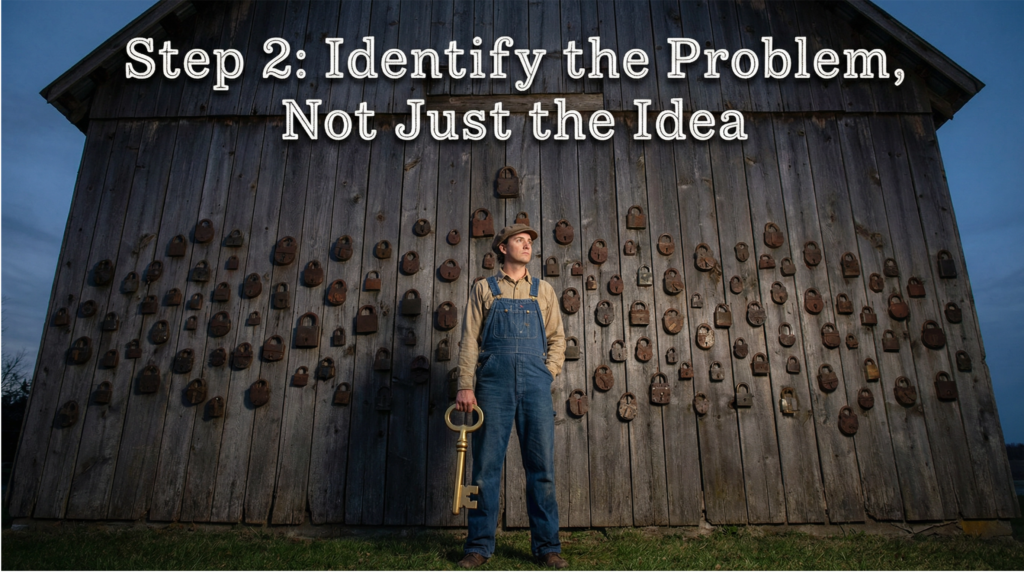
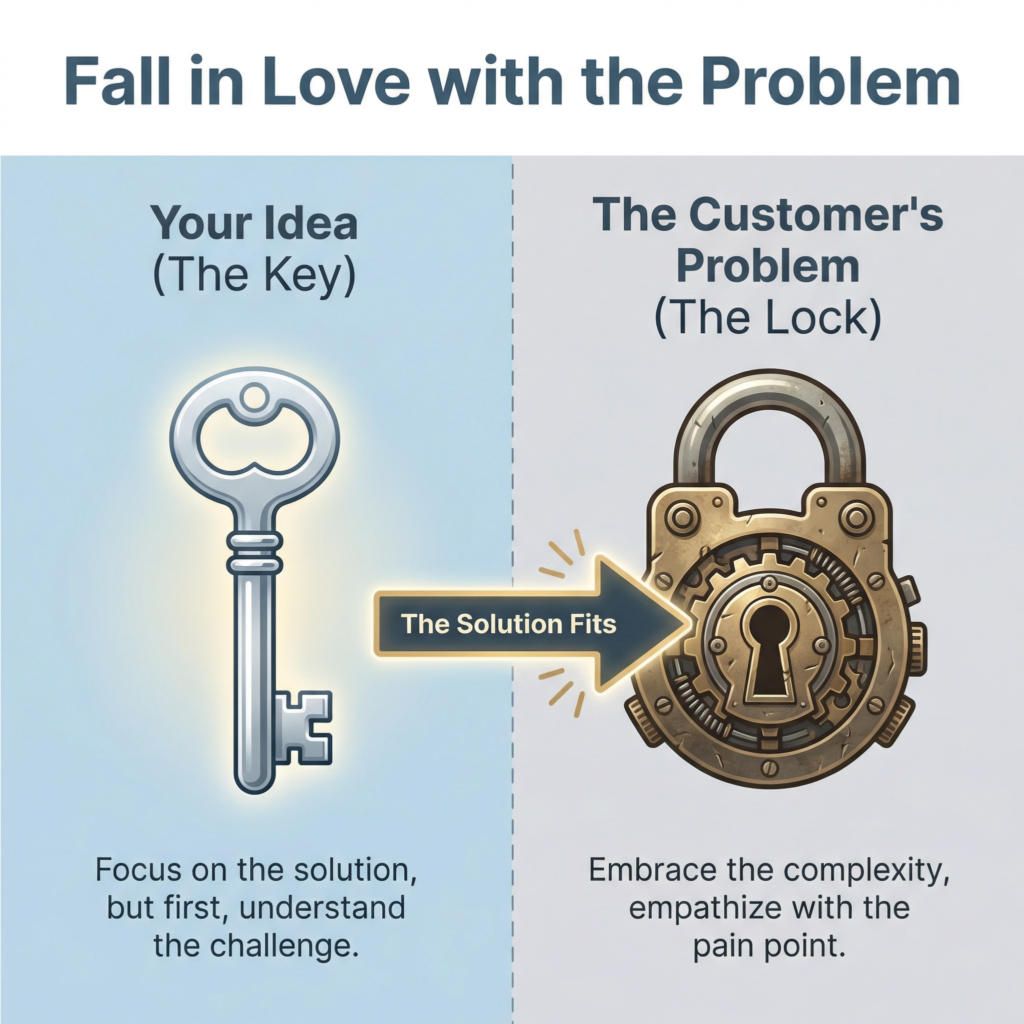
But an idea is just a key. A key is useless if you don’t have the right lock to open.
The lock is the problem your customers are facing.
The most important part of how to validate your digital product idea is to fall in love with the problem, not your solution.
People don’t buy products. They buy solutions to their problems. They buy a better version of themselves.
Think about it this way.
Your idea might be “to create a budget-tracking app.” But the real problem is that people feel anxious and out of control with their money.
They are scared of looking at their bank account. Your app isn’t just an app; it’s a tool for peace of mind.
When you focus on the problem—the anxiety and fear—you can build a much better product.
You will know what features are truly important. This is how you find an idea that people will actually pay for.
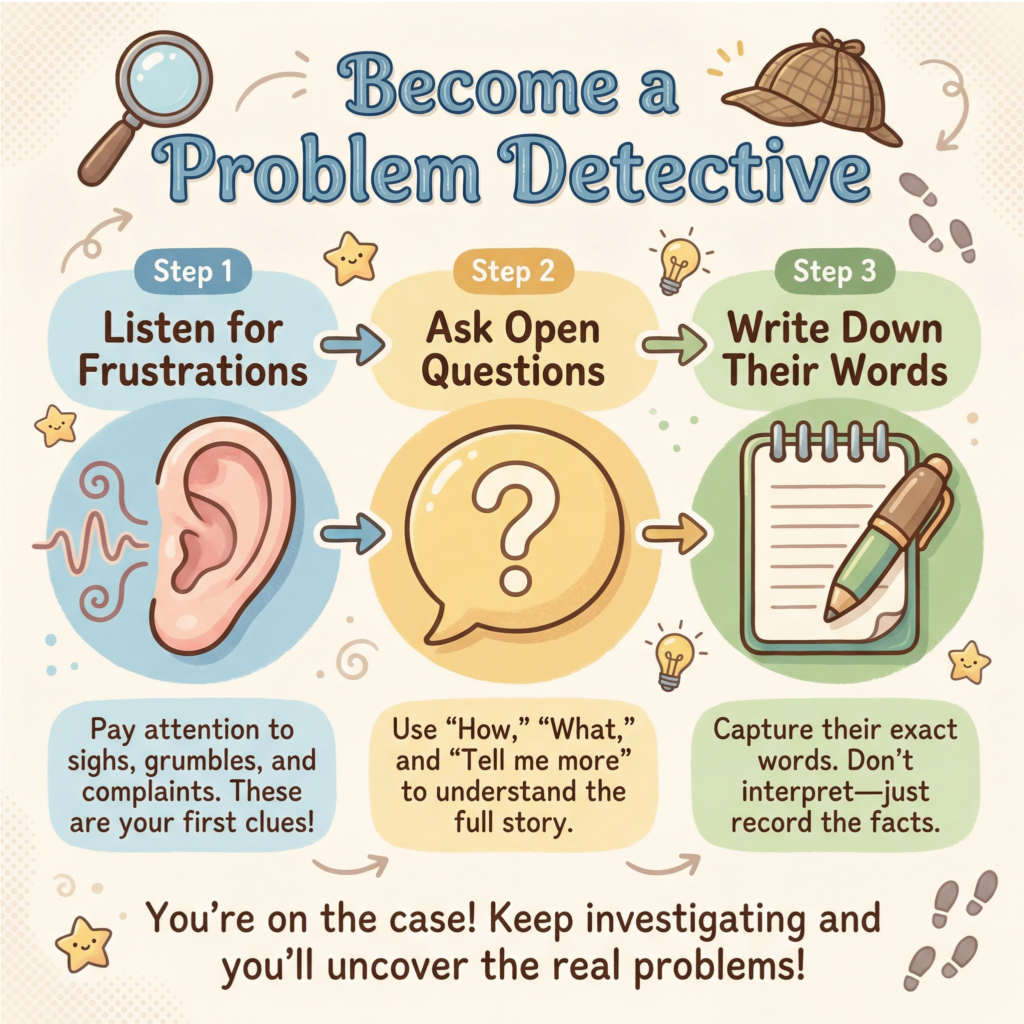
So, how do you find the real problem? You need to become a detective.
Your mission is to listen for struggles, frustrations, and complaints.
Talk to the people you identified in the “Who” step.
Ask them open-ended questions.
Don’t ask, “Would you buy my budget app?” Instead, ask, “What’s the most stressful part about managing your money?”
Listen for emotional words like “I hate,” “I’m so frustrated with,” or “I wish there was a way to…” These phrases are gold.
They point directly to the problems that people are desperate to solve. Write down the exact words they use.
This language will become the foundation of your marketing and your product development.
Understanding the deep-down problem is the secret to how to validate your digital product idea effectively.
Step 3: Search Online to See If People Are Interested
Now that you have a problem in mind, it’s time to see if other people have it too.
The internet is like a giant library filled with people’s questions and frustrations.
Your job is to find them.
This is a fast and free way for how to validate your digital product idea.
You are looking for proof that people are already searching for a solution to the problem you want to solve.
If they are, that’s a great sign! It means there is a hungry crowd waiting for someone like you to help them.

But where do you look? Don’t just use Google.
You need to go where people have real conversations.
Think of these places as digital campfires where people share their stories and struggles.
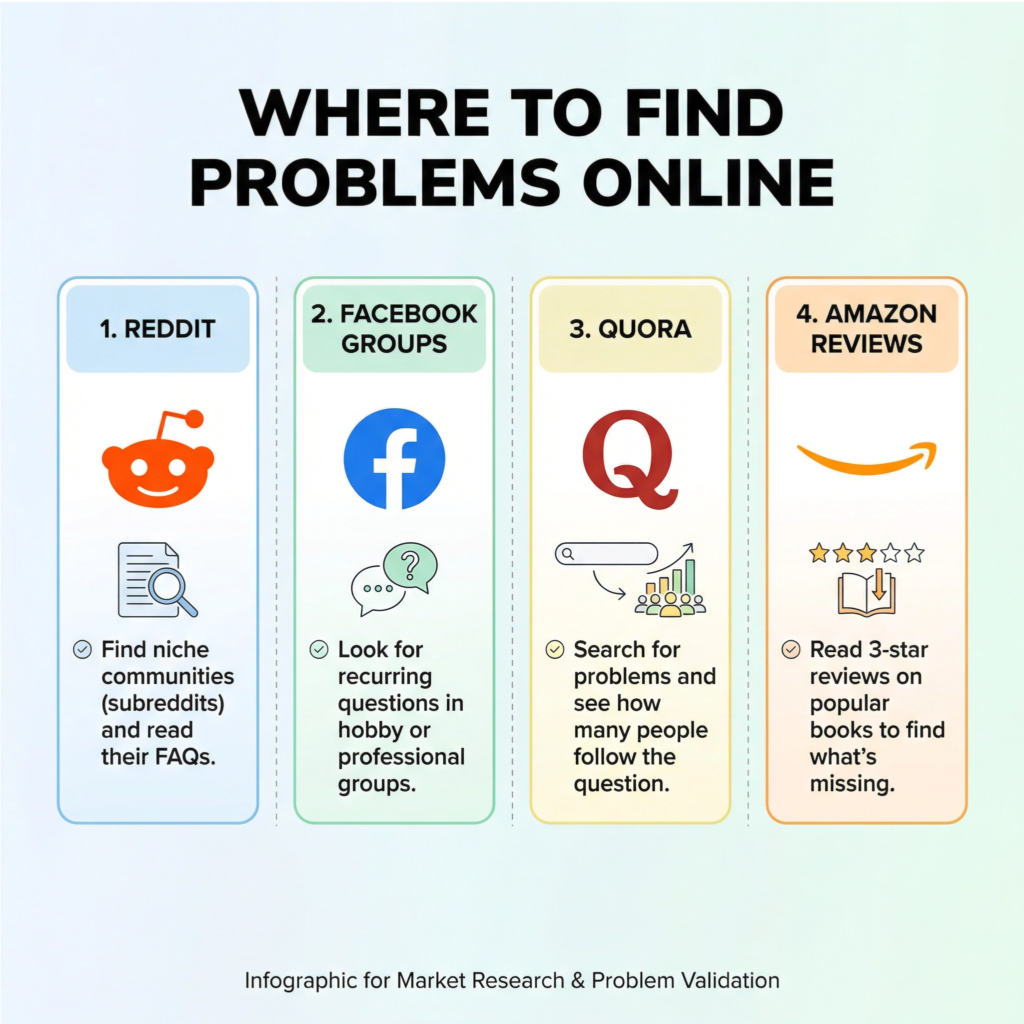
Reddit and Facebook Groups: These are online clubs for almost any topic you can imagine.
Find a group related to your idea.
For example, if your idea is about dog training, join a dog owners group.
Read the posts.
What questions do people ask over and over?
What are they complaining about?
These are clues!
Quora: This website is all about questions and answers.
Type in the problem you are trying to solve.
You will see all the questions people have asked about it.
The number of followers for a question shows how many people want an answer.
Amazon Book Reviews: Find popular books about your topic.
Read the 3-star reviews.
These are from people who liked the book but felt something was missing.
That “missing” piece could be your digital product idea!
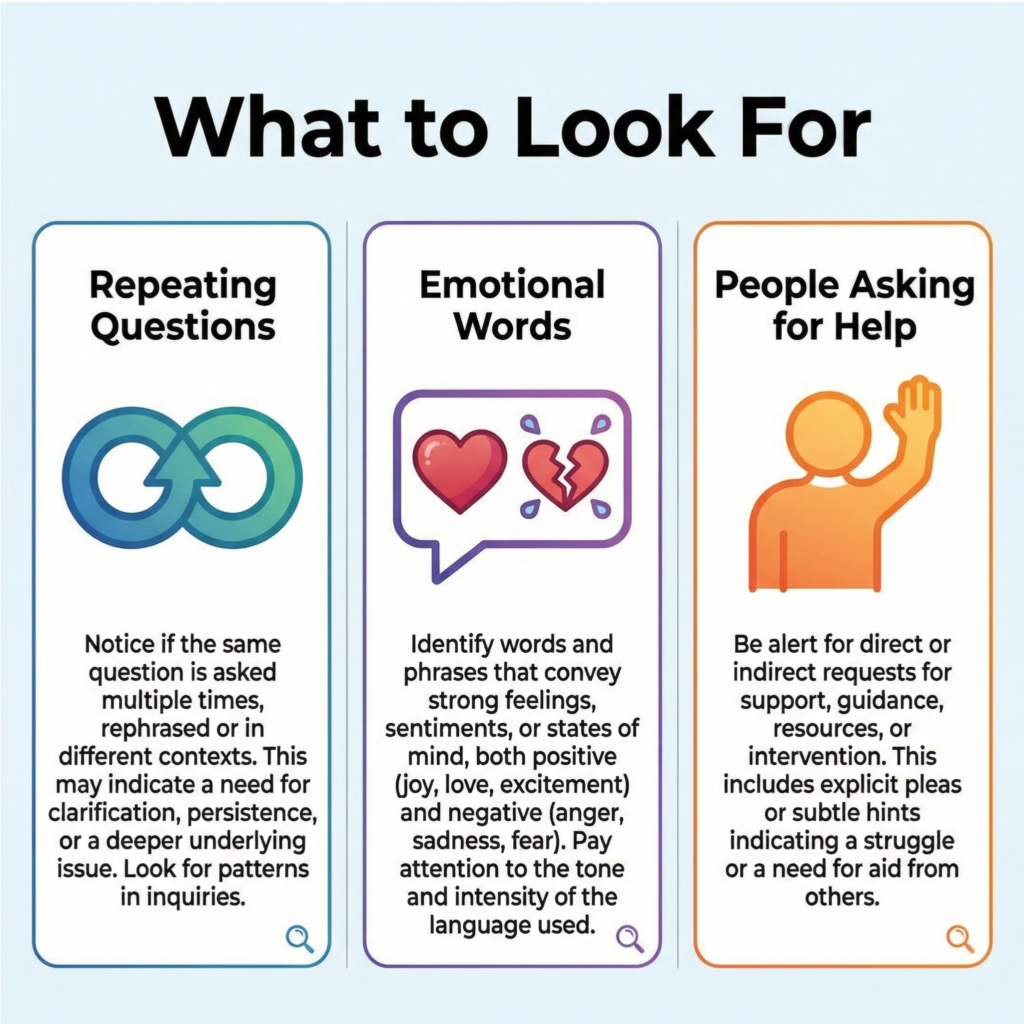
As you search, look for patterns.
Are you seeing the same questions again and again?
Are people using strong emotional words like “I’m desperate” or “I’m so stuck”?
This is evidence!
It proves the problem is real and painful.
This is a critical step in how to validate your digital product idea because it shows you there is a market waiting for you.
Step 4: Look at Existing Products and Competitors
When you see other people selling something similar to your idea, don’t be scared!
This is actually great news.
It’s a giant, flashing sign that says, “People pay money for this!”
Competition is not a warning to stop; it’s proof that you are in the right place.
This is one of the easiest ways for how to validate your digital product idea.
Your goal isn’t to be the only one, but to be different.
You are not copying; you are learning.
Think of it like being a detective, gathering clues about what works and what doesn’t.

Start by searching for your product idea on Google, YouTube, and social media.
Look on marketplaces where digital products are sold, like Etsy, Gumroad, or Skillshare.
Who are the most popular creators in this space?
What are they selling?
How much does it cost?
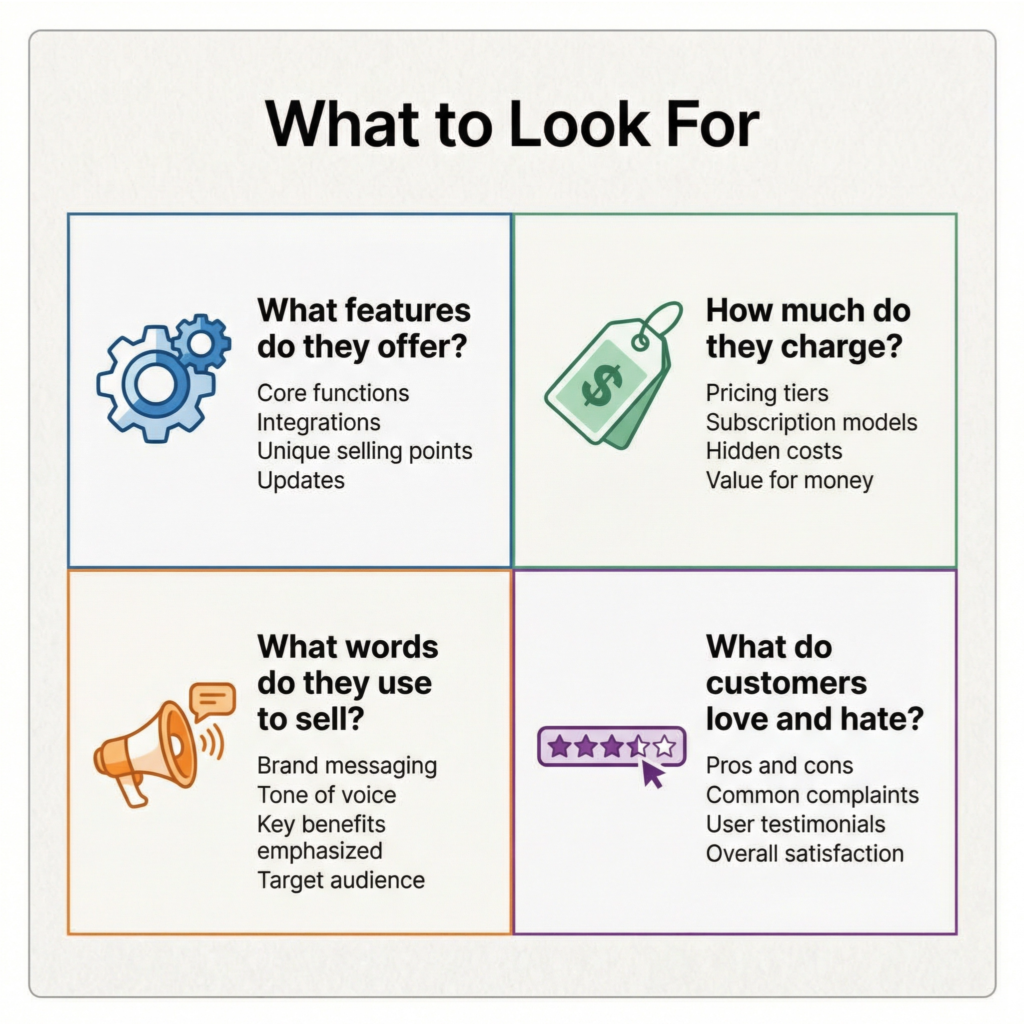
Pay close attention to their marketing.
How do they talk about their product?
What words do they use?
These are the words that attract customers.
But the real gold is in the customer reviews and comments. This is where you find the gaps.
Look for what people are saying in the 5-star reviews.
What do they love? That tells you what you must include in your product.
Even more important, look at the 3-star reviews.
What are people complaining about?
What do they wish the product had?
These complaints are your roadmap.
Each one is an opportunity for you to do something better.
Maybe their course is too long, and you can create a shorter, more focused one.
Maybe their templates are too complicated, and you can make simpler ones for beginners.
This is how you find your unique angle.
This is how you stand out.
Finding these gaps is a powerful part of how to validate your digital product idea.

Step 5: Ask Real People Direct Questions
So far, you have been a detective.
You have listened for problems online and spied on competitors.
Now, it’s time for the most important step in how to validate your digital product idea: talking to real people. This is where you turn on the lights.
Online research is like guessing what’s in a dark room.
Talking to someone is like flipping the switch.
You finally see everything clearly.
It can feel scary, but it is the fastest way to know if your idea is a winner or a dud.

There is one giant mistake everyone makes at this stage.
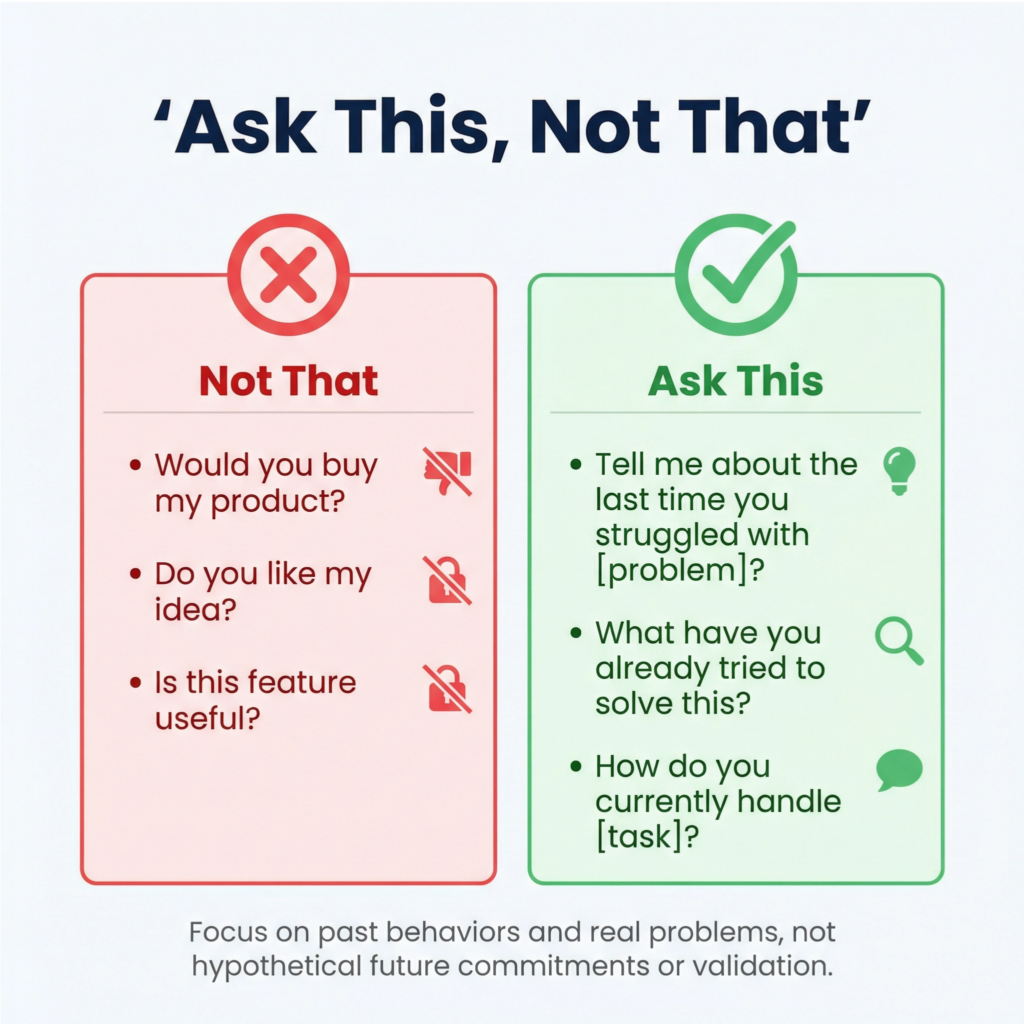
They ask, “Would you buy my product?” Please, never ask this question!
Your friends and family will lie to be nice.
Strangers might say yes because it’s easier than saying no. This question gives you false hope.
You need to ask questions that get you honest answers.
The secret is to ask about their past, not the future.
Ask about their real life and their actual struggles.
Think like a doctor.
A doctor doesn’t ask, “Would you buy this medicine?”
They ask, “Where does it hurt?
How long has it been hurting?” You need to do the same.
Instead of pitching your idea, get them to tell you a story about their problem.
The best feedback comes from listening, not talking.
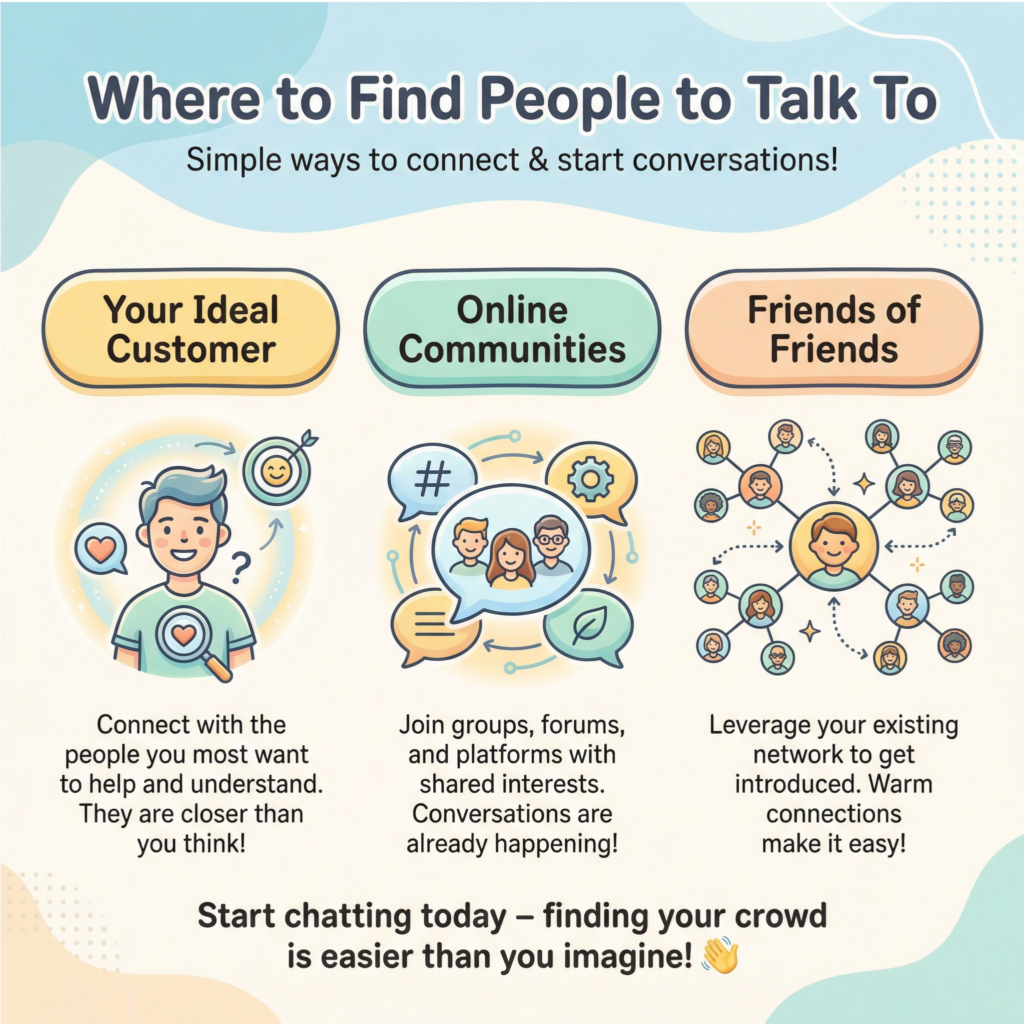
Where do you find these people?
Start with the people you identified in Step 1.
You can also go back to the online groups on Reddit or Facebook.
Make a post: “I’m doing research about [your topic] and would love to chat with a few people for 15 minutes.”
You’ll be surprised how many people are willing to help.
This is the ultimate test for how to validate your digital product idea.
Step 6: Create a Simple Landing Page
It’s time to build a digital storefront for your idea.
But don’t worry, you don’t need to build the whole store yet.
You just need a sign out front.
This is your landing page.
Think of it as a movie trailer for your product.
It gives people a sneak peek and asks them if they want to see more.
This is a powerful step in how to validate your digital product idea because it moves from conversation to action.
You are asking people to vote with a click, not just their words.
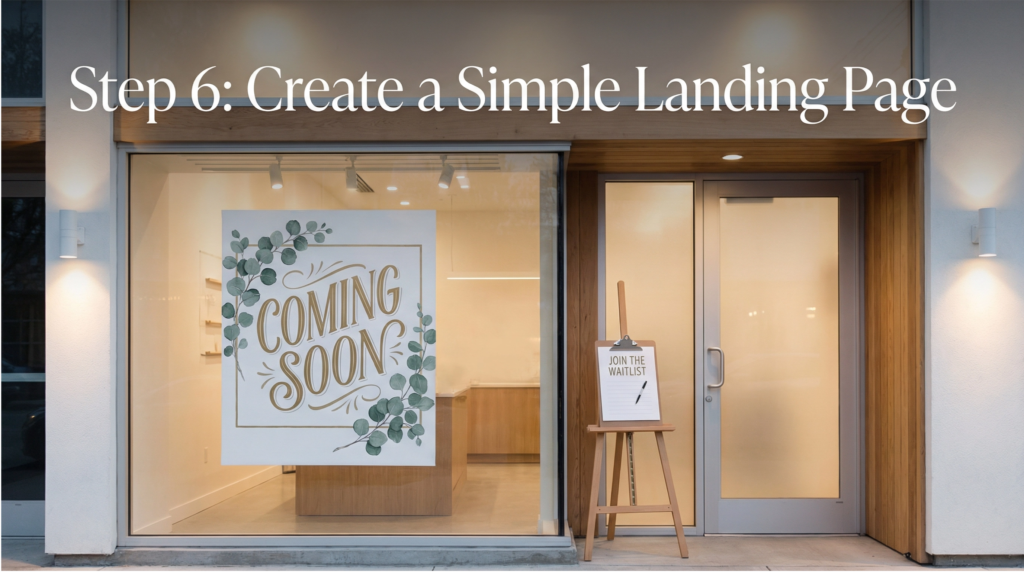
Your landing page has one job: to see if people are interested enough to give you their email address. That’s it.
You are not selling anything yet.
You are just collecting a list of potential customers. This list is pure gold.
It’s a group of people who have raised their hand and said, “Yes, I want to know more about this!”
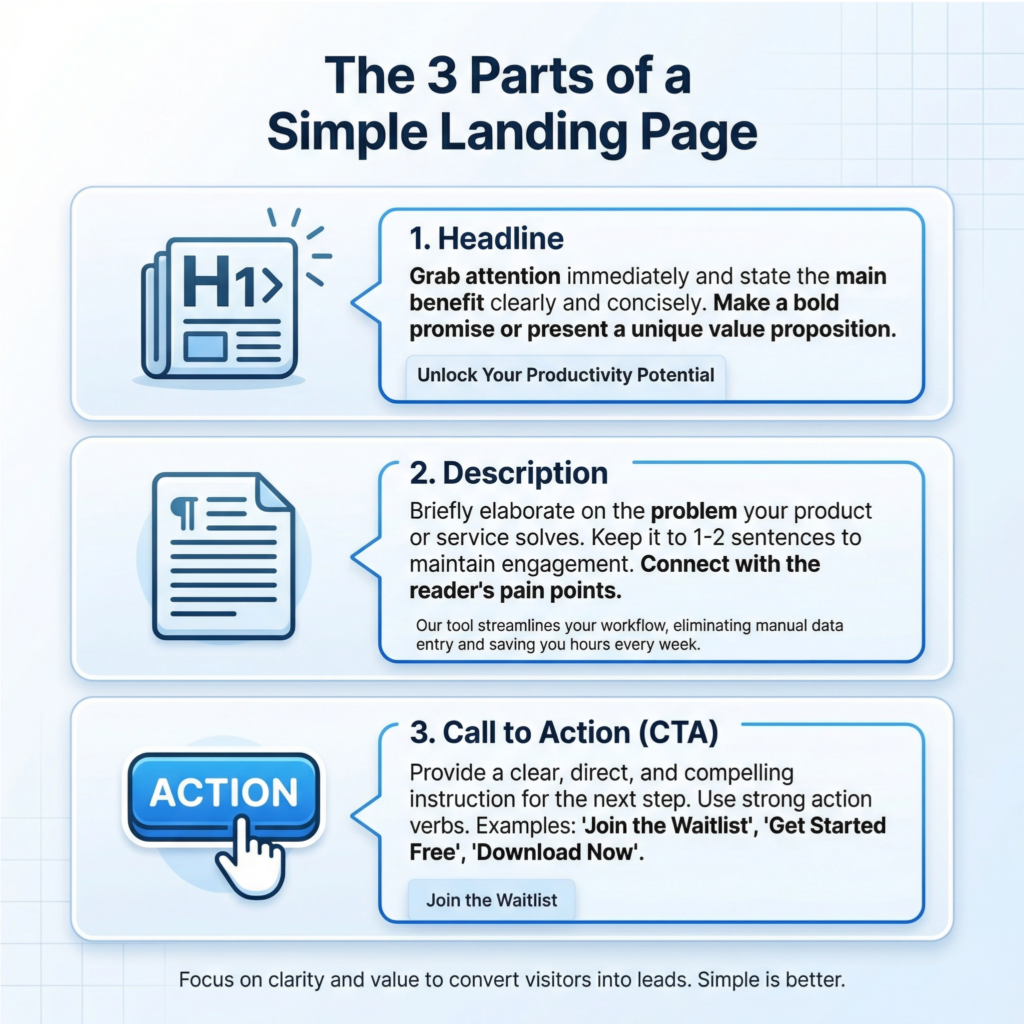
Your page only needs three simple things:
- A Killer Headline: This is the first thing people see. It should clearly state the main benefit of your product. Use the words you heard in your customer interviews.
- A Short Description: One or two sentences explaining what the product is and who it is for. Keep it simple and focused on the problem you solve.
- A Call to Action (CTA): This is your sign-up form. Use a clear button like “Join the Waitlist” or “Get Notified at Launch.”
You don’t need to be a tech genius to build this.
There are amazing tools that make it easy.
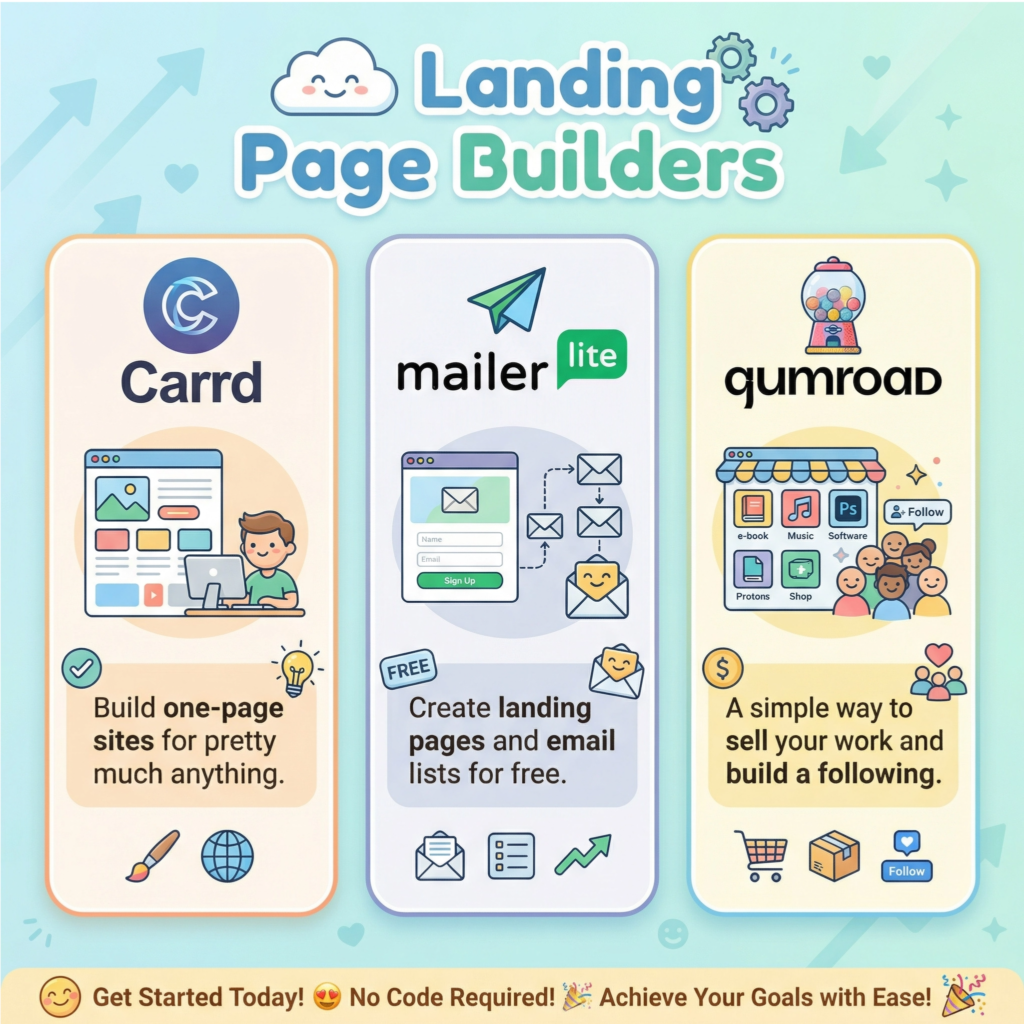
Services like Carrd, MailerLite, or Gumroad let you create a beautiful landing page in under an hour.
This is the ultimate test for how to validate your digital product idea.
If you can’t get people to give you their email for free, it will be very hard to get them to give you their money.
Step 7: Test Willingness to Pay
This is the final boss of validation. It’s the moment of truth.
So far, people have given you their time and their email address.
But there is one thing left to ask for: their money.
This is the most important step in how to validate your digital product idea.
Talk is cheap. Clicks are cheap. The only real proof that you have a good business idea is when someone is willing to pay for it.
This step separates the “that’s a nice idea” from the “shut up and take my money!”

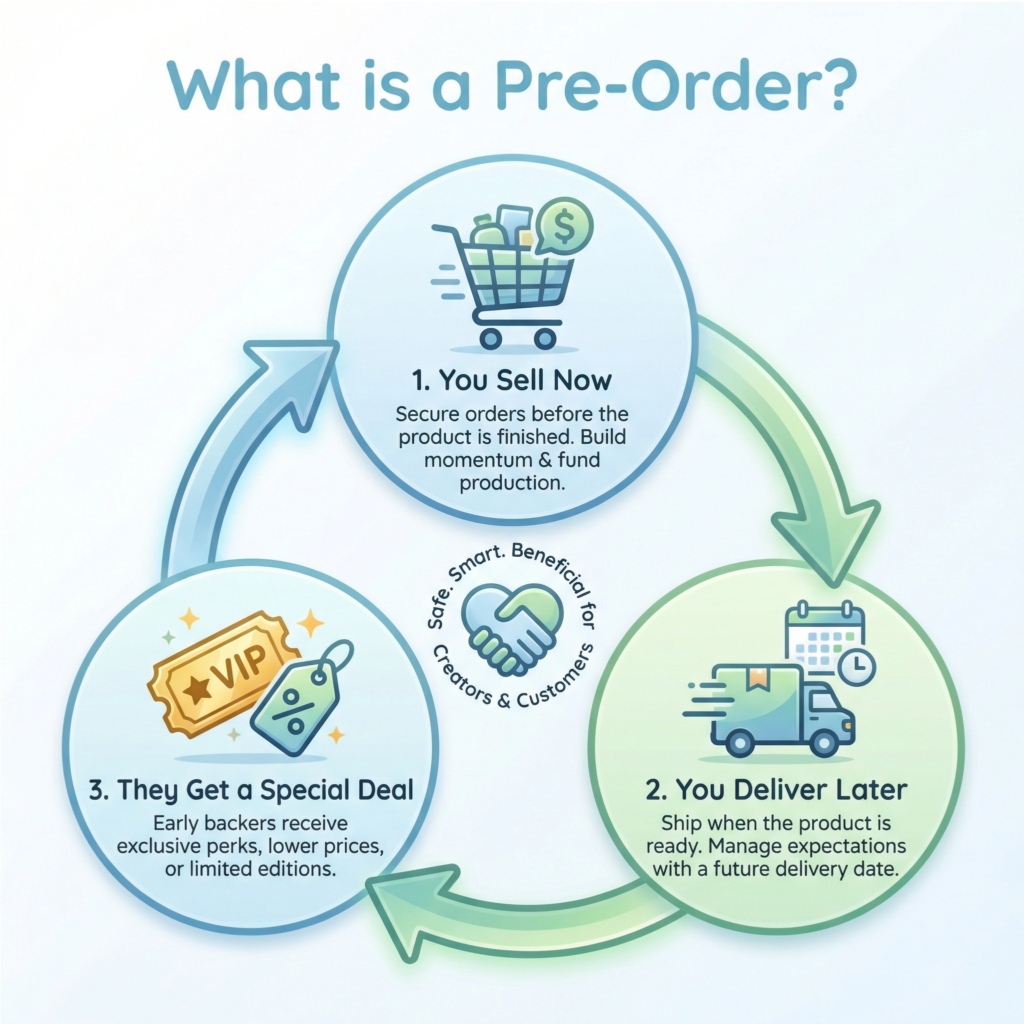
You are going to run a pre-order.
This means you will ask people to buy your product before it is finished.
This might feel scary or dishonest, but it’s not.
You just need to be honest.
Tell people the product is still being created and that they are getting a special “founder’s price” for being an early supporter.
People love to be part of the creation process.
They love getting a special deal.
It makes them feel like a VIP.
Your pre-order doesn’t have to be expensive.
You can charge $1, $5, or $10. The price doesn’t matter as much as the act of payment itself.
Someone who pays you $1 is 100 times more valuable as a validator than 100 people who just say they are interested.
That one person has proven they have the problem, they believe you can solve it, and they are willing to take a risk on you.
How do you set this up? It’s simple.
Go back to the landing page you created.
Add a “Pre-Order Now” button.
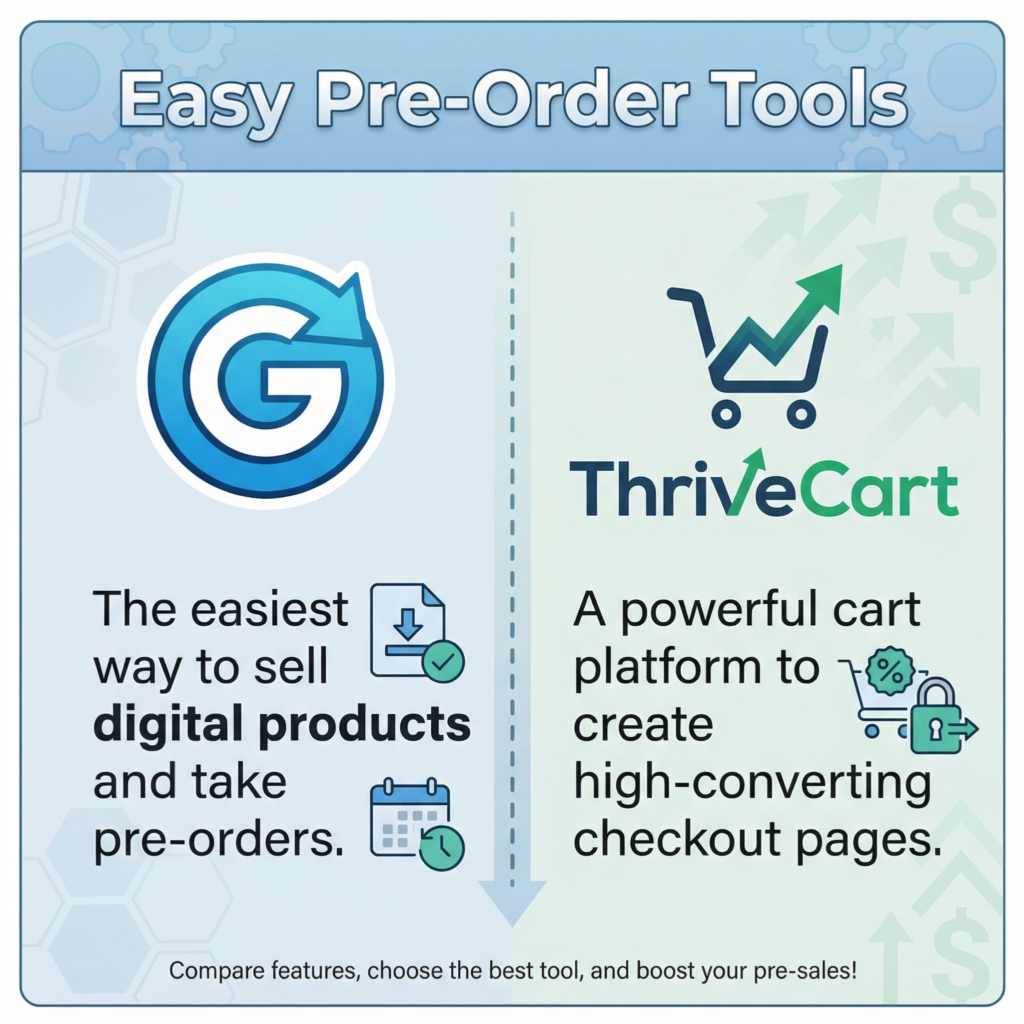
You can use tools like Gumroad or ThriveCart to handle the payment easily.
They are designed for this.
If you can get a few people to pre-order, you don’t have an idea anymore. You have a business.
Step 8: Share the Idea on Social Media
Think of social media as a giant, friendly party.
You have done the hard work of talking to people one-on-one.
Now, it’s time to step onto a small stage and share your story with a bigger crowd.
This is a fantastic step in how to validate your digital product idea because it tests your message in the real world.
It’s one thing to explain your idea in a quiet conversation. It’s another to see if it grabs attention in a busy, noisy timeline.
This step helps you see if your idea is interesting enough to make someone stop scrolling.

Your goal here is not to sell.
Your goal is to start conversations.
You are not shouting, “Buy my thing!”
You are whispering, “I’m thinking about this problem… does anyone else feel this way?”
This is called “building in public.”
You are sharing your journey, not just the destination.
People love this!
It builds trust and makes them feel like they are part of your story.
When you finally launch, you won’t be launching to a cold audience.
You’ll be launching to a group of friends who have been cheering you on.
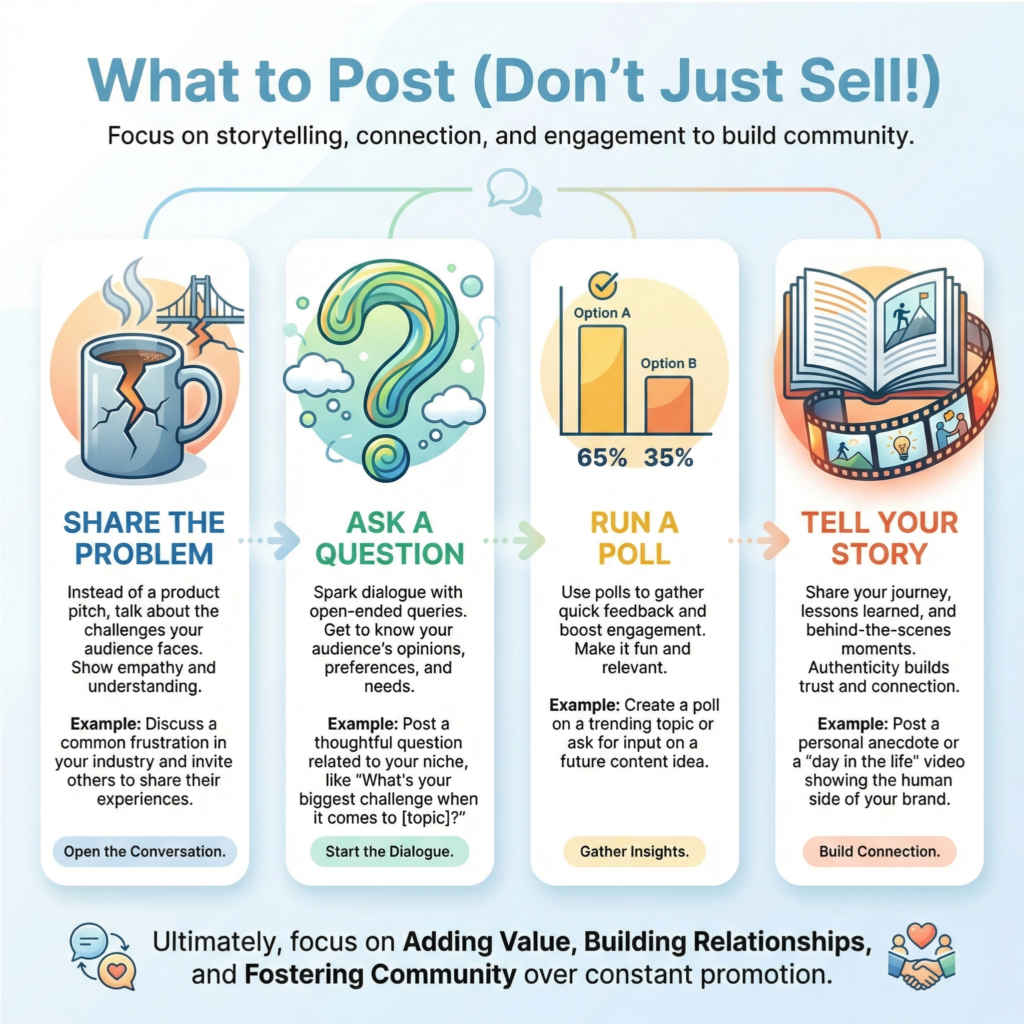
So, what should you post? Don’t just post a link to your landing page.
Tell a story. Share a struggle. Ask a question.
Use the poll feature on Instagram or Twitter.
For example, instead of saying, “I’m making a meal prep app,” you could ask, “What’s the most annoying part of planning your meals for the week?”
This invites people into a conversation.
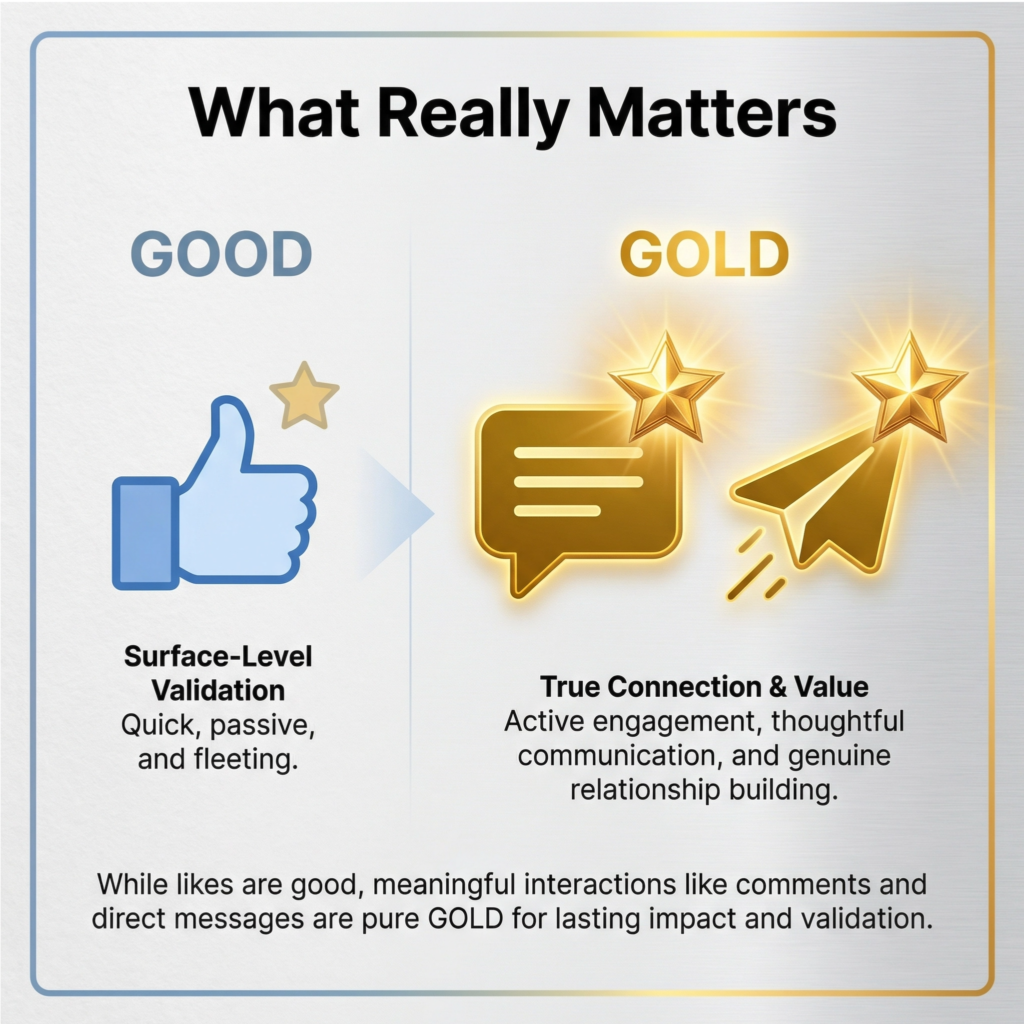
When you post, don’t just look at the number of likes.
Likes are nice, but comments and direct messages (DMs) are gold.
These are real people engaging with your idea.
Are they asking follow-up questions?
Are they sharing their own frustrations?
This is the data you are looking for.
This is how you truly validate your digital product idea in the open.
Step 9: Build a Small Minimum Version (MVP)
It’s time to build something real!
But don’t panic.
You are not building the final, perfect, polished product.
You are building a Minimum Viable Product, or MVP.
This is the smallest, simplest version of your product that still solves the core problem for your customer.
This is a critical step in how to validate your digital product idea because it gets your solution into someone’s hands.
It’s the difference between describing a meal and letting someone actually taste it.
The feedback you get from a real user is the most valuable feedback there is.
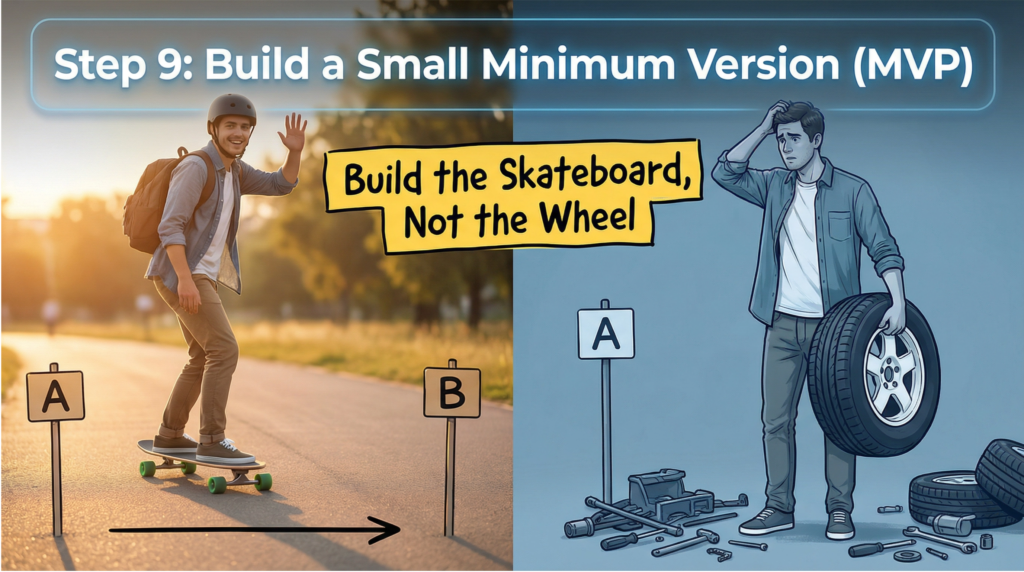
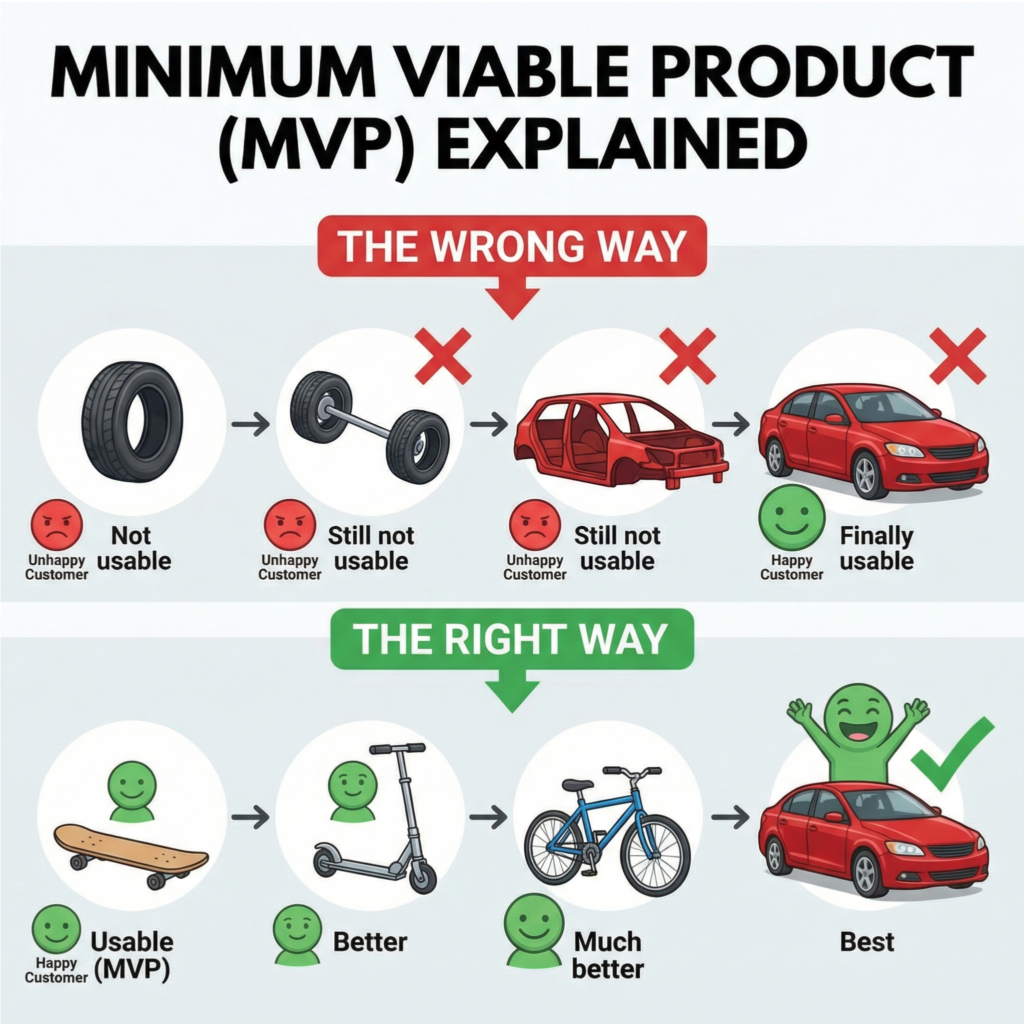
There is a famous drawing that explains the MVP perfectly.
If your customer needs to get from point A to point B, you don’t start by building them a single tire.
A tire is useless on its own.
Instead, you build them a skateboard.
A skateboard is simple, but it works. It solves their transportation problem.
Then, you get feedback. Maybe they want handlebars, so you build a scooter. Then they want pedals, so you build a bicycle.
Finally, you build the car. You are solving their problem at every single step.
Your MVP is your skateboard.
What is the absolute minimum you can create that helps your customer solve their main problem?
If you are creating a giant course on social media marketing, maybe your MVP is just a small PDF guide on how to write better Instagram captions.
If you are building a complex meal planning app, maybe your MVP is a simple spreadsheet template.
The goal is to deliver a quick win for your customer.
This is the fastest way for how to validate your digital product idea.
By building a small version, you learn so much.
You learn what people actually use.
You learn what they find confusing.
You learn what they are willing to pay for.
You can then use this learning to build the next version.
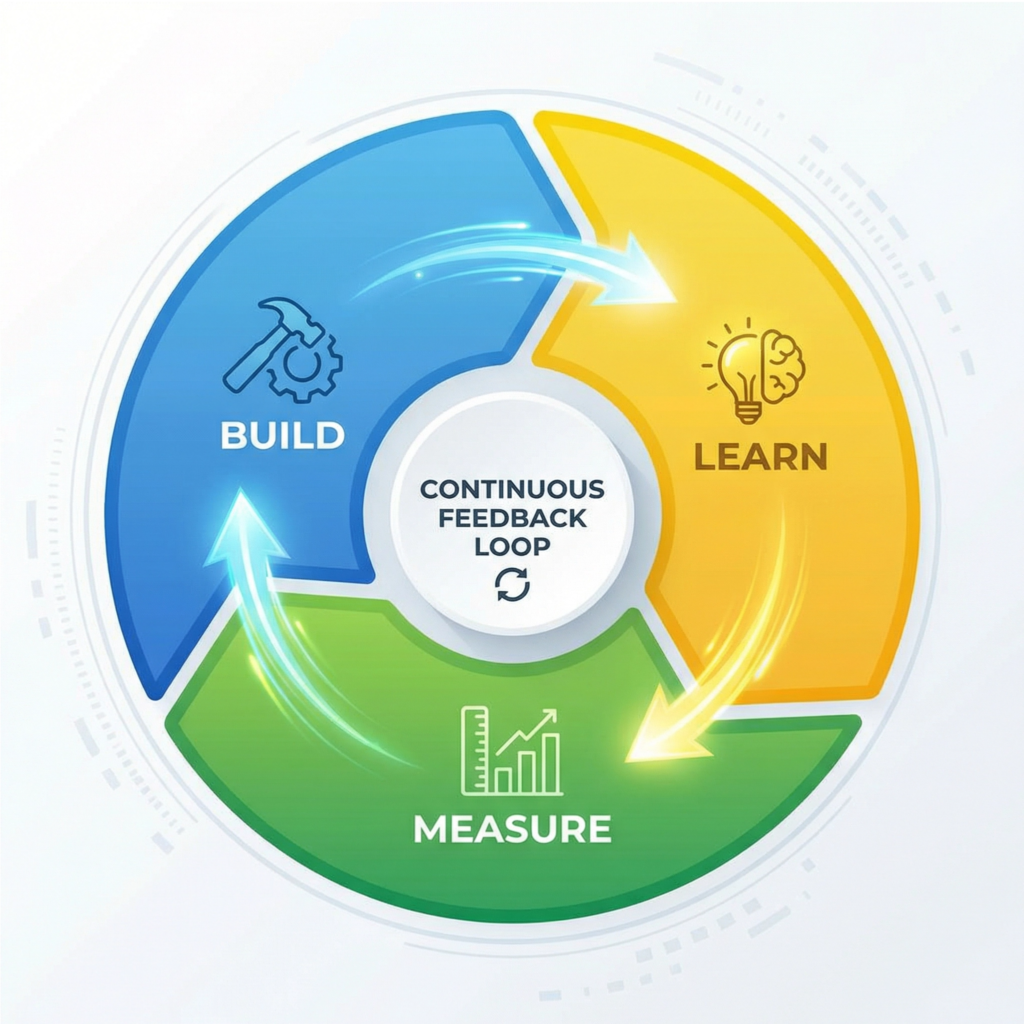
It’s a cycle of building, measuring, and learning.

Step 10: Collect Feedback and Improve
You have reached the final, and most important, part of the validation journey.
But this step never truly ends. Think of everything you have done so far as getting to the starting line of a race.
Now, the real race begins.
This is the process of collecting feedback and improving your product over and over again.
This is how to validate your digital product idea for the long term.
It’s a loop, not a straight line.
You build, you measure, you learn, and then you build again.

Feedback is a gift.
It’s not criticism.
It’s a roadmap that your customers are giving you for free.
They are telling you exactly what they want and need.
Your job is to listen carefully.
When you give your MVP to your first customers, you need to create a simple way for them to talk to you.
Don’t just send it and hope for the best.
Be proactive.
Reach out to them and ask for their honest thoughts.
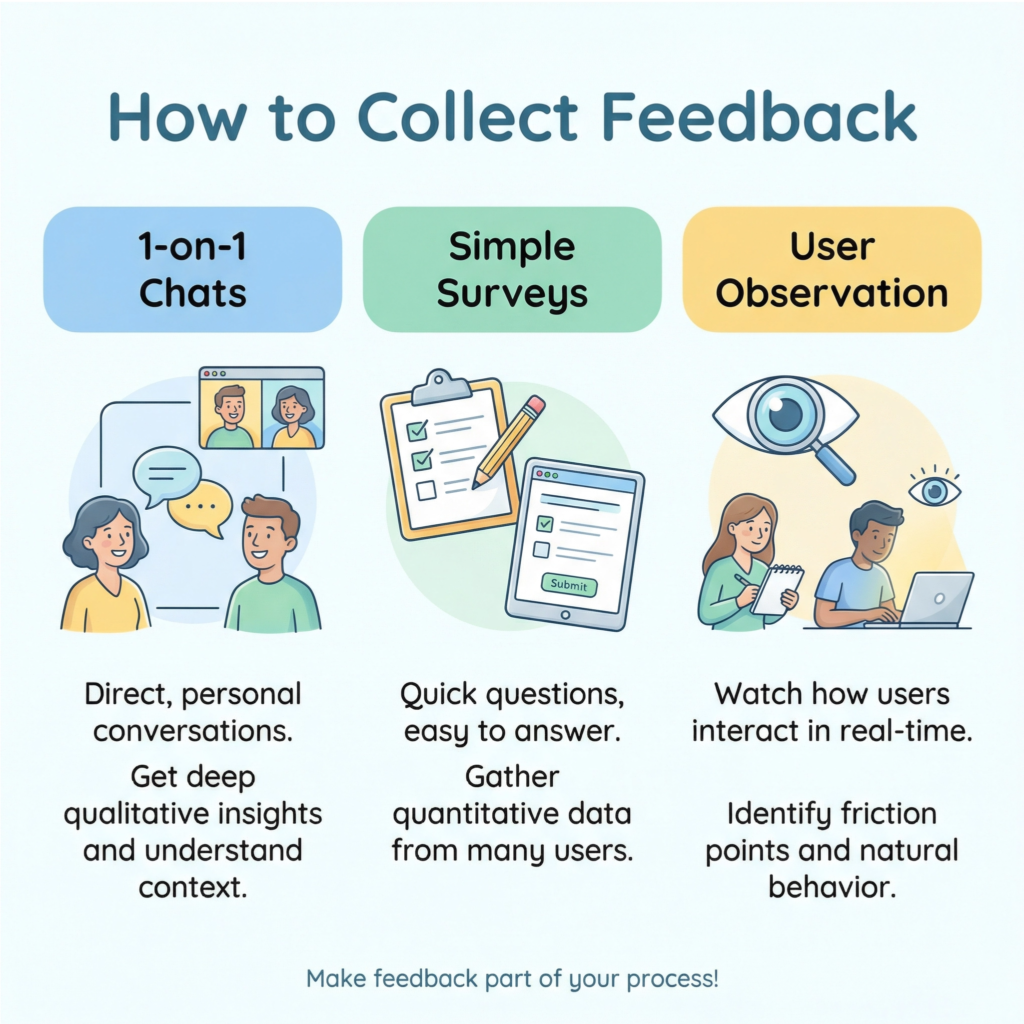
There are a few simple ways to do this:
- The 15-Minute Chat: Jump on a quick video call. Ask them open-ended questions like, “What was the most confusing part?” or “What was the best part?”
- The Simple Survey: Send a short, 3-question survey using Google Forms. Ask them to rate their experience and provide one suggestion for improvement.
- Watch Them Use It: If you can, watch a customer use your product for the first time. You will learn more in 5 minutes of observation than in an hour of conversation.
As you collect feedback, look for patterns.
If one person has an idea, it’s an opinion.
If five people have the same idea, it’s a priority.
Use these patterns to decide what to build or fix next. This is the famous “Build-Measure-Learn” loop.
You build the MVP.
You measure the feedback.
You learn what to do next.
Then you do it all over again. This is how great products are made.
Conclusion
And there you have it—a 10-step journey to take your idea from a whisper in your mind to a validated product with real customers.
We’ve covered everything from clarifying your idea and finding the core problem to testing your messaging and, most importantly, asking for the sale.
The fear of building something nobody wants is real, but it doesn’t have to be your story.
Validation isn’t a magic trick; it’s a simple, step-by-step process of listening to the right people and replacing your assumptions with real-world evidence.
Your brilliant idea deserves more than to just sit in a notebook. It deserves a chance to see the light of day. You now have the roadmap to do it with confidence.
You don’t need to do all ten steps at once.
Just pick one.
Maybe it’s writing down your “Who, What, Why.” Or perhaps it’s finding one Reddit thread where people are discussing your problem.
Or maybe you can text one friend who fits your ideal customer profile and ask them for a 15-minute chat.
Don’t wait for the perfect moment.
The journey from idea to income starts with a single, small step. Go take it.
We have only talked about a small part of how to validate digital product ideas, and there is still much more to learn. That is why it is included in our digital product guide, and we strongly suggest you read it to understand everything better.
![Read more about the article The Ultimate Guide to Content Repurposing Strategies That Save Time[2026]](https://basondha.com/wp-content/uploads/2026/01/Purple-Cyan-Modern-Neon-Gaming-Versus-YouTube-Thumbnail-31-768x432.png)