When I first learned how to create digital products, I realized I didn’t need a warehouse, inventory, or even a huge budget to start an online business.
All I needed was an idea, the right tools, and a clear process.
Digital products—whether ebooks, online courses, or templates—are amazing because you build them once and can sell them endlessly.
The idea of turning your knowledge into income is exciting, but the path often feels confusing and technical.
Where do you even start? This guide is your simple, step-by-step roadmap.
We will walk you through the entire journey, from brainstorming your unique skills to launching your finished product.
You’ll learn how to find an idea you’re passionate about, validate that people will pay for it, and create it without needing to be a tech expert.
Step 1: Brainstorm Your Skills and Passions
Before you can create a digital product, you need an idea.
And the best ideas don’t come from complicated market research. They come from you.
Think of this step as creating a treasure map.
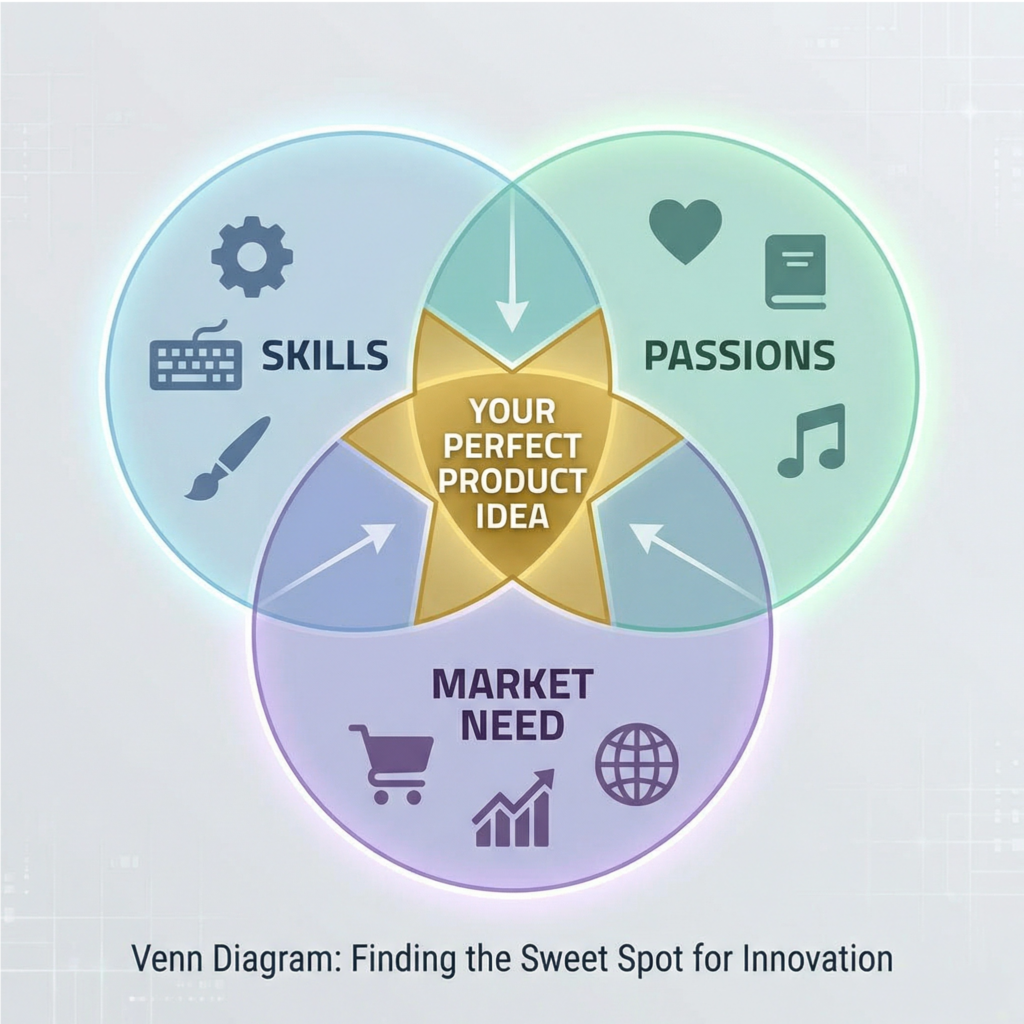
The treasure is your perfect product idea, and the map is made from your unique skills and passions. This is the most important first step in how to create digital products.
You are not looking for a random idea. You are looking for your idea.
The one that you are uniquely qualified to create and will be excited to work on.

Many people think they don’t have any skills worth selling.
That’s not true.
You have a lifetime of experiences that other people don’t. The trick is to uncover them.
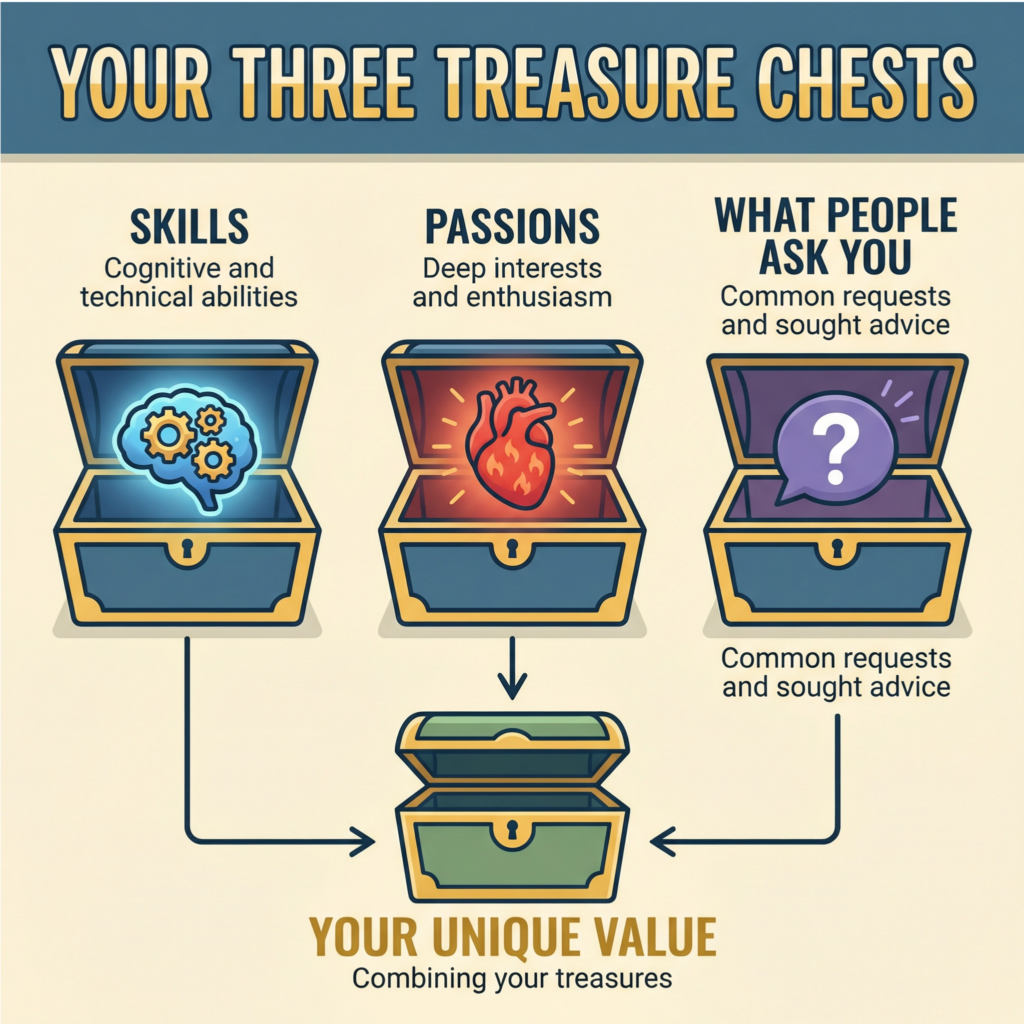
We can do this by opening three “treasure chests” of ideas.
The Skills Chest (The Things You Can Do)
What are you good at? This doesn’t have to be your day job.
Are you great at organizing your kitchen?
Do you know how to take amazing photos with your phone?
Can you write a killer email?
Make a list of everything you can do, big or small.
The Passions Chest (The Things You Love)
What do you do for fun?
What topics do you read about for hours?
What could you talk about all day without getting bored?
This is where your energy comes from.
Passion is contagious, and it will fuel you when things get tough.
The “Help Me” Chest (The Things People Ask You)
This one is a secret weapon.
What do your friends and family always ask you for help with?
Do they ask you to fix their computer?
Edit their resume?
Plan their vacations?
This is proof that people already see you as an expert.
Now, look at your lists.
Where do they overlap? The magic happens at the intersection.
If you are skilled at graphic design, passionate about fantasy novels, and people always ask you to make cool invitations, maybe your product is a set of fantasy-themed wedding invitation templates.
This is how to create digital products that feel authentic and are easier to sell.
Step 2: Research Your Target Audience
You have your treasure map of ideas.
Now, you need to find the people who want to buy your treasure. This is your target audience. Think of yourself as a detective.
Your job is to understand these people better than they understand themselves. This is a vital step in how to create digital products that people are excited to buy.
You are not creating a product for everyone. You are creating it for a specific person.
Your goal is to know that person so well that it feels like you are reading their mind.

Many beginners make the mistake of skipping this step.
They build a product they think people want.
But you are going to be smarter. You are going to listen first.
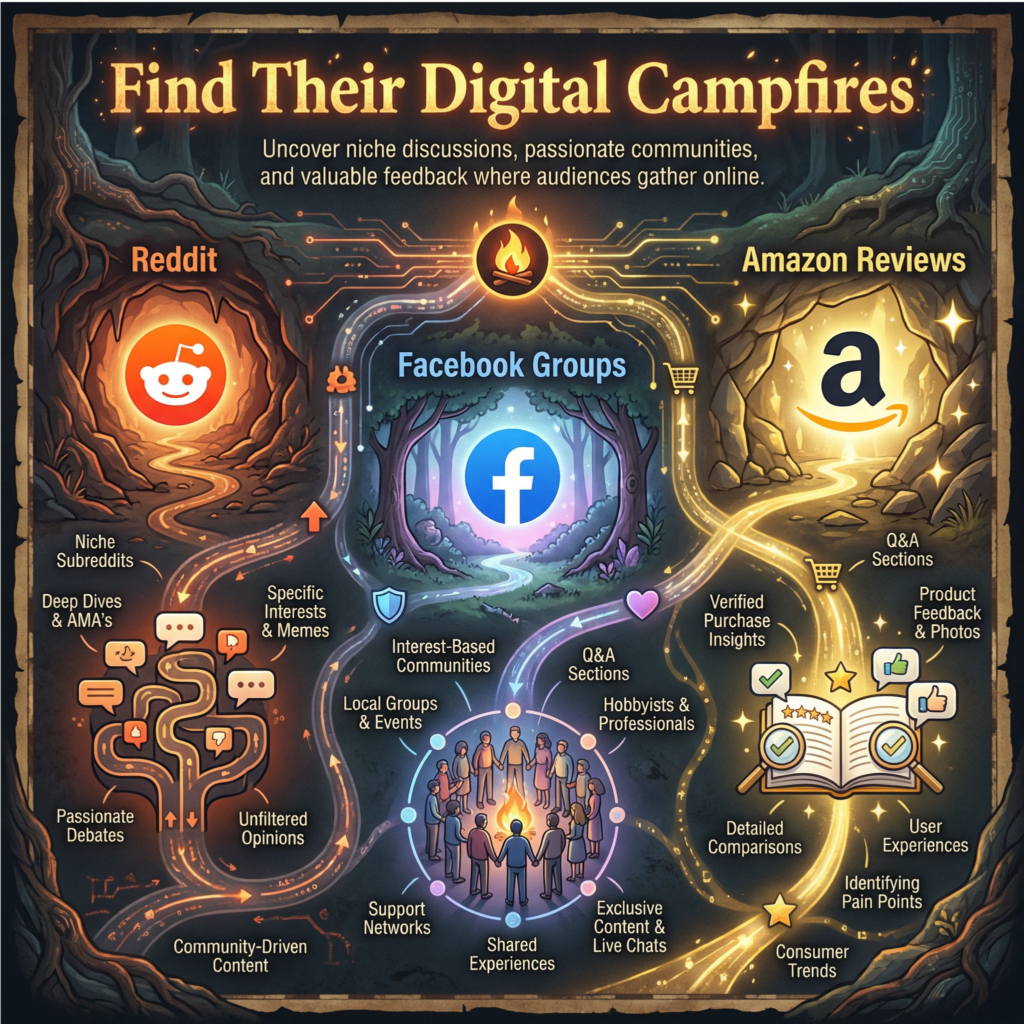
Where do these people hang out online? You need to find their digital campfires.
These are the places where they have real, honest conversations about their problems.
Here are a few great places to start your detective work:
- Reddit: Find subreddits related to your topic. Look at the most popular posts and the common questions people ask.
- Facebook Groups: Join groups where your ideal customers are active. Pay attention to the language they use and the frustrations they share.
- Amazon Reviews: Look up books related to your topic. Read the 3-star reviews. These are goldmines of information about what people felt was missing.
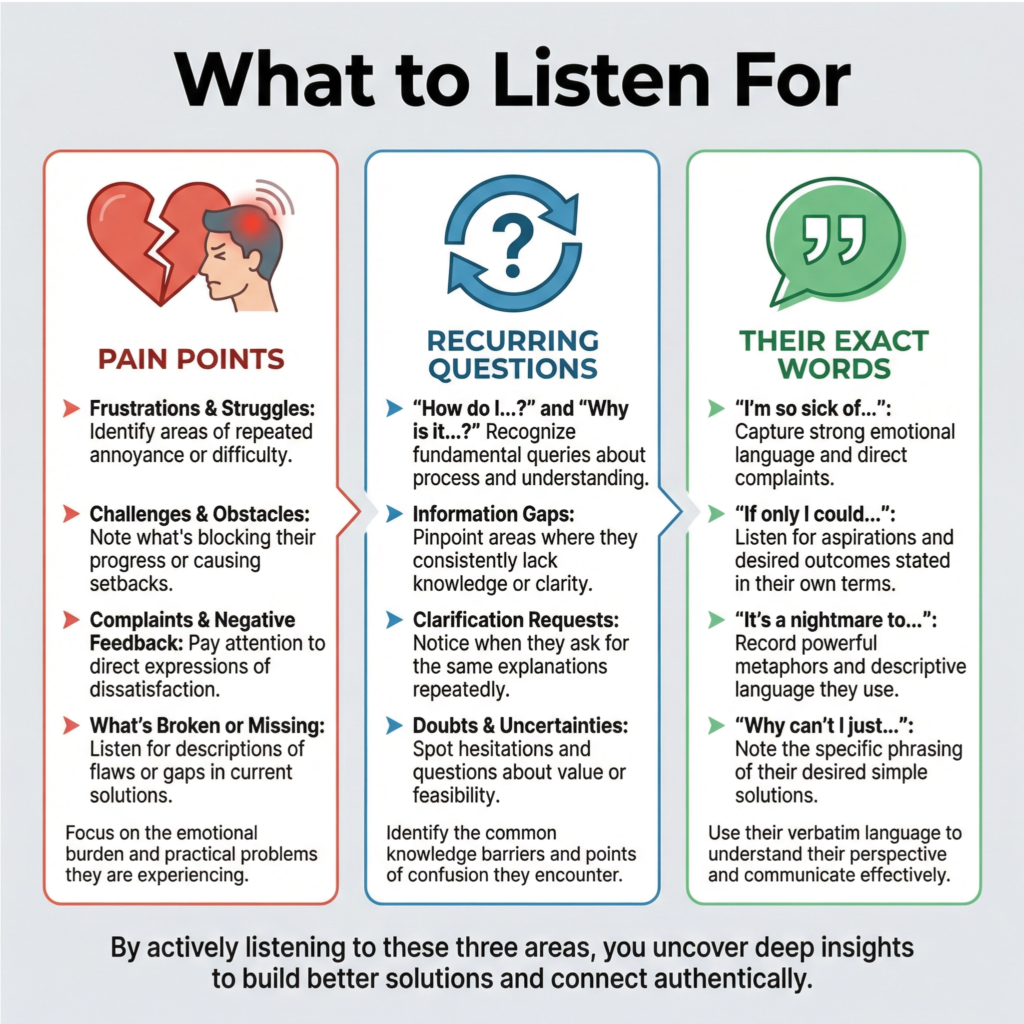
As you are listening, you are looking for specific clues.
You are looking for pain points.
What are they struggling with?
What are their biggest challenges?
What words do they use over and over again? Write these down.
This is the exact language you will use in your marketing later.
This is how to create digital products that resonate deeply with your audience.
You are not guessing what they need; you are hearing it directly from them.
Step 3: Choose the Right Format for Your Digital Product
You know who your audience is and what they are struggling with.
Now, you need to decide on the best way to deliver your solution. This is where you choose the format of your digital product.
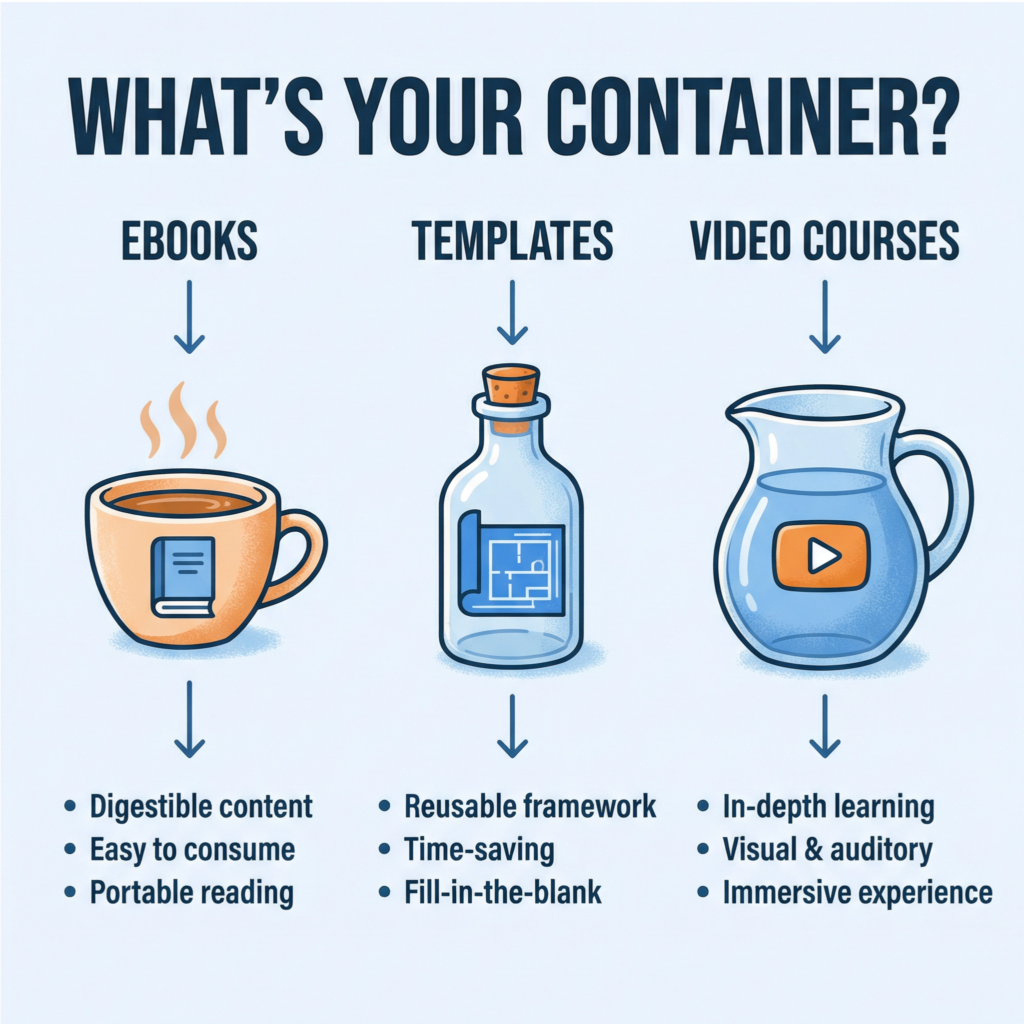
Think of your solution as water. The format is the container you put it in.
You could use a cup, a bottle, or a fire hose.
The right container depends on the person and the problem.
This is a key decision in how to create digital products because the format affects how your customer learns and how much you can charge.

Don’t just default to creating a massive video course.
That’s like trying to give someone a fire hose when they only need a cup of water.
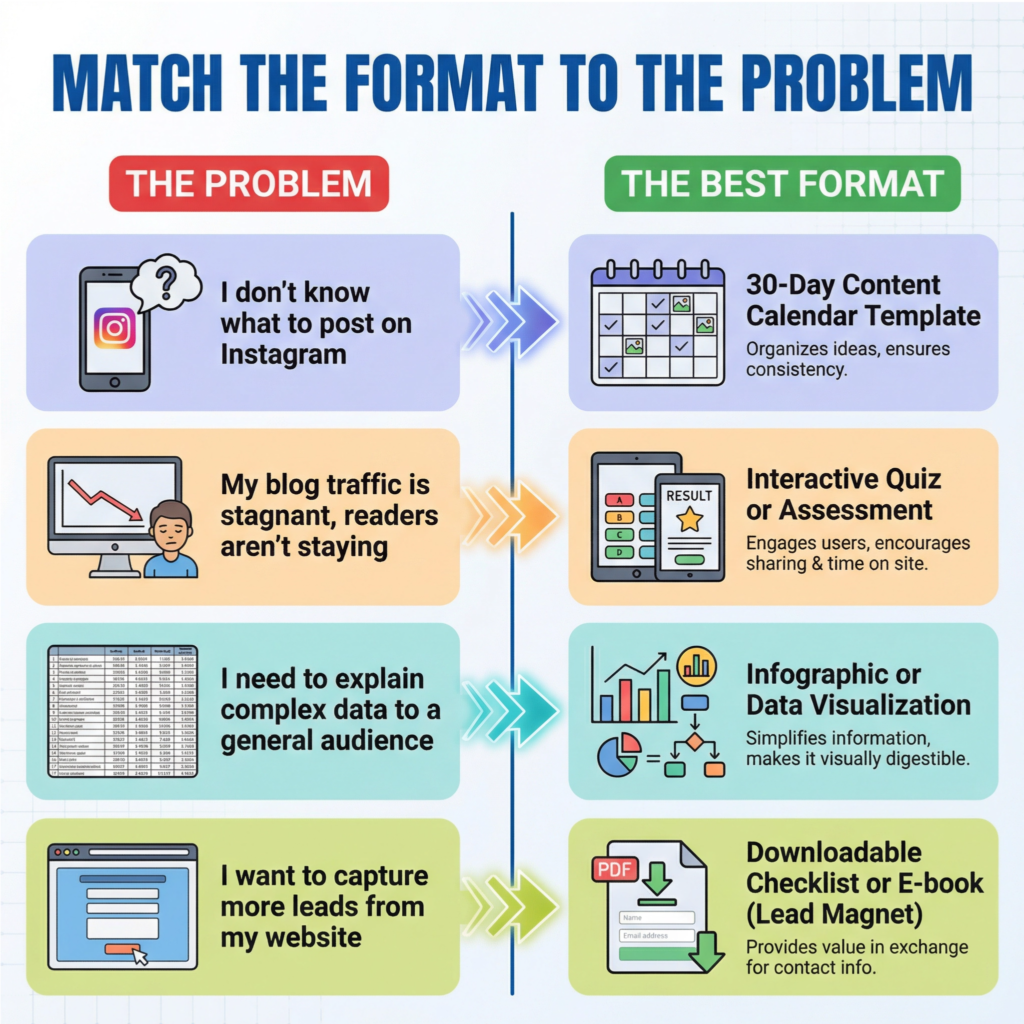
The best format is the one that gets your customer a result in the fastest and easiest way possible.
Your goal is to match the container to the problem.
Here are a few popular digital product formats:
Ebooks & Guides (The Cup)
Perfect for a quick, focused solution.
If your customer needs a simple answer to a specific problem, a short ebook or a one-page guide is a great choice.
They are easy to create and easy to consume.
Templates & Spreadsheets (The Bottle)
Great for saving people time.
If your audience is struggling with a process, give them a fill-in-the-blank template or a pre-made spreadsheet.
You are not just teaching; you are doing the work for them.
Workshops & Video Courses (The Jug)
Best for a deep transformation.
If your customer needs to learn a complex skill, a video course or a live workshop is the right format.
This requires more effort to create but can be sold for a higher price.
How do you choose?
Think about your audience.
Are they busy moms who need a quick checklist? Or are they aspiring professionals who want to master a new skill?
The format you choose is a critical part of how to create digital products that people will love. It shows that you understand their needs.
Step 4: Validate Your Digital Product Idea
This is the most important step in the entire process of how to create digital products.
It’s the step that most people skip, and it’s the reason most products fail.
Before you spend weeks or months creating something, you must get proof that people will actually buy it.
Think of it like this: you wouldn’t cook a giant, expensive meal for a dinner party without letting someone taste the sauce first.
Validation is your taste test. It’s how you check if your idea is delicious before you spend all your time and energy in the kitchen.

The biggest mistake you can make is to build your product in secret, perfect it for months, and then launch it to the sound of crickets.
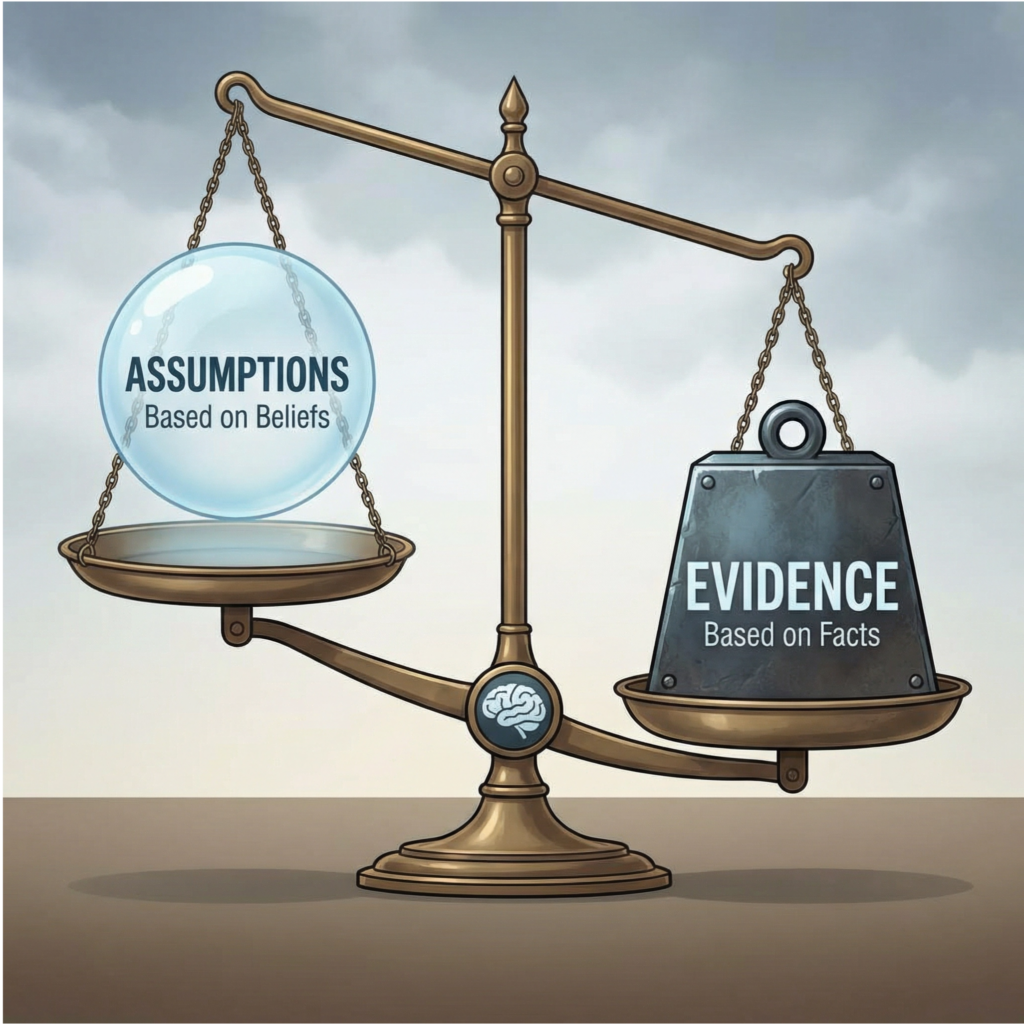
The goal of validation is to move from “I think people want this” to “I know people want this.”
You do this by replacing your assumptions with real-world evidence.
You don’t need a huge budget or a fancy marketing team to do this.
You just need to be brave enough to share your idea before it’s perfect.
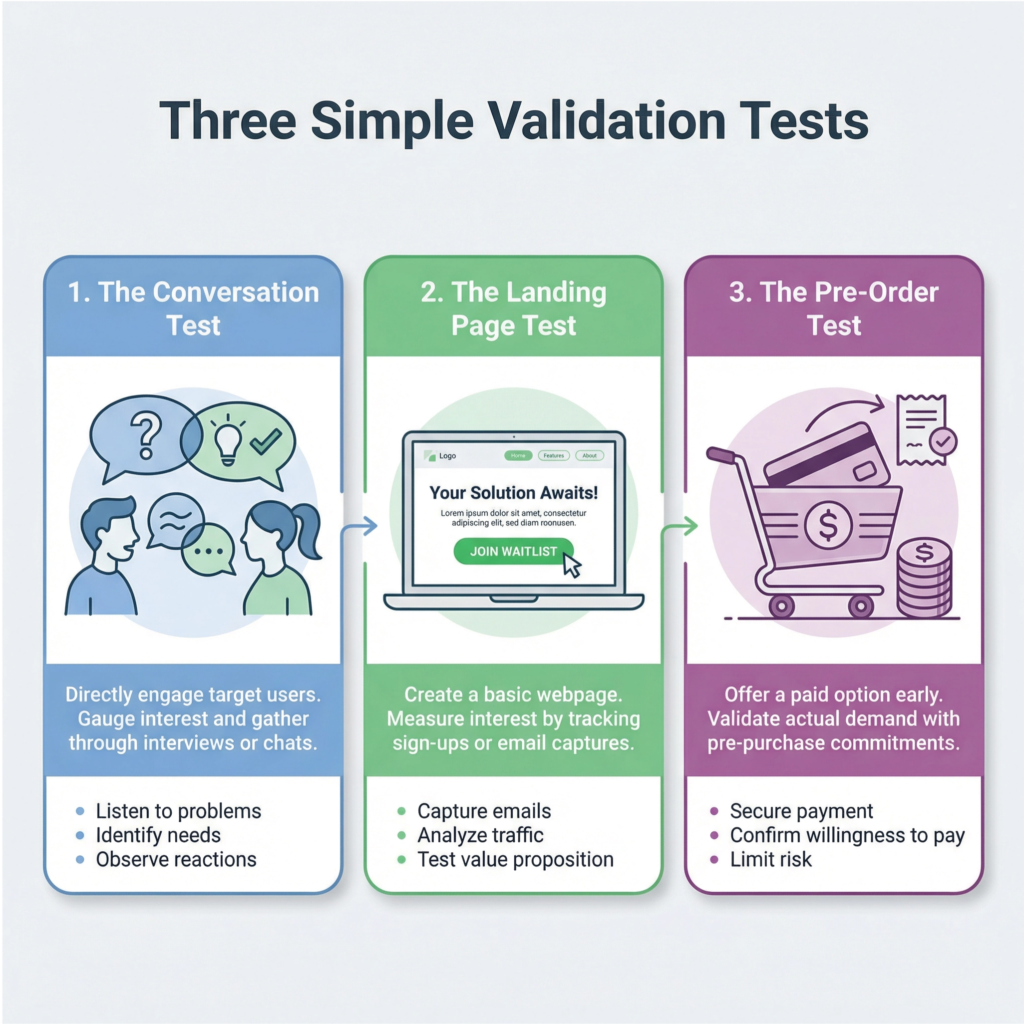
Here are three simple ways to validate your idea:
The Conversation Test
Talk to 5-10 people who you think are your ideal customers.
Don’t ask, “Would you buy this?” Instead, ask about their problems.
Say, “I’m exploring ideas around [your topic].
What’s the hardest part about that for you?” Listen for their frustrations.
The Landing Page Test
Create a simple one-page website that describes your product.
Include a headline, a short description, and a “Join the Waitlist” button.
If you can’t get people to give you their email address for free, they will never give you their money.
The Pre-Order Test
This is the ultimate validation.
Ask people to buy your product before it’s finished.
Offer a special discount for early supporters.
Even one pre-order is powerful proof that you have a winning idea.
Validation is how you create digital products with confidence. It’s your insurance policy against wasting time.
Step 5: Outline Your Content
You have a great idea, and you know who it’s for.
Now it’s time to build the roadmap. This is a crucial step in how to create digital products.
An outline is the blueprint for your product.
You would never build a house without a blueprint. It would be messy, confusing, and might fall down. Your digital product is the same.
An outline saves you from getting lost.
It ensures you deliver a clear, step-by-step transformation for your customer.
It turns a jumble of ideas into a clear path.

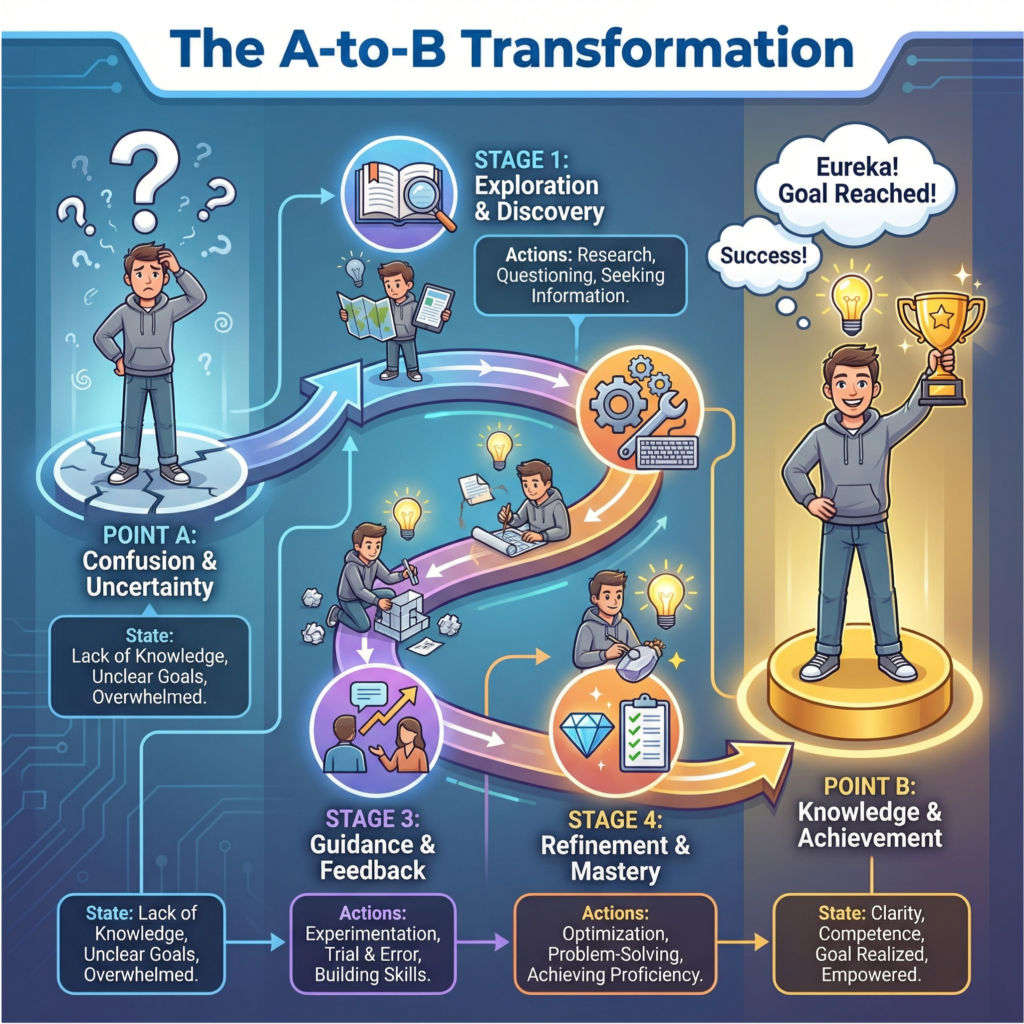
The best way to start is with a simple framework: The A-to-B Transformation.
Your customer is currently at Point A (they have a problem).
They want to get to Point B (they have the result).
Your digital product is the bridge that gets them there.
Your outline is the map for that bridge.
What are the exact steps they need to take to get from where they are to where they want to be?
Don’t try to teach them everything you know.
Just give them the essential steps.
Here’s how to create your A-to-B outline:
- Define Point B: What is the specific, tangible result your customer will have after using your product? Write this down in one clear sentence.
- Define Point A: Where is your customer right now? What are their biggest struggles and frustrations related to this topic?
- List the Milestones: What are the 3-5 major steps someone needs to take to get from Point A to Point B? These will become the main modules or chapters of your product.
- Break Down the Steps: Under each milestone, list the smaller, actionable steps. These will be your individual lessons or sections.
This process is the core of how to create digital products that actually work.
It forces you to be clear and concise.
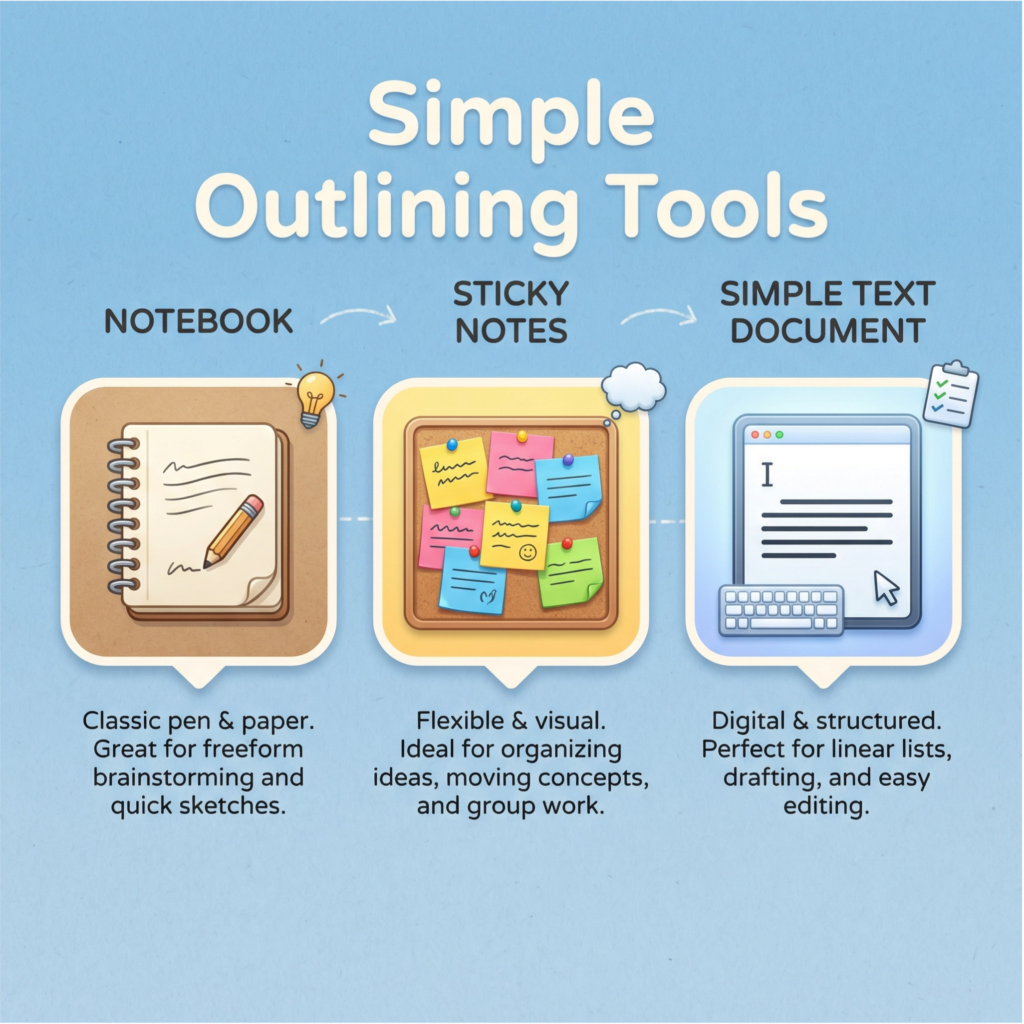
You can use simple tools for this. A Google Doc, a notebook, or even a wall of sticky notes works perfectly.
Step 6: Create Your Content
You have your blueprint.
Now it’s time to lay the bricks. This is the part of how to create digital products where your idea comes to life.
It can also be the scariest part.
The blank page is intimidating.
The biggest enemy here is perfectionism.
You might think you need a fancy camera, a professional studio, or a perfect script.
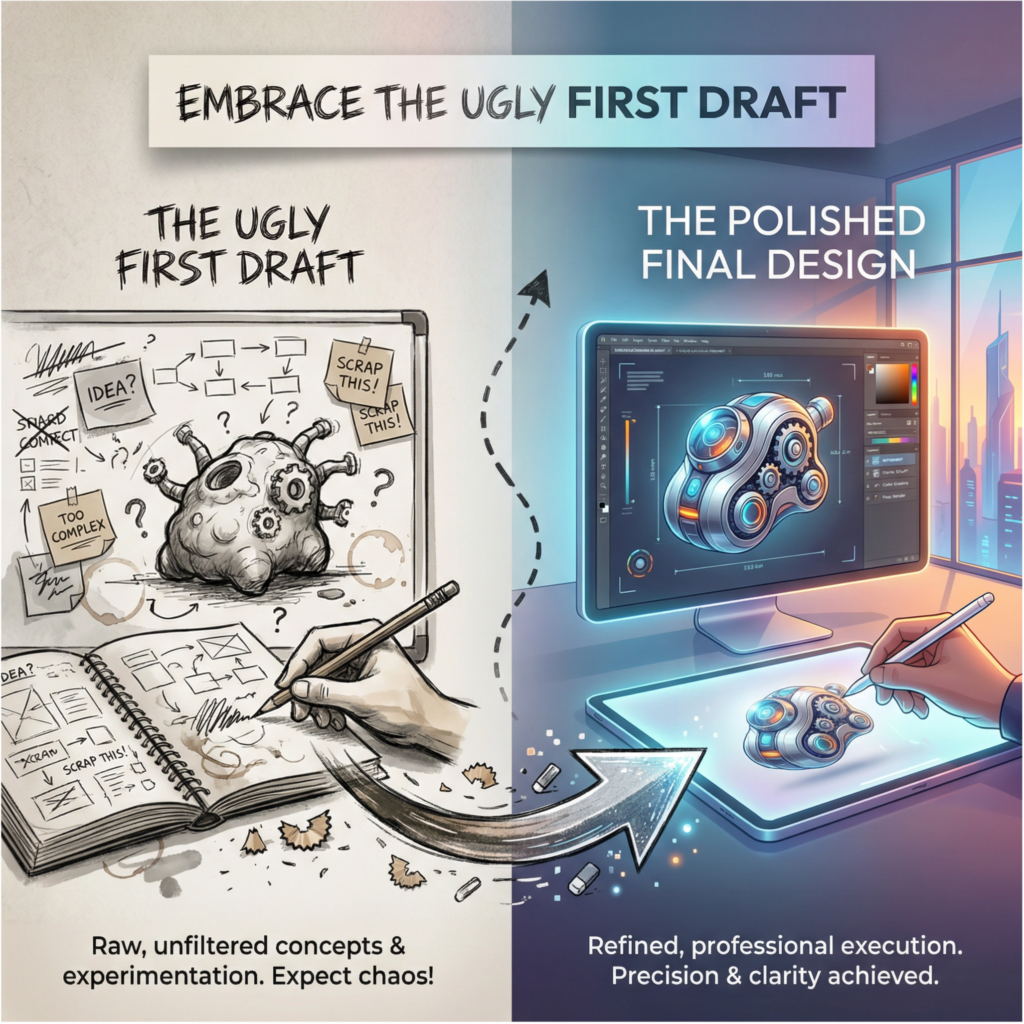
You don’t. Your goal right now is not to be perfect. Your goal is to get the first draft done.
Remember: done is better than perfect. The first version is supposed to be a little messy.

Think of it as building with LEGOs.
You don’t try to build the whole castle at once.
You connect one brick to another.
Focus on creating just one piece of your outline at a time.
If you’re writing an ebook, write one chapter.
If you’re making a video course, record one short lesson. This is the secret to how to create digital products without feeling overwhelmed.
Small, consistent progress is everything.
Celebrate each small win.
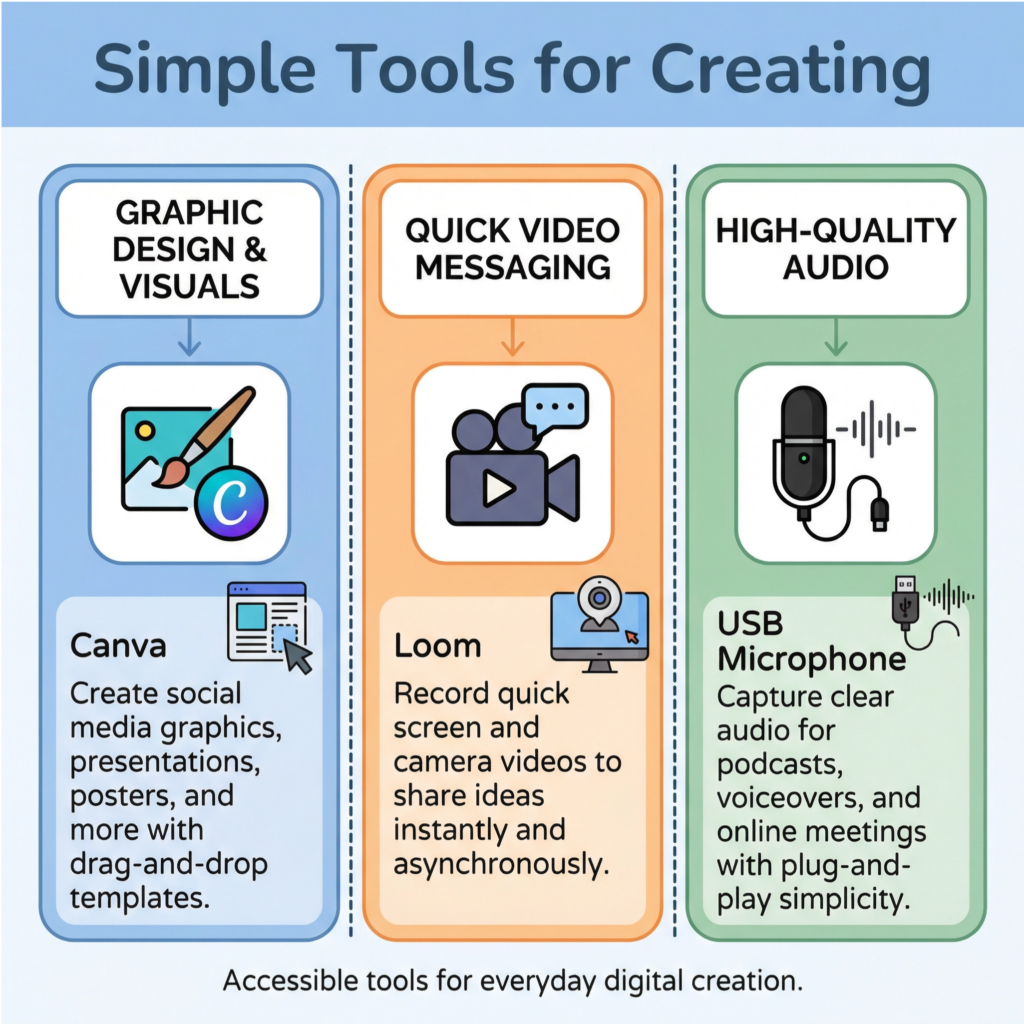
Here are some simple tools to get you started:
- For Ebooks & Guides: Use Canva or even Google Docs. You don’t need complicated design software. Simple and clean is better than fancy and confusing.
- For Video Lessons: Use Loom to record your screen. It’s free and incredibly easy. You can also use your smartphone’s camera. Just make sure you have good lighting and clear audio.
- For Audio: A simple USB microphone is all you need. The audio on your headphones often works great too.
When you create, talk or write like you’re explaining it to a friend.
Use simple words. Be yourself.
Your personality is a unique part of your product.
Don’t hide it behind formal language.
The most important thing is to start.
Step 7: Design and Package Your Product
Your content is the amazing gift.
Now, you need to put it in a beautiful box. This is a vital step in how to create digital products.
The design and packaging are the first things your customer sees.
It’s their first impression.
It signals the quality of what’s inside.
You could have the most life-changing content in the world, but if it looks messy and unprofessional, people will assume the content is messy and unprofessional, too.
Good design builds trust and makes your product feel valuable before they even open it.
But don’t worry. You do not need to be a professional designer.
The secret is to keep it simple.
Clean and simple always looks more professional than cluttered and complicated.
The goal is to make your content easy and enjoyable to read or watch.
Use lots of white space.
Choose one or two fonts that are easy to read.
Stick to a simple color palette of 2-3 colors.
Consistency is more important than creativity here.
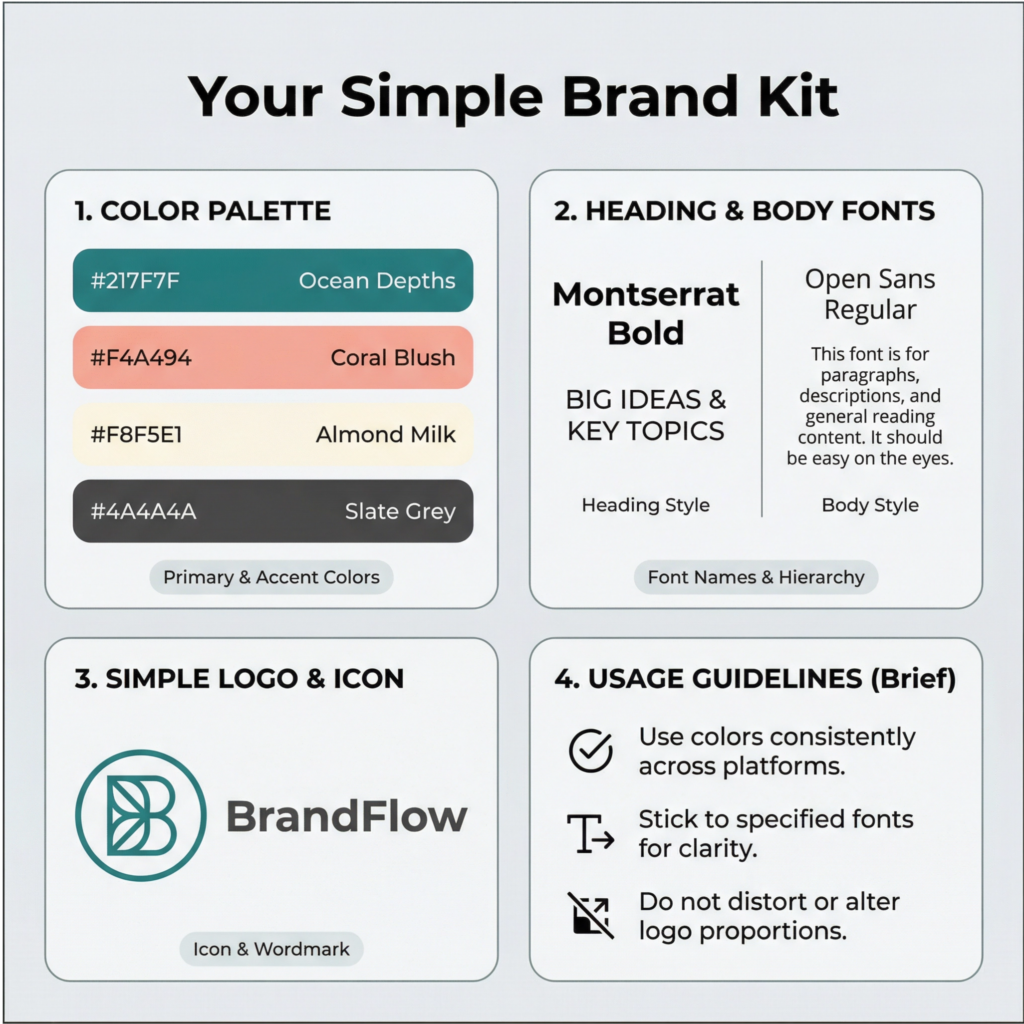
Here’s how to create a simple brand look:
- Choose Your Colors: Pick two main colors and one accent color. Use a free tool like Coolors to find palettes that look great together.
- Choose Your Fonts: Pick one font for headings and one for body text. Google Fonts has hundreds of free, professional fonts.
- Create a Logo: You can make a simple text-based logo in Canva for free.
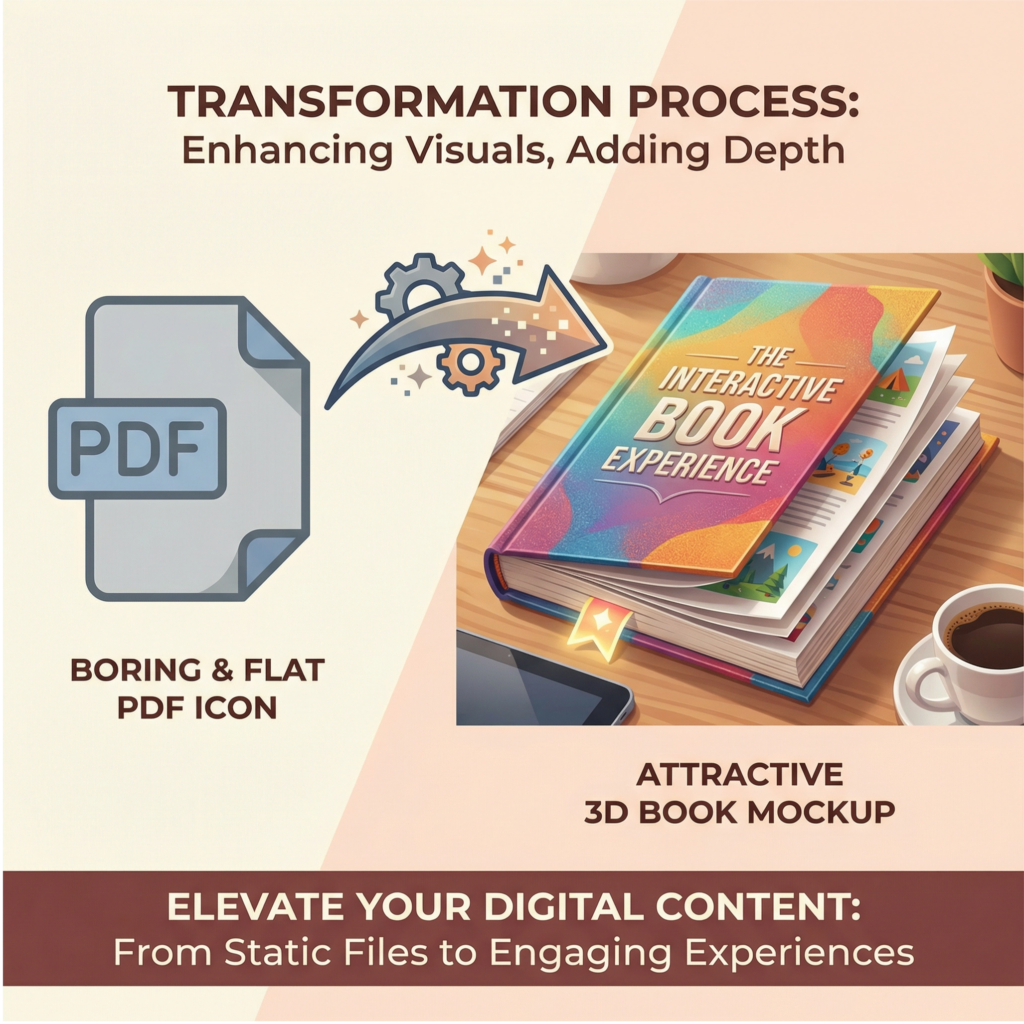
Once your product looks good, you need to create its “packaging.” This is the product mockup—the image you use on your sales page.
It’s how you show people what they are buying.
Never just show a picture of a PDF icon.
Turn that PDF into a beautiful image of a book or a workbook. This is a critical part of how to create digital products that sell.
People buy with their eyes first.
Step 8: Price Your Digital Product
This is the step that scares most new creators.
How much should you charge? It feels personal and complicated.
But pricing is a key part of how to create digital products.
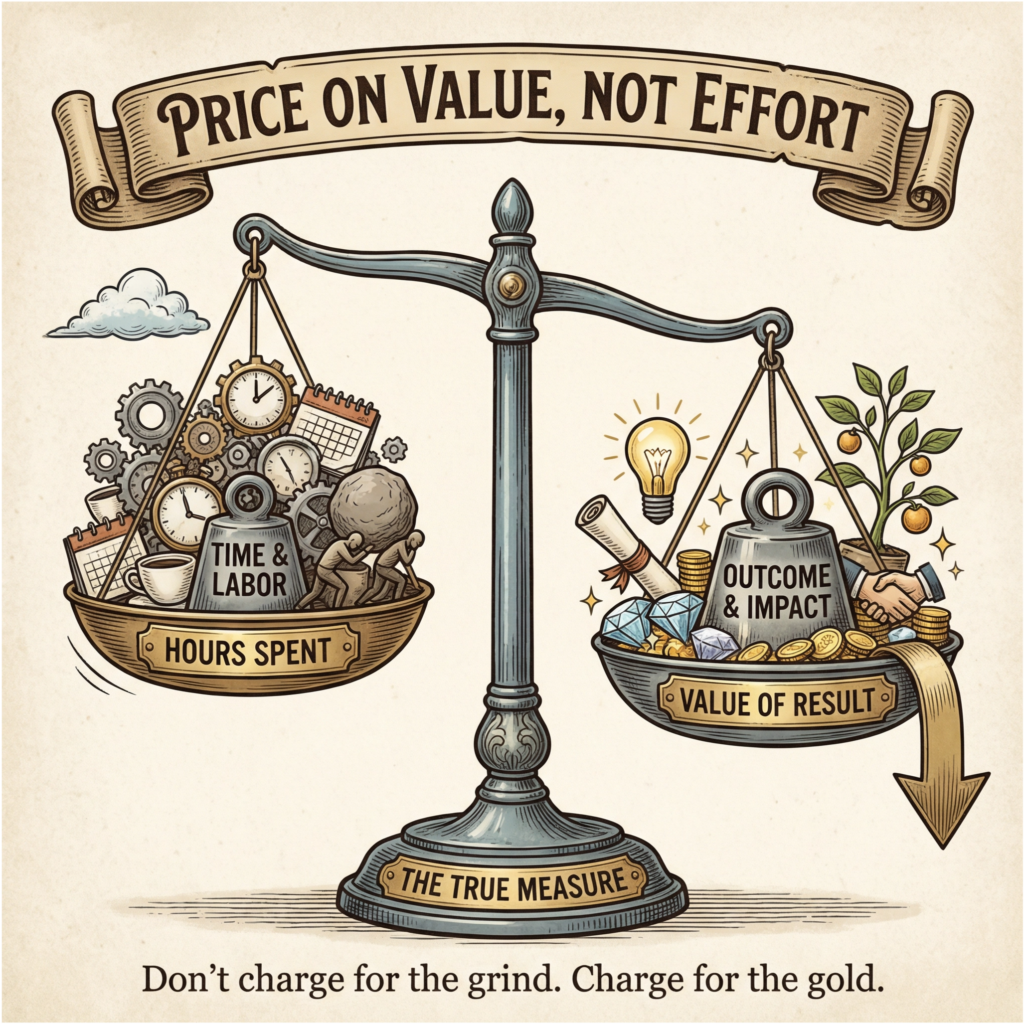
The biggest mistake beginners make is pricing too low.
They charge based on the hours they spent, not the value they provide.
Your price is not a reflection of your effort. It is a reflection of the value of the result you give your customer.
You are not selling a PDF or a video. You are selling a transformation, a shortcut, a solution to a painful problem.
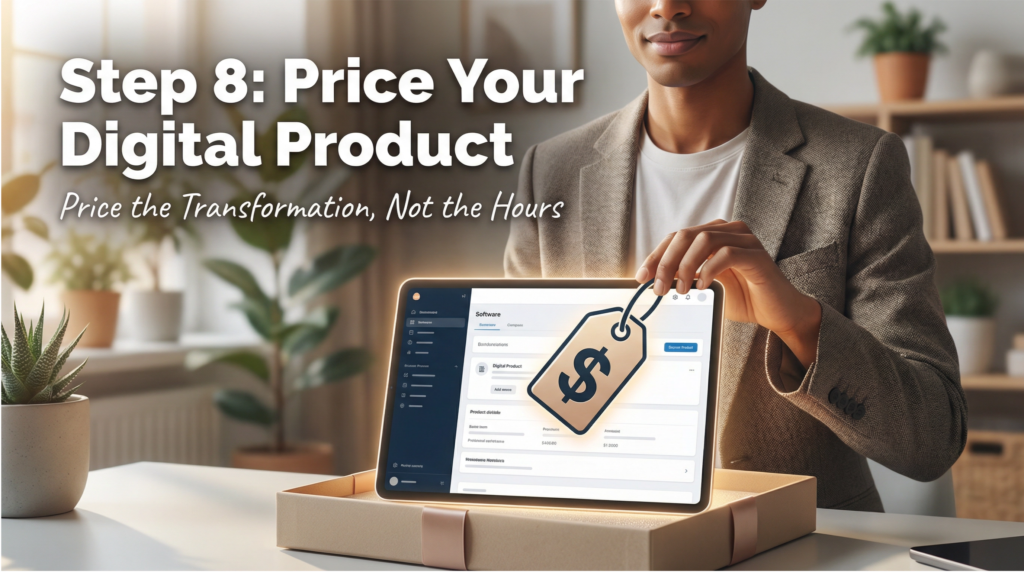
Think of it this way: if you had a key that opened a treasure chest with $1,000 inside, would you sell that key for $5? Of course not!
The key is worth much closer to $1,000 because of the result it provides.
Your product is that key. Don’t price the key; price the treasure.
A one-page checklist that saves a business owner 10 hours of work is far more valuable than a 10-hour video course that is confusing and delivers no result.
Price on value, not on length.
Here are a few simple strategies to price with confidence:
Look at the Market
What are other people charging for a similar result?
Don’t just look at their format.
Find 3-5 competitors and see their prices.
This gives you a ballpark range of what customers are used to paying.
Start with a Founder’s Price
For your first 20-50 customers, offer a special, lower price in exchange for testimonials.
This is a great way to get your first sales and build social proof.
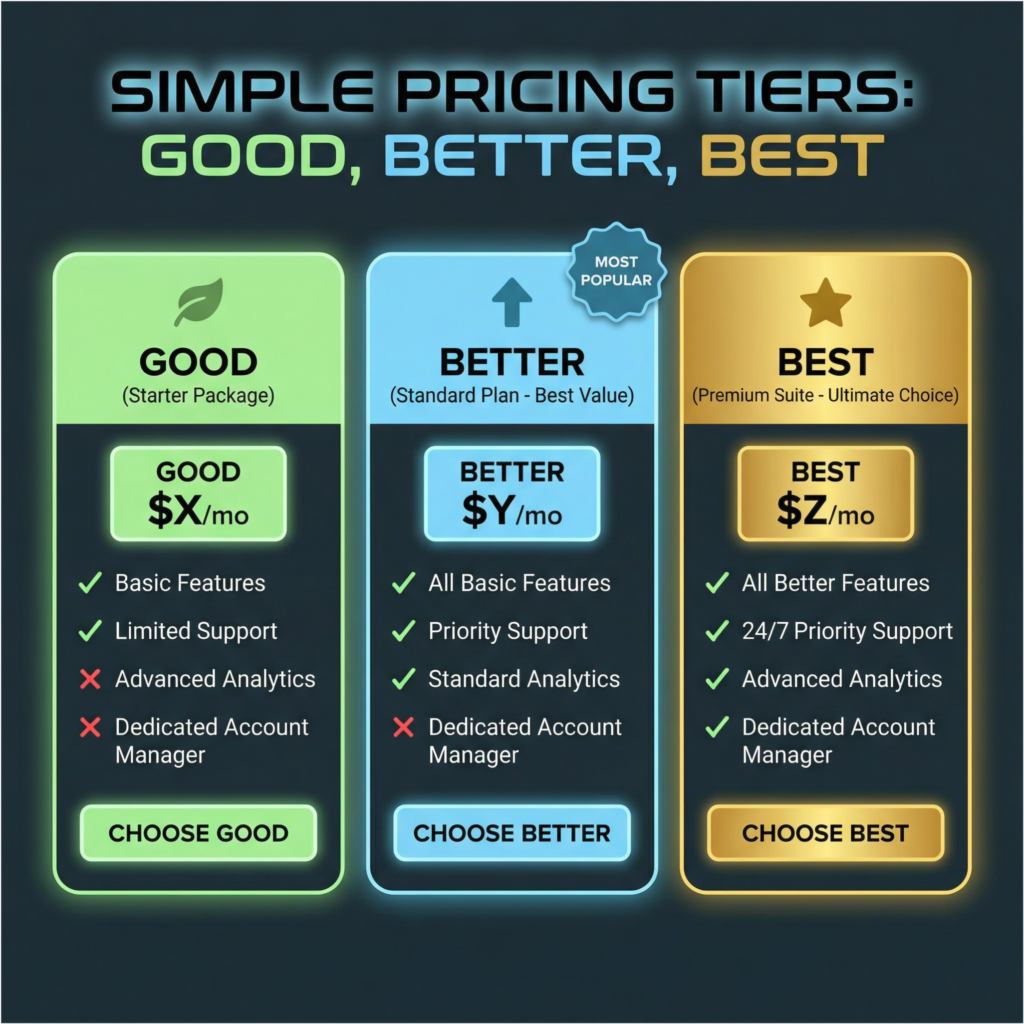
Offer Tiered Pricing
Create a “Good, Better, Best” option.
The “Good” tier could be the ebook.
The “Better” tier could be the ebook plus a workbook.
The “Best” tier could be the ebook, workbook, and a one-hour coaching call.
Pricing is a crucial skill in learning how to create digital products.
It’s okay to feel nervous, but don’t let fear make you undercharge.
It is always easier to lower a price than it is to raise it.
Step 9: Launch Your Digital Product
This is the moment. You’ve built your amazing product.
Now it’s time to share it with the world.
The word “launch” sounds big and scary. It brings up images of stressful, complicated events.
But for your first time, a launch is simply opening the door and inviting people inside. This is the final, most rewarding step in how to create digital products.
Your goal is not to have a perfect, blockbuster launch.
Your goal is to get your product into the hands of your first true fans. It’s about starting, not about a flawless finish.
Forget about a huge, public launch.
The best way to start is with a “soft launch.” This means you offer it to your warmest audience first.
These are the people who already know, like, and trust you. This is your email list.
They are the people who raised their hands and said they were interested.
They are your VIPs. Launching to them first is less stressful.
It allows you to get valuable feedback and your first testimonials in a safe, supportive environment.
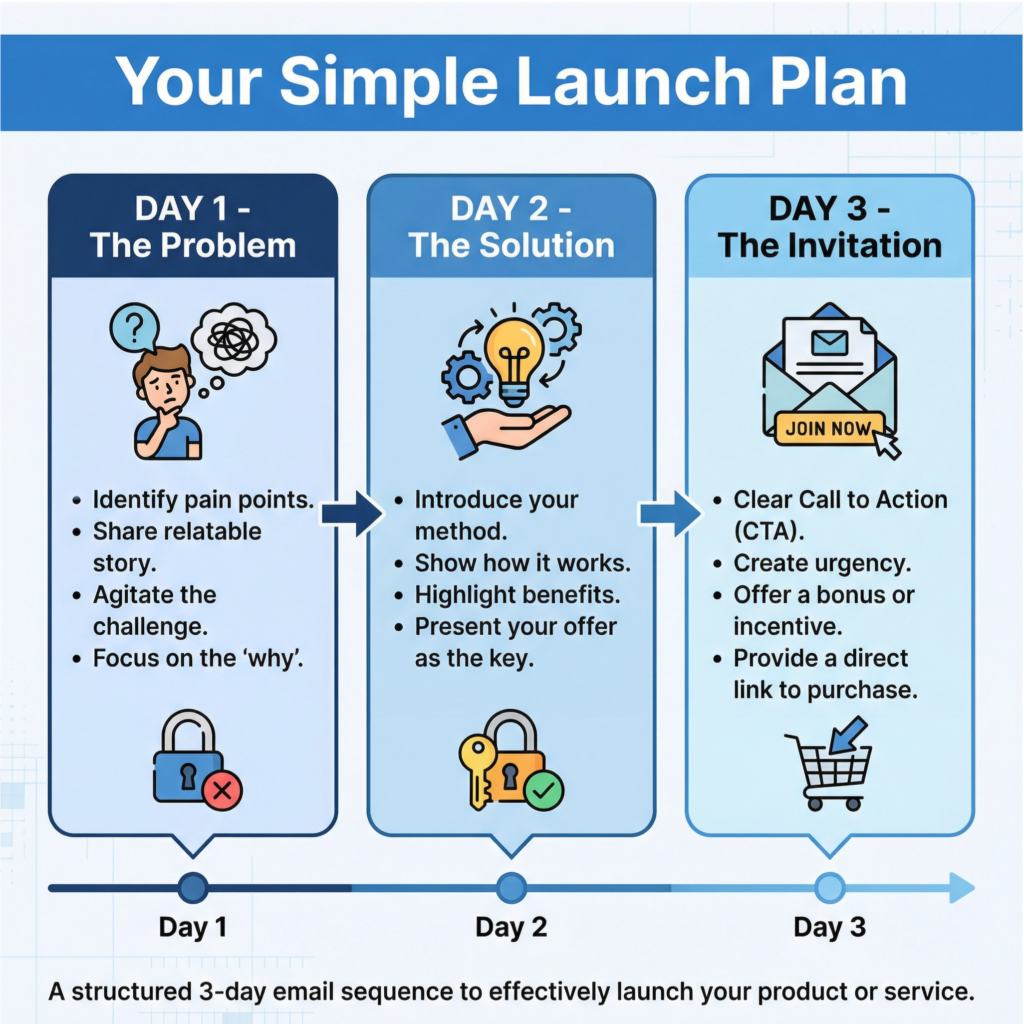
Here is a simple launch plan for your email list:
- The Hype Email: A few days before you launch, send an email telling them something new is coming. Talk about the problem your product solves.
- The Launch Email: This is the big one. Announce that the product is available. Clearly explain the transformation it provides and who it is for. Include a clear link to your sales page.
- The Reminder Email: A day or two later, send a gentle reminder. Share a testimonial if you have one, or answer a common question.
Learning how to create digital products is a journey, and launching is a huge milestone.
It’s okay to be nervous, but don’t let fear stop you from sharing your creation.
Hitting “publish” is a victory in itself.
Every big creator started with a small, imperfect first launch. Now it’s your turn.
Conclusion
You’ve just walked through the entire 9-step journey of creating a digital product.
You started with just your own unique skills and passions.
You learned how to find your audience, validate your idea, and build a solution they will actually pay for.
You now have the blueprint to create, package, price, and launch your very first digital product.
The path that once seemed confusing and overwhelming is now a clear, step-by-step roadmap.
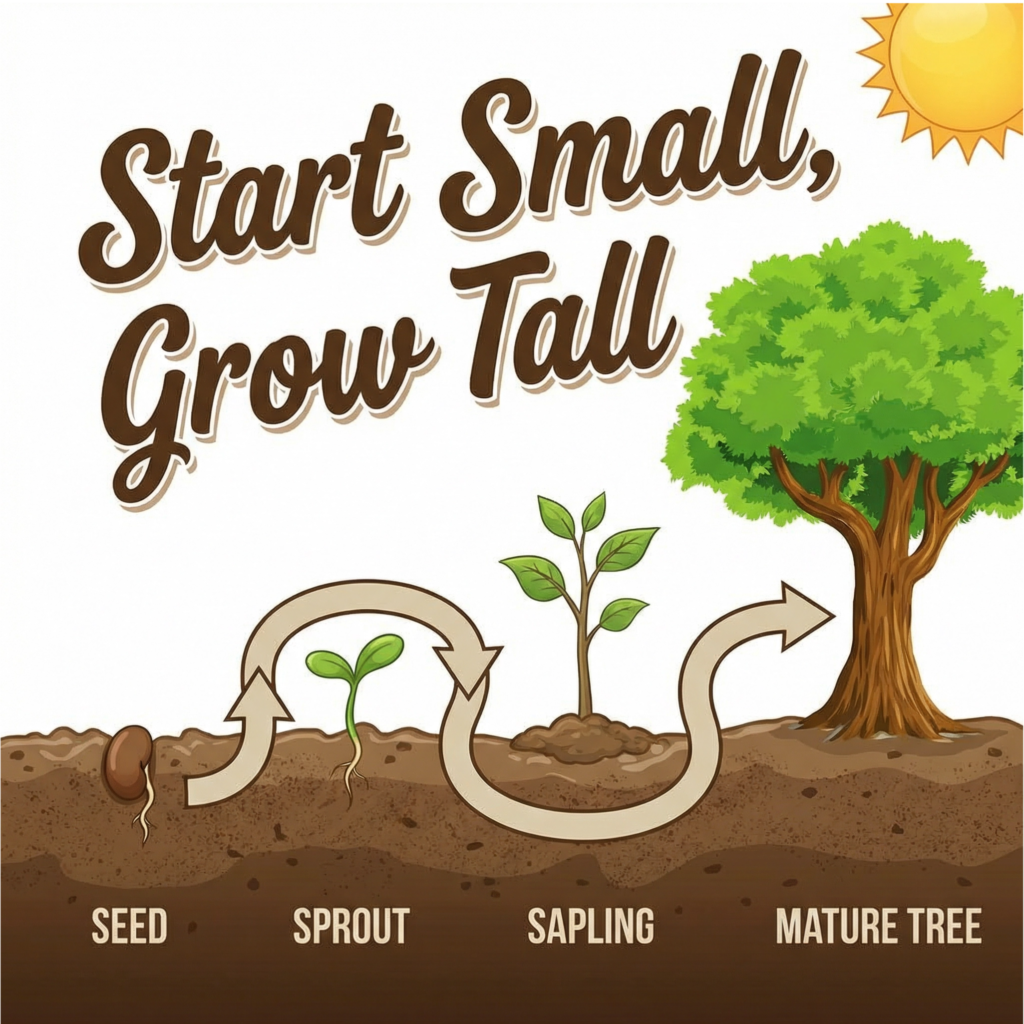
Creating a digital product is not a single, giant leap.
It is a series of small, manageable steps.
It’s about replacing guesswork with evidence and fear with action.
Your knowledge is valuable.
Your experience is unique.
There is someone out there right now who is struggling with a problem that you know how to solve.
They are waiting for you.
The only thing left to do is start. So, what is the one small step you can take today?
Don’t think about the whole staircase; just focus on the first step.
Will you spend 15 minutes brainstorming your skills?
Will you find one Reddit community where your ideal customer hangs out?
Will you write down the Point A and Point B of the transformation you provide?
Choose one. Do it now.
The journey from idea to income begins with that single action. Go take it.
We have only talked about a small part of how to create digital products, and there is still much more to learn. That is why it is included in our digital product guide, and we strongly suggest you read it to understand everything better.