Customer retention strategies focus on building strong relationships, improving customer satisfaction, and encouraging repeat business.
When customers do not feel valued or satisfied, they are more likely to switch to competitors who offer better experiences and stronger relationships. This is why understanding Customer Retention Strategies is essential for long-term business success.
In this blog post, you will discover practical and easy-to-apply strategies that help businesses build stronger relationships, improve customer loyalty, increase repeat purchases, and create a positive experience that keeps customers coming back again and again.
1. Provide Excellent Customer Service Every Time

Think of customer service as the heartbeat of your business. It is not just about fixing problems. It is about building relationships. When you provide excellent service, you show your customers you care. This is a core strategy for Customer Retention Strategies. Happy customers stay with you longer. They tell their friends about you. They become your biggest fans and advocates.
Good service starts with being helpful. It means listening carefully to what your customers say. It means understanding their needs and feelings. Sometimes, a customer just wants to feel heard. Even if you cannot solve their exact problem, being kind and understanding goes a long way. People remember how you made them feel. A positive feeling makes them want to come back.
Bad customer service, on the other hand, can quickly drive people away. One bad experience can undo months of good work. It is like building a beautiful sandcastle, only for one wave to wash it all away. In today’s world, bad experiences spread fast. People share their stories online. This can hurt your business more than you think. That is why every interaction matters.
So, how do you provide excellent service consistently? It starts with a few simple rules:
- Be Quick: Respond to questions and problems as fast as you can. Even a quick message saying, “We got your message and will be with you soon,” helps a lot.
- Be Clear: Use simple language. Avoid jargon. Make sure your answers are easy to understand and follow.
- Be Friendly: A warm, polite tone makes a big difference. Even in tough situations, stay calm and respectful.
- Be Knowledgeable: Know your product inside and out. This helps you give accurate and helpful advice.
- Go the Extra Mile: Sometimes, doing a little more than expected can create a “wow” moment. This is what people remember and talk about.
Now, think about your own business. What is one small thing you can do this week to make your customer service even better? Maybe it is setting a goal to respond to all emails within 24 hours. Or perhaps it is creating a simple guide for common questions. Make it a habit to always put your customers first.
2. Personalize the Customer Experience

Look at your customer list. Can you segment them into groups based on what they have bought or shown interest in? Start with one small group. Send them a personalized email using their name and suggesting a product they might genuinely love. Or, set a reminder to send a special offer on their next purchase anniversary. These small steps are powerful Customer Retention Strategies that build lasting relationships.
In today’s busy world, people are tired of being treated like everyone else. They want businesses to understand their unique needs and preferences. Personalization means tailoring your interactions, products, and offers to each individual customer. It is about showing them that you know who they are and what they like. This builds a deeper connection and trust. It moves your relationship from a simple transaction to a meaningful partnership.
So, how can you personalize the experience for your customers? You do not need complex technology to start. Small, thoughtful gestures can make a big difference.
Here are simple ways to personalize:
- Use Their Name: Always use your customer’s name in emails, messages, and even on your website if possible. It is a small detail that creates a big impact.
- Remember Their Preferences: If they bought a certain type of product before, suggest similar items. If they asked a question about a specific feature, follow up with more information on that topic.
- Send Relevant Offers: Do not send every customer the same discount. Offer deals on products they have shown interest in or purchased previously. This makes the offer feel like it was made just for them.
- Celebrate Milestones: Acknowledge their birthday or the anniversary of their first purchase. A small greeting or a special discount can create a memorable moment.
- Ask for Feedback (and Act on It): When you ask for feedback and then show you have listened by making changes, you are personalizing their experience. You are showing their opinion matters.
3. Create a Loyalty Program
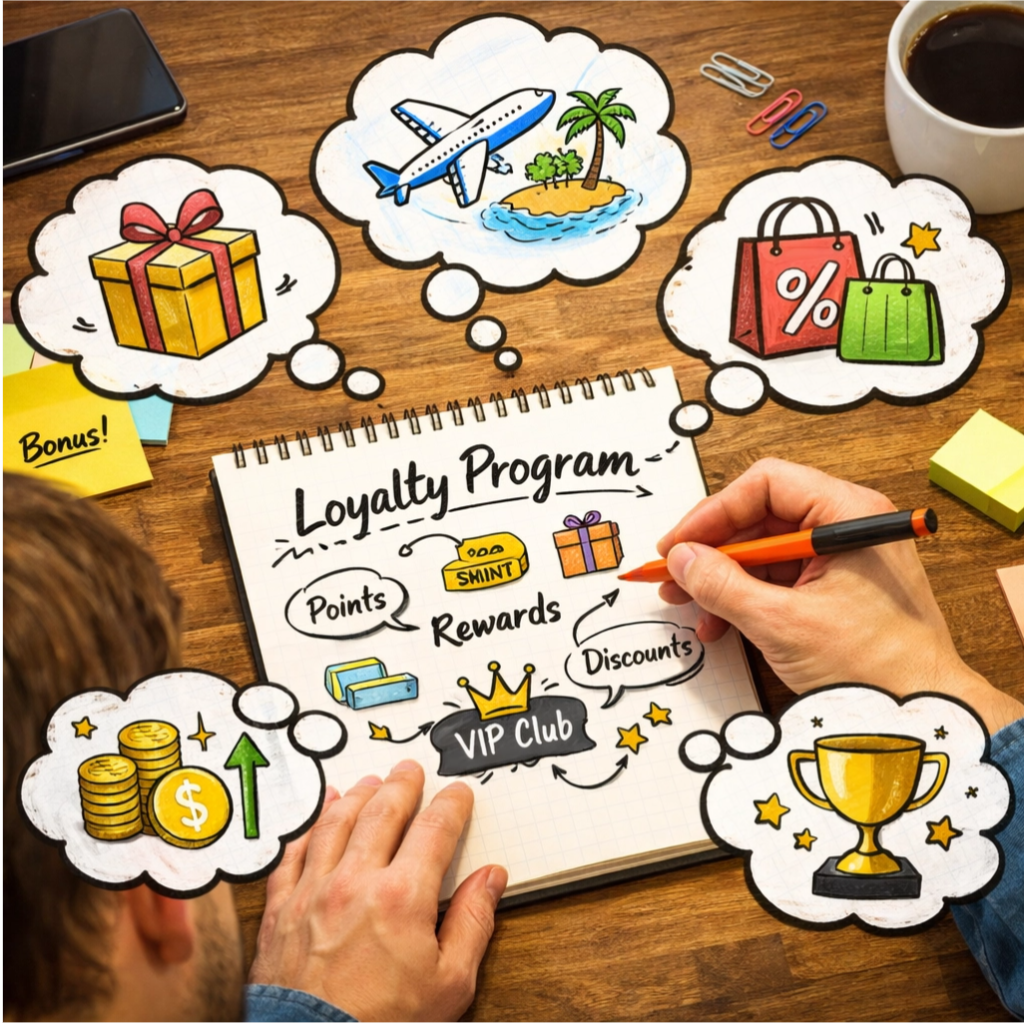
Brainstorm one simple loyalty program idea for your business. How will customers earn rewards? What will the rewards be? Start small. You can always grow and add more features later. The most important thing is to start rewarding your loyal customers. This is a key part of your Customer Retention Strategies.
Why are loyalty programs so effective? Because people love to feel valued. They love getting something extra. A loyalty program turns every purchase into a small win for your customer. It is a way of saying “thank you” for their continued business. This builds a strong emotional connection. It also makes it harder for them to switch to a competitor. Why go somewhere new when your current business gives you great rewards?
Loyalty programs do not have to be complex. You can start with something very simple. The goal is to make it easy for customers to understand and easy for you to manage. The best programs are clear about how customers earn rewards and what those rewards are.
Here are some simple ideas for a loyalty program:
- Points System: Customers earn points for every dollar they spend. These points can be exchanged for discounts or free products.
- Tiered Program: Customers reach different levels (e.g., Silver, Gold, Platinum) based on how much they buy. Each level unlocks better rewards.
- Exclusive Access: Offer loyal customers early access to new products, special content, or members-only events.
- Referral Program: Reward customers for bringing new customers to your business. This turns your loyal fans into your sales team.
When designing your program, think about what your customers truly value. Is it discounts? Exclusive content? A sense of community? Make sure the rewards are exciting and relevant to them. Promote your program clearly. Let your customers know how they can join and what benefits they will get. Make it a no-brainer for them to sign up.
4. Ask for Feedback and Actually Use It

Design a very short, 2-3 question survey to send to your customers next week. Ask them about one specific part of your product or service. Once you get responses, look for common themes. Pick one small, actionable suggestion and make a plan to implement it. Then, tell those customers who suggested it that you made the change. This simple act will boost your Customer Retention Strategies significantly.
Many businesses ask for feedback, but few truly act on it. This is a missed opportunity. When you ask for input, you are making a promise to your customers. You are saying, “Tell us what you think, and we will consider it.” If you then ignore their suggestions, they will stop giving feedback. They will feel like their time was wasted. This can damage your relationship and make them look for other options. But when you make changes based on their ideas, it is a powerful signal. It tells them they are part of your team.
So, how do you ask for feedback effectively and then make sure you use it?
First, make it easy for customers to share their thoughts. You can use simple surveys, direct emails, or even social media polls. Keep your questions clear and focused. Do not ask too many questions at once. Focus on specific areas you want to improve.
Second, create a system to collect and review the feedback. This does not have to be complicated. A simple spreadsheet can work. Look for patterns. Are many customers saying the same thing? That is a strong sign you need to make a change. Do not just focus on the negative. Celebrate the positive feedback too!
Third, and most importantly, act on the feedback. If you decide to make a change based on customer input, tell them! Send an email saying, “You asked, and we listened! Here is the new feature/improvement.” This closes the loop. It shows them their feedback led to a real improvement. This makes them feel valued and encourages them to continue giving feedback in the future.
Design a very short, 2-3 question survey to send to your customers next week. Ask them about one specific part of your product or service. Once you get responses, look for common themes. Pick one small, actionable suggestion and make a plan to implement it. Then, tell those customers who suggested it that you made the change.
5. Stay Connected Through Email Marketing
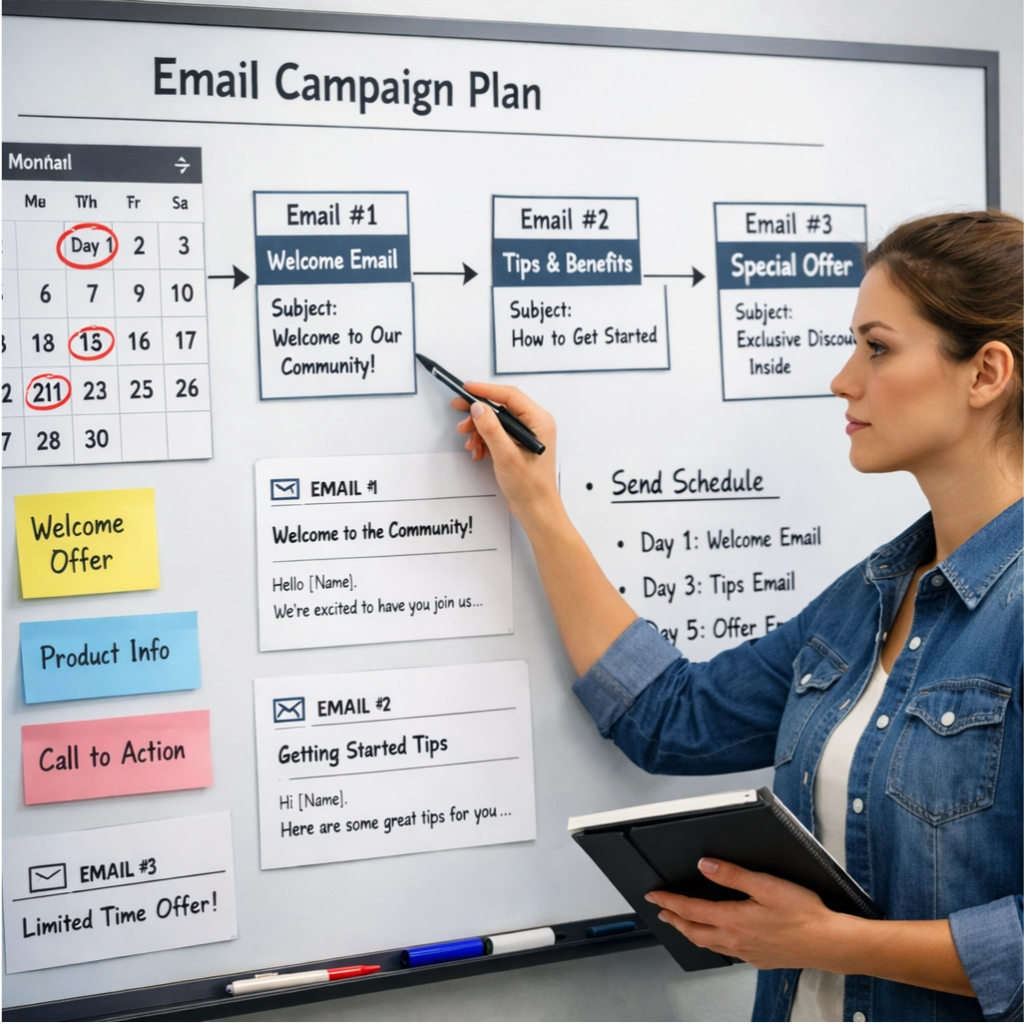
Plan your first email series for new customers. What three helpful emails can you send them after their first purchase? Write them out. Then, schedule them using your email marketing tool. This simple step will significantly boost your Customer Retention Strategies by keeping your customers engaged and feeling valued.
Unlike social media, where algorithms control who sees your content, email gives you a direct line to your customers’ inboxes. They invited you there. This makes email incredibly personal and effective. It is not just for selling. It is for building a community, sharing valuable information, and nurturing relationships. When done right, email marketing makes your customers feel like they are part of an exclusive club, not just another name on a list.
So, what kind of emails should you send to keep customers coming back?
- Welcome Series: When a new customer buys, send them a series of emails. Thank them, help them get started with their purchase, and share useful tips. This sets a positive tone from the start.
- Value-Packed Newsletters: Do not just sell. Share helpful content, industry insights, or behind-the-scenes glimpses of your business. Make your emails something they look forward to reading.
- Exclusive Offers: Reward your loyal subscribers with special discounts or early access to new products. This makes them feel appreciated and encourages repeat purchases.
- Re-engagement Campaigns: If a customer has not bought in a while, send them a friendly email. Ask if they need help, offer a special incentive, or remind them of what they are missing.
- Feedback Requests: As we discussed, asking for feedback through email shows you care and helps you improve. It is a two-way street.
The key is consistency and value. Do not bombard your customers with daily sales pitches. Instead, aim to provide consistent value. Educate them, entertain them, and occasionally offer them something special. Use a simple email service provider like ConvertKit or MailerLite to manage your list and send professional-looking emails. These tools make it easy to automate your emails, so you can set them up once and let them work for you.
6. Deliver Consistent Quality

Pick one part of your product or service that you deliver regularly. Write down the exact steps you take to ensure its quality. Now, look for one small way to make that process even more consistent. Maybe it is creating a simple checklist or setting a reminder to review it weekly. This dedication to consistent quality is a powerful Customer Retention Strategy that will keep your customers coming back for more.
Consistent quality means that every time a customer interacts with your business, they get the same high standard. This applies to everything: your product, your customer service, your website, and even your emails. It is not about being perfect all the time. It is about being reliably good. It is about meeting the expectations you have set for your customers, every single time. This builds confidence and reduces anxiety for your customers. They know what to expect, and they like what they get.
Why is consistency so important for keeping customers? Because it removes risk. When a customer buys from you, they are taking a small risk. They are hoping your product will solve their problem. If your quality is inconsistent, that risk feels bigger. They might think, “Will it be good this time?” But if your quality is always high, that risk disappears. They can buy from you with peace of mind. This makes their decision to choose you again much easier.
So, how do you ensure consistent quality?
- Standardize Your Processes: Have clear steps for how you create your product or deliver your service. This helps everyone on your team (even if that is just you!) follow the same high standards.
- Regular Checks: Periodically review your product and service. Ask yourself: Is it still meeting my own high standards? Is it still solving my customers’ problems effectively?
- Listen to Feedback: As we discussed, customer feedback is a goldmine. It tells you exactly where your quality might be slipping or where you can improve.
- Invest in Improvement: Do not be afraid to spend time or money to make your product or service better. Small, continuous improvements add up to big gains in quality over time.
7. Surprise and Delight Your Customers

Think about your last 5-10 customers. What is one small, unexpected thing you could do for them this week? Could you send a quick, personalized email? Drop a free bonus into their next order? Or simply send a public thank you on social media? Choose one idea and make it happen. Watch how these small acts of kindness transform your customer relationships.
In a world full of choices, customers often choose businesses that make them feel good. A surprise and delight moment is like a burst of sunshine on a cloudy day. It creates a positive memory that stands out. These moments are not about grand gestures or expensive gifts. They are about thoughtfulness and showing you care. They turn a transactional relationship into a personal one. This makes customers not only want to come back but also tell everyone they know about their amazing experience with your brand.
Why is this so effective for keeping customers? Because it taps into human emotions. People love surprises, especially positive ones. When you give them something unexpected, it triggers feelings of gratitude and happiness. This positive emotion becomes linked to your brand. It makes them feel like they are part of something more than just a business. They become advocates, sharing their stories and bringing new customers to your door.
So, how can you surprise and delight your customers? It does not have to break the bank. Small, unexpected gestures often have the biggest impact.
Here are simple ideas to surprise and delight:
- Handwritten Notes: A quick, personal thank-you note with an order can make a huge difference.
- Small, Unexpected Gifts: Include a free sticker, a sample of another product, or a piece of candy with their purchase.
- Early Access: Give loyal customers early access to new products or content before anyone else.
- Personalized Recommendations: Send them a personalized email with product suggestions based on their past purchases, just because you thought of them.
- Public Shout-Outs: If they share your product on social media, give them a public thank you or share their post.
The key is that the gesture should be unexpected. If it becomes an expectation, it is no longer a surprise. These moments are about creating genuine joy and showing your customers that you value them beyond their purchase.ing relationships and is a powerful Customer Retention Strategy.
8. Build a Community Around Your Brand

Choose one platform where your ideal customers already spend time (e.g., Facebook, Discord). Create a simple, private group for your customers. Set clear rules for respectful interaction. Start by posting a welcome message and asking a simple question to get the conversation going. This small step can ignite a powerful community that fuels your Customer Retention Strategies for years to come.
In today’s digital world, people crave connection. They want to feel like they are part of something bigger than themselves. Your brand can be that rallying point. When customers connect with each other because of your product, they become more invested. They share their experiences, offer support, and even create content for you. This organic engagement is priceless. It makes your brand more than just a product; it makes it a lifestyle, a shared passion.
Why is community so effective for keeping customers? Because it creates a sticky experience. When customers are part of a community, they get value beyond just the product itself. They gain friendships, knowledge, and a sense of identity. Leaving your brand would mean leaving their community. This makes the decision to stay much easier. It also provides a built-in support system, where customers can help each other, reducing the burden on your customer service.
So, how can you build a thriving community around your brand?
- Create a Dedicated Space: This could be a private Facebook group, a Discord server, a forum on your website, or even a dedicated Slack channel. The key is to have a place where members can interact easily.
- Facilitate Interaction: Don’t just create the space and leave it. Ask questions, start discussions, and encourage members to share their experiences. Be an active participant yourself.
- Offer Exclusive Value: Give community members something special. This could be early access to new products, exclusive content, special discounts, or members-only Q&A sessions. Make it clear that being part of the community has unique benefits.
- Celebrate Members: Highlight success stories, share user-generated content, and recognize active members. Make them feel like stars.
- Listen and Act: Use the community as a source of feedback. When members see their suggestions being implemented, it strengthens their bond with your brand.
9. Offer Subscription Options

Look at your current product or service. Is there a part of it that could be offered as a recurring subscription? Could you create a monthly membership for exclusive content, ongoing support, or regular updates? Brainstorm one simple subscription idea. Outline the benefits for your customers and how you would deliver consistent value. Offering subscription options is a powerful way to boost your Customer Retention Strategies and build a more stable business.
Why are subscriptions so effective? Because they simplify life for your customers. They remove the need to remember to reorder. They often come with special benefits, like discounts or exclusive access.
Subscriptions are not just for physical products. Many digital products and services can also benefit from a subscription model. Think about software, online courses, exclusive content libraries, or even monthly coaching programs. If your product provides ongoing value, a subscription can be a natural fit. It transforms your offering from a single transaction into a continuous service.
So, how can you offer subscription options effectively?
- Identify Ongoing Value: What part of your product or service provides continuous benefit? Can you package that into a recurring offering?
- Offer Clear Benefits: Why should a customer subscribe instead of buying once? Highlight the savings, convenience, exclusive access, or continuous updates they will receive.
- Keep it Simple: Make the subscription process easy to understand and sign up for. Avoid hidden fees or complicated terms.
- Provide Flexibility: Allow customers to pause, upgrade, or cancel their subscriptions easily. This builds trust and reduces fear of commitment.
- Deliver Consistent Value: Once they subscribe, you must continue to deliver high-quality content, updates, or service. This reinforces their decision to stay subscribed.
Look at your current product or service. Is there a part of it that could be offered as a recurring subscription? Could you create a monthly membership for exclusive content, ongoing support, or regular updates? Brainstorm one simple subscription idea. Outline the benefits for your customers and how you would deliver consistent value.
10. Educate Your Customers

Think about the most common question your customers ask or the biggest challenge they face when using your product. Create one simple educational resource to address it. This could be a short blog post, a quick video tutorial, or an updated FAQ entry. By proactively educating your customers, you are not just selling a product; you are selling success, which is a cornerstone of effective Customer Retention Strategies.
If your customers do not know how to use it effectively, they will not get the full value. This is where educating your customers becomes a powerful Customer Retention Strategy. When you teach your customers how to succeed with your product, you empower them. You help them achieve their goals, and in doing so, you make your product indispensable.
Education does not mean overwhelming your customers with technical manuals. It means providing clear, easy-to-understand information in various formats. Think about how different people learn. Some prefer reading, others watching videos, and some like hands-on practice. Offering a mix of educational resources ensures everyone can learn at their own pace and in their preferred way.
Here are simple ways to educate your customers:
- Welcome Guides/Tutorials: For new customers, provide a simple step-by-step guide or a short video series on how to get started and achieve their first win.
- FAQ Section: A well-organized list of frequently asked questions can quickly answer common queries and help customers solve problems independently.
- Blog Posts/Articles: Create content that shows customers how to use your product in new ways, solve common problems, or get more value from it. This also helps with SEO!
- Video Demonstrations: Short, clear videos showing how to use specific features or complete tasks can be incredibly effective.
- Webinars/Workshops: For more complex products, live or recorded webinars can provide in-depth training and allow for Q&A sessions.
11. Use Social Media to Engage, Not Just Sell

Think of social media like a giant party. You would not walk into a party and immediately start shouting about what you are selling, right? You would chat, listen, and connect with people. The same goes for your business on social media. It is a powerful tool for Customer Retention Strategies, but only if you use it to engage, not just to sell. Your goal is to build relationships, not just to push products. When customers feel connected to your brand on a human level, they are much more likely to stay loyal.
Many businesses make the mistake of treating social media like a billboard. They constantly post sales messages, discounts, and product announcements. This quickly turns people off. Social media users are looking for connection, entertainment, and value. They want to see the personality behind your brand. They want to interact with you. When you focus on engagement, you create a community. This community becomes a powerful asset for retaining customers, as they feel a sense of belonging and shared interest.
So, how can you use social media to engage your customers effectively?
- Share Valuable Content: Post tips, tutorials, behind-the-scenes glimpses, or inspiring stories related to your niche. Make your content helpful and interesting, not just promotional.
- Ask Questions and Start Conversations: Encourage your followers to share their opinions, experiences, and ideas. Respond to their comments and messages. Show them you are listening.
- Run Polls and Quizzes: These are fun, interactive ways to get feedback and learn more about your audience. They also make your followers feel involved.
- Go Live: Host live Q&A sessions, product demonstrations, or casual chats. This creates a real-time connection and allows for genuine interaction.
- Show Your Personality: Let your brand’s unique voice shine through. Be authentic, be relatable, and do not be afraid to be a little bit human. People connect with people, not faceless corporations.
Remember, social media is a two-way street. It is about conversation, not just broadcasting. The more you engage with your customers, the stronger your relationship becomes. This deeper connection makes them less likely to leave and more likely to become long-term, loyal fans. It is a vital part of your Customer Retention Strategies that pays off in spades.r Retention Strategies that pays off in spades.
12. Make the Buying Process Simple
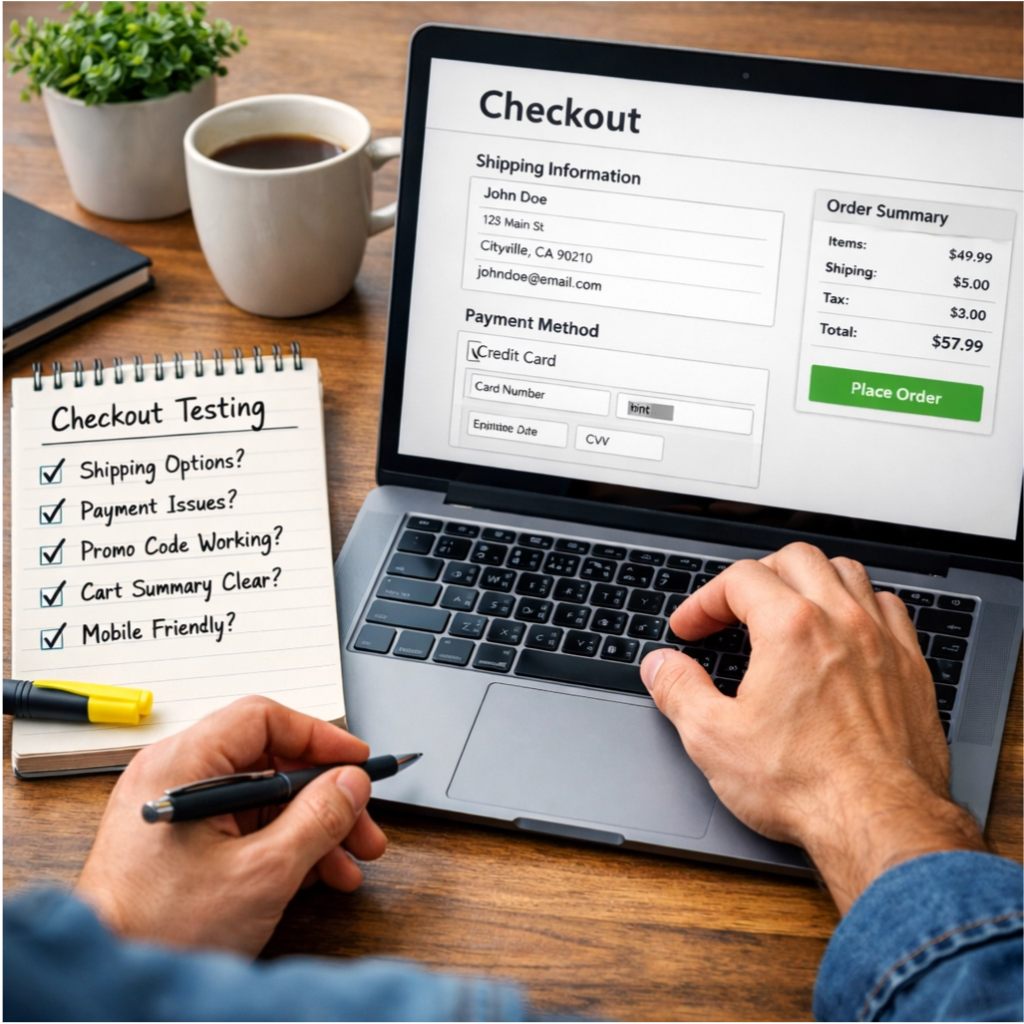
Think of your buying process as a clear path. Your goal is to remove any obstacles that might make your customer stumble or turn back. Test your own buying process regularly. Ask a friend or family member to go through it and give you honest feedback. Their fresh eyes can spot areas of confusion you might have missed. A simple, straightforward buying experience is not just good for sales; it is a powerful Customer Retention Strategy that keeps customers coming back because it is just so easy to do business with you.
In today’s fast-paced world, convenience is king. Customers expect a quick and easy journey from discovering your product to owning it. Every extra step, every confusing form field, every unclear instruction is a potential roadblock. When the buying process is simple, customers feel confident and in control. They appreciate the efficiency and are more likely to complete their purchase. This positive experience builds trust and makes them more inclined to choose your business again in the future.
So, how can you simplify the buying process for your customers?
- Clear Product Information: Make sure your product descriptions are easy to understand. Use clear images and highlight key benefits. Customers should know exactly what they are buying.
- Minimal Steps to Checkout: Reduce the number of clicks or pages required to complete a purchase. The fewer steps, the better.
- Guest Checkout Option: Not everyone wants to create an account. Offer a guest checkout option to speed up the process for first-time buyers.
- Easy Payment Options: Provide popular and secure payment methods. Make sure the payment process is smooth and error-free.
- Mobile-Friendly Experience: Many customers shop on their phones. Ensure your website and checkout process work perfectly on mobile devices.
- Transparent Pricing: Show all costs upfront, including shipping and taxes. Hidden fees can lead to abandoned carts and unhappy customers.
Go through your own product’s buying process right now, from start to finish. Pretend you are a brand new customer. Where do you find yourself hesitating? What questions come to mind? What steps feel unnecessary? Identify one area where you can simplify the process this week and make that change. This small improvement can have a big impact on keeping your customers happy and loyal.
13. Reward Referrals
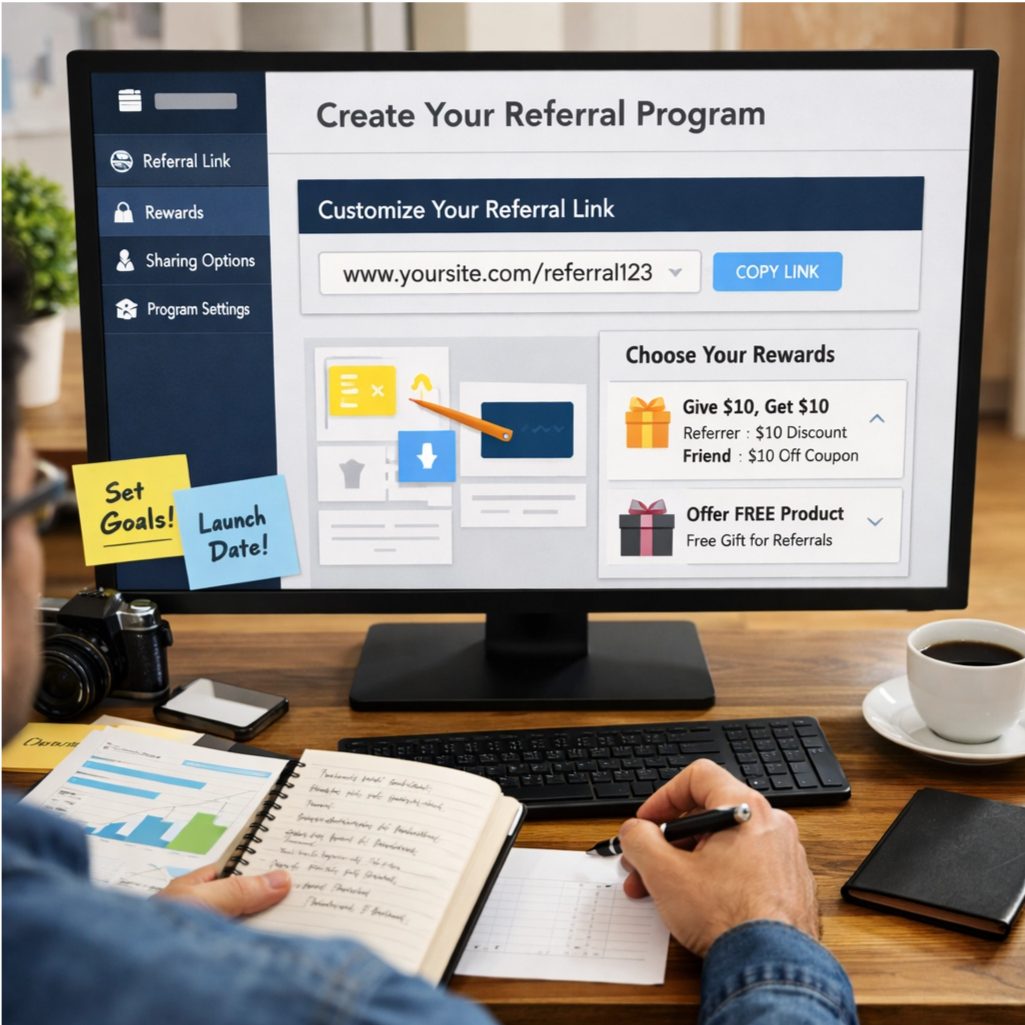
Rewarding referrals is a smart way to grow your business while simultaneously boosting your Customer Retention. It turns your happy customers into your best sales team. When you reward them for spreading the word, you not only get new customers, but you also make your existing customers feel valued and appreciated.
Why are referrals so powerful? Because people trust recommendations from friends and family more than any advertisement. A referral comes with built-in trust. It is a warm lead, meaning the new customer is already interested and more likely to buy. For your existing customers, being able to recommend something they genuinely love and get rewarded for it is a fantastic feeling. It strengthens their loyalty to your brand and gives them another reason to keep using and talking about your product.
Many businesses overlook the power of a formal referral program. They hope customers will spread the word naturally. While some will, a structured program gives them a clear incentive and makes it easy for them to do so. It is a win-win-win situation: new customers for you, rewards for your existing customers, and a great product for the new customer.
So, how can you set up a simple referral program?
- Decide on the Reward: What will you offer? It could be a discount on their next purchase, a free product, store credit, or even a small cash bonus. Make sure the reward is attractive to your customers.
- Reward Both Sides: The most effective programs reward both the referrer (your existing customer) and the referred friend (the new customer). This gives both parties a reason to participate.
- Make it Easy to Share: Provide unique referral links or codes that customers can easily share with their friends via email, social media, or messaging apps. The less friction, the more referrals you will get.
- Track and Automate: Use a simple tool or system to track who referred whom and to automatically deliver rewards. This ensures fairness and reduces your manual workload.
- Promote Your Program: Let your customers know about your referral program! Mention it in your emails, on your website, and on social media. Make it clear how they can participate and what they will earn.
Brainstorm a simple referral program for your business. What would be a good reward for your existing customers? What would you offer the new customer? How would they share their unique link or code? Start small, perhaps with a simple discount for both.t small, perhaps with a simple discount for both.
14. Track Customer Behavior

If you have an online store, log into your platform (e.g., Shopify, WooCommerce) and look at your customer reports. What is the average number of purchases per customer? What are your top-selling products? If you have a website, check your Google Analytics. What are your most visited pages? Identify one interesting piece of customer behavior data and think about how you could use that information to better serve those customers.
Tracking customer behavior is not about being nosy. It is about being smart. It helps you see patterns. These patterns tell you what your customers like, what they ignore, and where they might be getting stuck. For example, if many customers add an item to their cart but never buy it, that tells you there might be a problem with your checkout process or pricing. Without tracking, you are guessing. With tracking, you have real information to make better decisions.
This information helps you personalize their experience, which we talked about earlier. If you know a customer often buys dog toys, you can send them emails about new dog toys, not cat food. This makes your communication more relevant and valuable to them. When customers feel understood, they feel valued. This builds trust and strengthens their relationship with your brand.
So, what kind of customer behavior should you track, and how can you do it simply?
- Website Visits: How often do customers visit your website? What pages do they look at? How long do they stay? Tools like Google Analytics can show you this.
- Purchase History: What products do they buy? How often do they buy? What is their average order value? Most e-commerce platforms track this automatically.
- Email Engagement: Do they open your emails? Do they click on the links? Your email marketing software provides these insights.
- Product Usage: If you have a digital product or service, how often do they log in? What features do they use most? This helps you understand what brings them value.
Remember, the goal is not to collect data for the sake of it. The goal is to use this data to improve your customer experience. Look for trends. Ask yourself “why?” when you see something interesting. Then, use those insights to make small changes that lead to big improvements in customer satisfaction and loyalty.
15. Always Show Appreciation
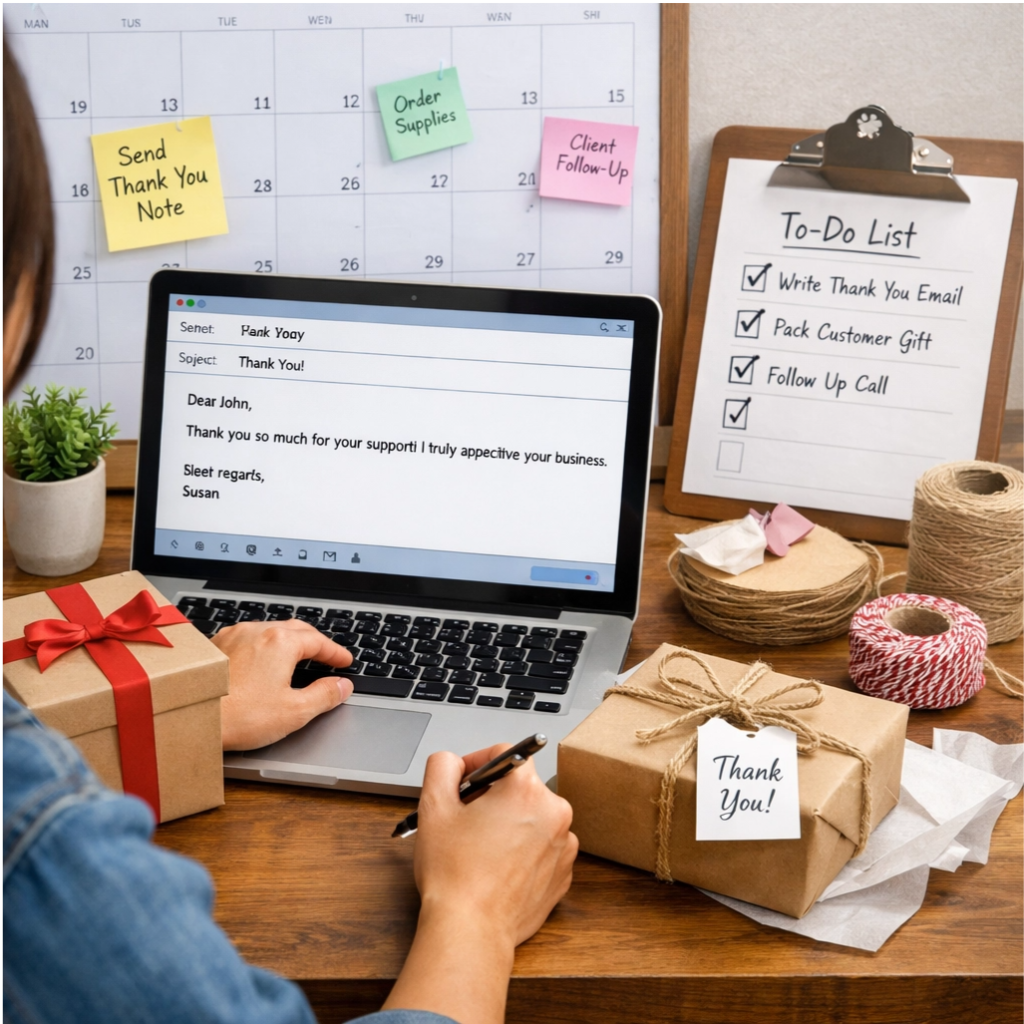
Think about your customer base. What is one simple, genuine way you can show appreciation to your customers this week? Could you send a personalized email to your last five buyers? Could you plan a small, exclusive discount for your longest-standing customers? Choose one idea and put it into action. This small act of gratitude will strengthen your customer relationships and boost your retention efforts.
Many businesses focus heavily on attracting new customers but forget to nurture the ones they already have. This is a big mistake. Your existing customers are your most valuable asset. They have already shown they like what you offer. A simple act of gratitude can make them feel seen and respected. This feeling of appreciation makes them more loyal. It makes them more likely to forgive small mistakes and more likely to recommend you to others. It transforms a transaction into a relationship.
So, how can you consistently show appreciation to your customers? It does not have to be expensive or complicated. Sincerity and thoughtfulness are what truly matter.
Here are simple, impactful ways to show your gratitude:
- Personalized Thank-You Notes: A handwritten note, even a short one, can make a huge impression. It shows you took the time and effort.
- Exclusive Discounts or Offers: Reward loyal customers with special deals that are not available to everyone else. This makes them feel like VIPs.
- Early Access to New Products/Features: Give your best customers a sneak peek or first chance to try new things. This builds excitement and makes them feel part of your inner circle.
- Public Shout-Outs: If a customer shares positive feedback or a photo of your product on social media, acknowledge them publicly. A simple retweet or comment can go a long way.
- Small, Thoughtful Gifts: Occasionally include a small, unexpected gift with an order, like a sticker, a sample, or a piece of candy. It is a pleasant surprise.
- Anniversary Messages: Send a personalized message on the anniversary of their first purchase or their birthday. A small gesture can create a big smile.
The key is to make appreciation a regular part of your customer journey, not just a one-time event. It should feel genuine and consistent. When customers know they are valued, they become your biggest advocates and stay with you for the long haul. This consistent effort is a powerful engine for your Customer Retention Strategies.
Conclusion
We have explored the heart of successful business: keeping your customers happy and loyal.
From providing excellent customer service every single time to personalizing their experience, creating engaging loyalty programs, and actively seeking and using their feedback, each strategy is designed to build a stronger bond.
We also discussed the power of staying connected through email marketing, the non-negotiable need to deliver consistent quality, the joy of surprising and delighting your customers, and the strength found in building a vibrant community around your brand.
Finally, we highlighted the importance of making the buying process simple and rewarding referrals to turn customers into advocates.
These strategies are not just about making sales; they are about fostering trust, creating value, and building relationships that stand the test of time.
So, we have only talked about a small part of customer retention strategies, and there is still much more to learn. That is why it is included in our digital product guide, and we strongly suggest you read it to understand everything better.