Many people want to sell a digital product with master resell rights, but they struggle to find high-quality products that people will actually buy.
Some products look good but have poor content, which can hurt your business and lose customer trust. This is why choosing the right product is very important.
In this blog post, you will learn how to find high-quality products step by step, how to check content, design, and demand, and how to avoid common mistakes.
By the end, you will understand how to choose better products that are easy to sell and help you build a successful digital business.
Understand What High-Quality Really Means
When you’re looking to sell digital products with Master Resell Rights (MRR), the term “high-quality” gets thrown around a lot.
But what does it truly mean? It’s more than just a pretty design.
A high-quality digital product is one that genuinely helps the end-user. It solves a real problem, provides clear value, and is easy to use and understand.
Think about it from the perspective of someone buying it from you. Would they be happy with their purchase? Would they feel like they got their money’s worth?
If the answer is yes, then you’re on the right track.
I always tell my clients that quality is the foundation of trust, and trust is what drives sales.
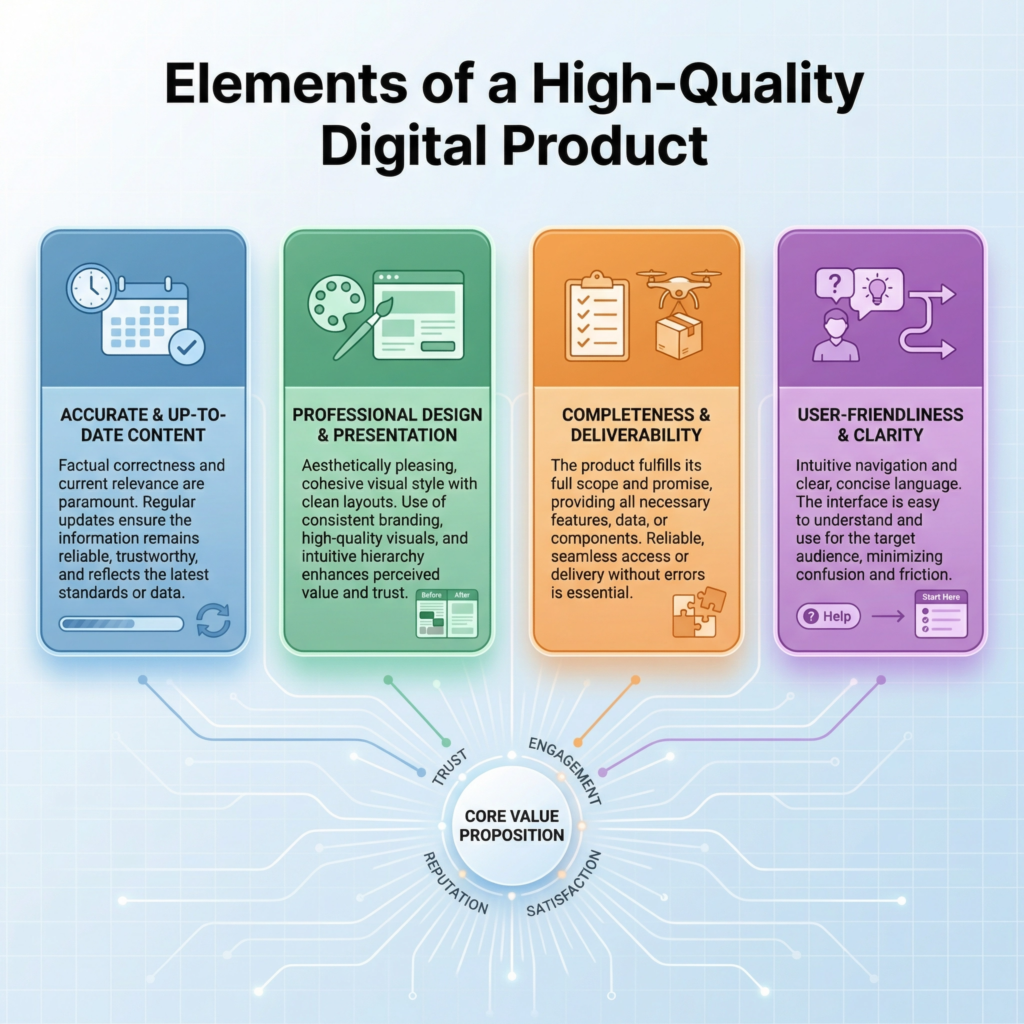
For a digital product, quality means several things.
First, the content itself must be excellent. Is the information accurate, up-to-date, and well-researched? Is it presented in a logical, easy-to-follow manner?
For example, if it’s an e-book, is the writing clear and engaging? If it’s a video course, are the lessons well-explained and free of technical glitches?
Second, the design and presentation matter. Even the best content can be overlooked if it looks messy or unprofessional.
This includes good formatting, readable fonts, clear images, and a consistent brand look.
A professional appearance signals that care and effort went into its creation.
Third, a high-quality product is complete. It doesn’t leave the user hanging or needing to buy another product to get the full solution. It delivers on its promise.
If it’s a template, it should be fully editable and easy to customize. If it’s a guide, it should cover the topic thoroughly.
Fourth, it should be user-friendly. Can someone with basic computer skills easily access and use the product? Are there clear instructions?
This reduces frustration and increases satisfaction. A product that is difficult to use, no matter how good the content, will lead to unhappy customers.
Finally, high-quality also means it’s relevant to your target audience. It addresses their specific needs and pain points. It offers a solution they are actively looking for.
Before you even consider selling an MRR product, take the time to review it thoroughly. Put yourself in the shoes of your ideal customer.
Would you be excited to buy this? Would you recommend it to a friend?
Your reputation is tied to the quality of the products you sell, even if you didn’t create them yourself. Choosing wisely is key to building a sustainable business.
Check the Content Depth and Value
When you’re choosing a digital product with Master Resell Rights (MRR) to sell, it’s not enough for it to just look good. You must Check the Content Depth and Value.
This means really digging into what the product teaches or provides. Does it offer real solutions? Is the information thorough and complete?
Will someone who buys this product actually learn something new or achieve a desired outcome?
This step is vital because the true worth of any digital product lies in its ability to deliver results for the end-user.
I always tell my clients: a shallow product might make a quick sale, but a deep, valuable one builds a lasting business.
Content depth refers to how much detail and information the product provides. Does it cover the topic comprehensively, or does it just skim the surface?
For example, if it’s a guide on social media marketing, does it explain how to create posts, how to find your audience, and how to measure results? Or does it just give a few general tips?
A deep product leaves no stone unturned. It anticipates questions and provides answers. It offers actionable steps, not just theories.
This ensures that the person using the product feels fully equipped to implement what they’ve learned.
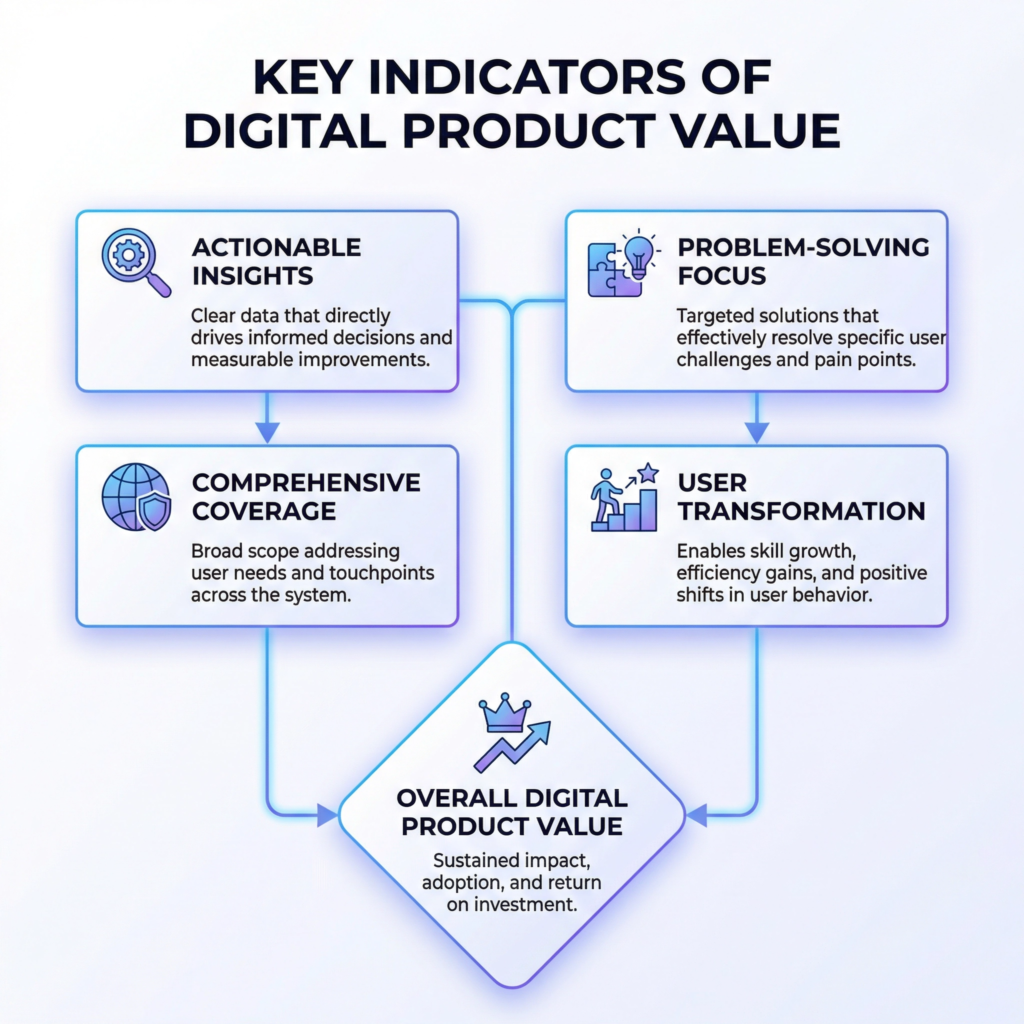
Content value is about the impact the product has. Does it solve a significant problem for your target audience?
Does it help them save time, make money, improve a skill, or achieve a personal goal?
The higher the value, the more people will be willing to pay for it, and the happier they will be with their purchase.
Think about the transformation it offers. Does it take someone from a state of confusion to clarity? From struggle to success?
The more profound the transformation, the greater the value. This is what makes a product truly stand out in a crowded market.
To properly check for depth and value, you need to go through the product yourself.
Don’t just read the sales page description. Download it, consume it, and try to apply its teachings.
If it’s a course, watch all the videos. If it’s a template, try to customize it. Ask yourself:
Would I pay for this?
Would I recommend this to a friend?
Does it deliver on its promises?
Does it provide clear, actionable steps?
Does it leave me feeling more knowledgeable and capable? Your honest assessment is crucial.
If you don’t find it valuable, your customers likely won’t either.
Choosing products with genuine depth and value is key to building a reputable business with MRR.
It ensures customer satisfaction, reduces refunds, and encourages repeat business and positive reviews.
Your success is directly linked to the success your customers achieve with the products you sell.
Review the License Terms Carefully
When you get a digital product with Master Resell Rights (MRR), you’re not just getting the product itself. You’re also getting a special permission slip called a License.
This license tells you exactly what you can and cannot do with the product. It’s super important to Review the License Terms Carefully before you start selling anything.
Think of it like a rulebook. If you don’t follow the rules, you could get into trouble.
This could mean losing your right to sell the product, or even facing legal issues. I always tell my clients: never assume; always read the fine print.
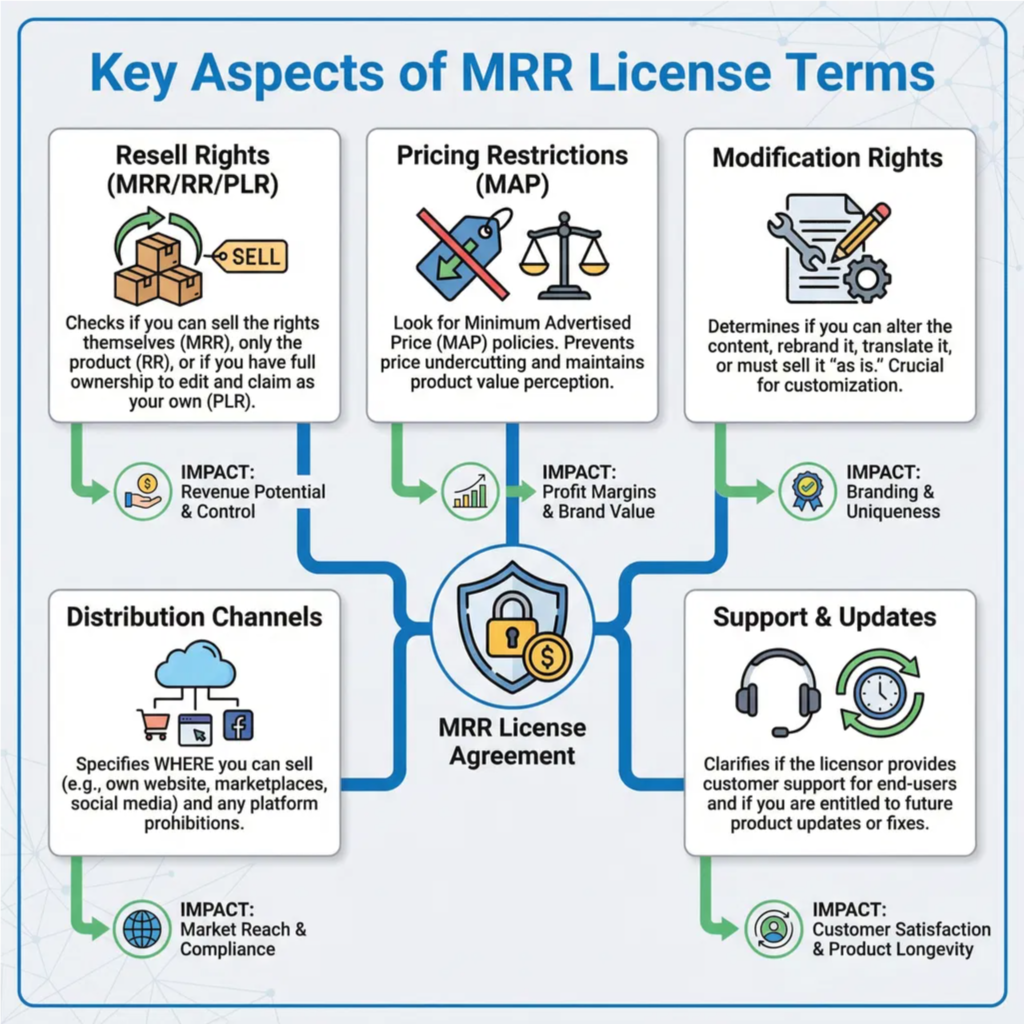
There are different kinds of resell rights, and each has its own set of rules.
With Master Resell Rights, you usually have the right to sell the product to others, and they also get the right to sell it.
But the license will specify many other things.
Can you change the product?
Can you put your own name on it?
Can you give it away for free?
Can you include it as a bonus with another product?
Can you sell it on certain platforms?
These are all questions the license terms will answer.
Some licenses are very strict, while others are more flexible. Knowing these details is key to running your business correctly.
Pay close attention to any restrictions. For example, some licenses might say you can’t sell the product for less than a certain price. This is called a Minimum Advertised Price (MAP).
Others might forbid you from claiming you created the product yourself.
It’s also common for licenses to state that you cannot pass on the Master Resell Rights to your customers.
They might only be able to get Private Label Rights (PLR) or just Resell Rights (RR).
Understanding these differences is vital for telling your customers exactly what they are buying from you.
Why is this so important? Because your reputation is on the line. If you accidentally break a license term, it can damage your credibility.
Your customers might also get confused or upset if they buy a product from you with certain expectations about their rights, only to find out later that those rights are different.
Being clear and compliant protects both you and your customers. It ensures a smooth and ethical business operation.
Taking the time to understand the license terms is an investment in your business’s long-term success.
Analyze Design and Presentation
Beyond the actual content, how a digital product looks and feels is incredibly important.
This is why you need to Analyze Design and Presentation carefully when choosing a Master Resell Rights (MRR) product.
Even the most brilliant information can be overlooked if it’s presented poorly.
Think about reading a book with tiny, cramped text and no pictures, versus one with clear headings, beautiful images, and an easy-to-read layout.
Which one would you prefer? Your customers will feel the same way. A professional and appealing design signals quality and attention to detail.
I always tell my clients: first impressions matter, and design is often that first impression.
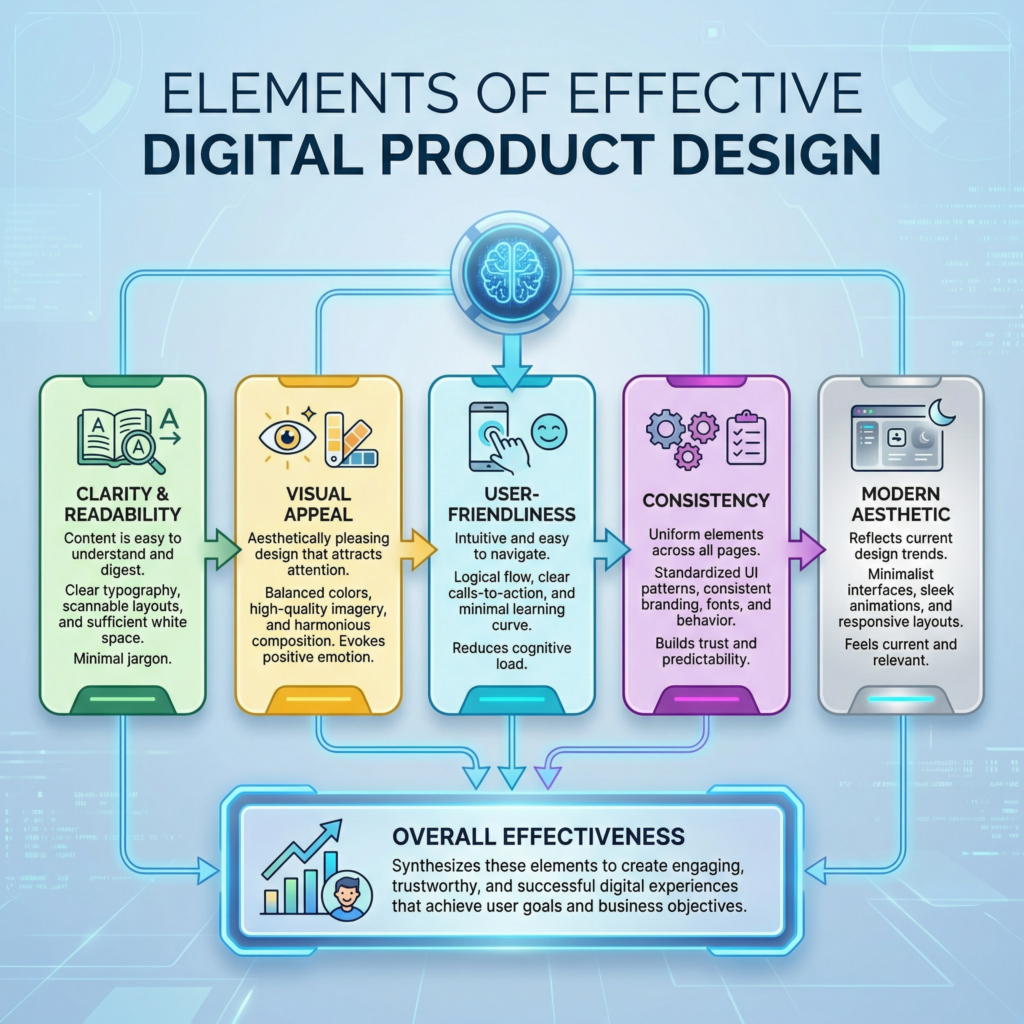
Good design isn’t just about making things pretty; it’s about making them functional and user-friendly.
For an e-book or guide, this means clear formatting, readable fonts, appropriate use of white space, and high-quality images or graphics.
Are the colors easy on the eyes?
Is the layout consistent throughout?
Does it look modern and professional, or outdated and amateurish?
For a video course, this includes the quality of the video itself (clear picture, good lighting), the on-screen graphics, and how well the information is organized visually.
A messy or confusing design can distract from the content and make the product seem less valuable.
The presentation also covers how easy the product is to navigate.
If it’s a course, is it simple to move from one lesson to the next?
Are there clear titles and progress indicators?
If it’s a template, is it easy to customize and understand?
A product that is difficult to use, even if the content is good, will lead to frustration and potentially refunds.
You want your customers to have a smooth and enjoyable experience from the moment they open the product.
This positive experience encourages them to complete the product and potentially buy more from you.
Consider the branding elements.
Does the product have a cohesive look and feel?
Does it use consistent colors, fonts, and imagery?
While you might be able to rebrand some MRR products (check the license terms!), starting with a well-designed product saves you a lot of time and effort.
A polished design also helps you sell the product at a higher price point.
People are often willing to pay more for something that looks premium and professional. It reflects positively on your own brand as a reseller.
Ultimately, analyzing the design and presentation is about ensuring the product is not only valuable in content but also enjoyable and easy to consume.
A great-looking product enhances the perceived value and improves the overall customer experience. This translates to happier customers and more sales for your business.
Research Market Demand
Before you even think about selling a digital product with Master Resell Rights (MRR), it’s super important to Research Market Demand.
This means finding out if enough people actually want or need the product you’re planning to sell.
Having a great product is one thing, but if there’s no one looking for it, you won’t make any sales.
This step helps you avoid wasting time and effort on products that won’t sell. I always tell my clients: don’t guess; investigate.
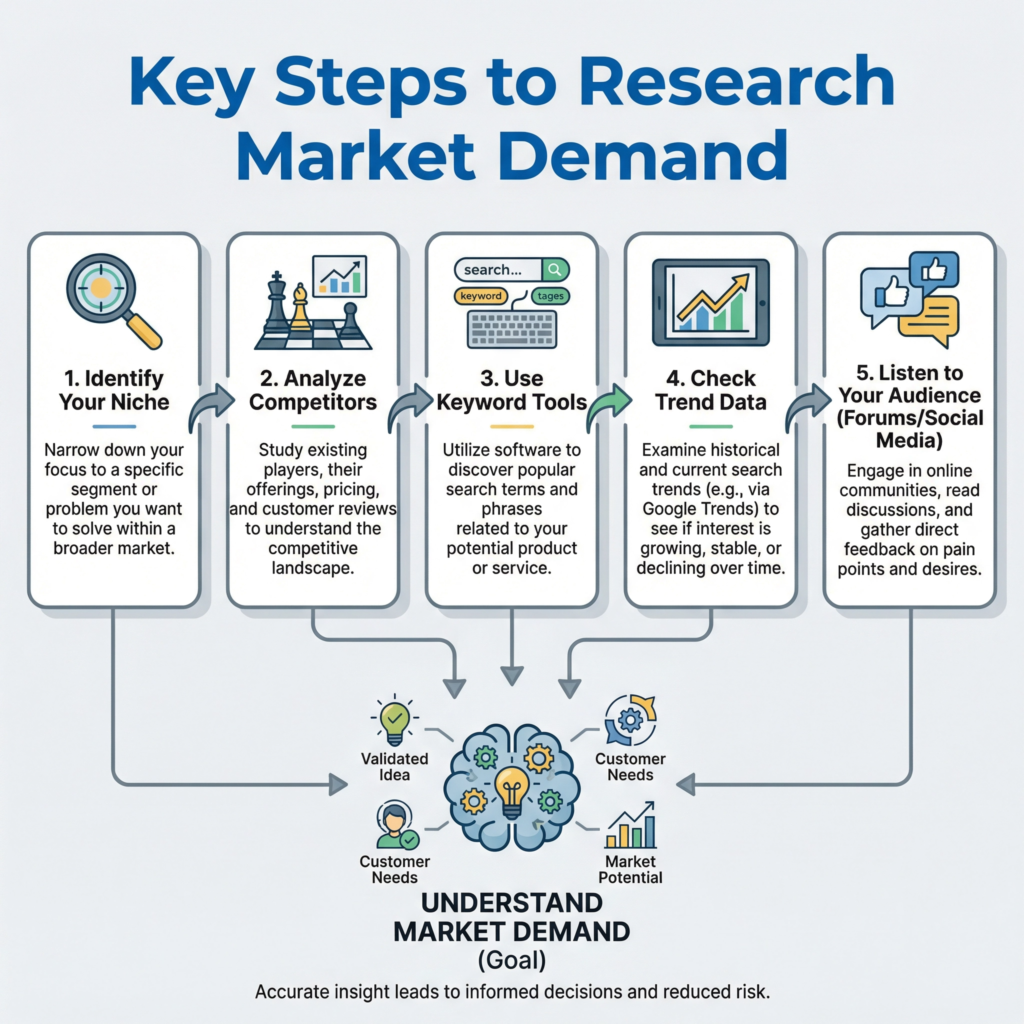
Market research isn’t complicated. You can start by looking at what’s already popular.
What kind of digital products are selling well in your niche?
What problems are people constantly talking about in online forums, social media groups, or comment sections?
These are clues about what people are willing to pay for.
For example, if you see many people asking for help with email marketing, an MRR product about building an email list would likely have good demand.
If you see lots of courses on a topic, it means there’s a market, but also competition.
Another way to research demand is by using simple tools. Google Trends can show you if interest in a topic is growing or shrinking over time.
Keyword research tools (even free ones) can tell you how many people are searching for terms related to your product.
If many people are searching for “how to start a podcast,” then a podcasting guide or course would be in demand.
Look at Amazon’s best-seller lists for e-books in your niche. What topics are consistently at the top? This gives you a good idea of what’s currently hot.
Don’t forget to look at your competitors.
Who else is selling similar products?
What are their sales pages like?
What are customers saying in their reviews (both good and bad)?
This helps you understand the market landscape. It also helps you find gaps or areas where you could offer something better or different.
Maybe all the existing products are too expensive, or they don’t cover a specific aspect that your audience needs.
Your goal is to find a sweet spot: a product that has good demand but isn’t oversaturated with too many sellers.
By thoroughly researching market demand, you increase your chances of success significantly.
You’re not just hoping people will buy; you’re selling something you know they already want.
This strategic approach builds a much stronger foundation for your MRR business.
Test the Product Yourself
After you’ve found a digital product with Master Resell Rights (MRR) that looks promising, fits your niche, and has good market demand.
There’s one crucial step you absolutely cannot skip: Test the Product Yourself. This means actually using the product as if you were a customer.
Go through every lesson, read every page, use every template, and try every tool. This hands-on experience is invaluable.
It’s the only way to truly understand what you’re selling and to ensure it lives up to its promises.
I always tell my clients: you can’t genuinely recommend something you haven’t experienced yourself. Testing the product helps you in several ways.
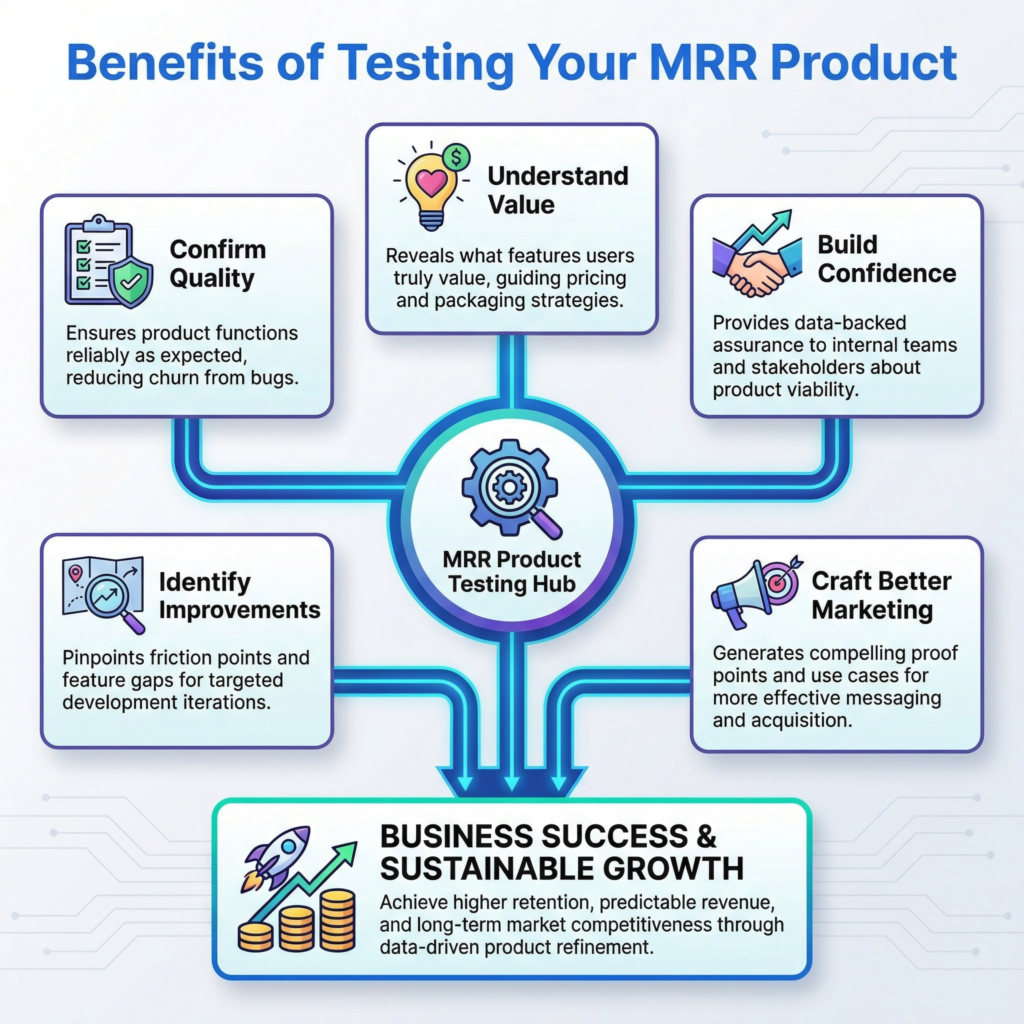
First, it confirms the quality.
Does the content flow well?
Is it accurate and up-to-date?
Are there any errors or broken links?
Does the design look as good in practice as it did in theory?
You’ll catch any issues that might lead to customer complaints or refunds later on.
Second, it helps you understand the value. By going through the product, you’ll see firsthand the transformation it offers.
You’ll understand the benefits from a user’s perspective, which is powerful for your marketing.
Third, it makes you a more confident salesperson. When you’ve personally used and benefited from a product, your enthusiasm will be genuine.
You’ll be able to answer customer questions with authority and share your own experiences. This authenticity builds trust with your audience.
They’ll see that you’re not just pushing a product; you genuinely believe in its ability to help them. This personal connection is a huge advantage in selling.
Fourth, testing helps you identify potential improvements or ways to add even more value.
While you might not be able to change the core product (check your license terms!), you can create complementary bonuses, offer personalized support, or develop unique marketing angles based on your experience.
For example, if you find a certain part of a course confusing, you could create a bonus guide to clarify it. This adds your unique touch and makes your offer even more attractive.
Finally, it helps you craft better marketing messages. You’ll know exactly what pain points the product addresses and what results it delivers.
You can use specific examples and language that resonates with your target audience because you’ve walked in their shoes.
This personal insight is something a generic sales page can never replicate.
Investing your time in testing the product yourself is an investment in your business’s integrity and success.
Check the Creator’s Reputation
When you’re choosing a digital product with Master Resell Rights (MRR), you’re not just buying the product itself. You’re also, in a way, associating yourself with its original creator.
This is why it’s very important to Check the Creator’s Reputation. Think of it like buying a car.
You wouldn’t just look at the car; you’d also consider the company that made it. Is it known for quality and reliability? The same goes for MRR products.
A product from a reputable creator is more likely to be high-quality, well-supported, and ethically produced.
I always tell my clients: your business’s reputation is built on the products you sell, so choose your partners wisely.
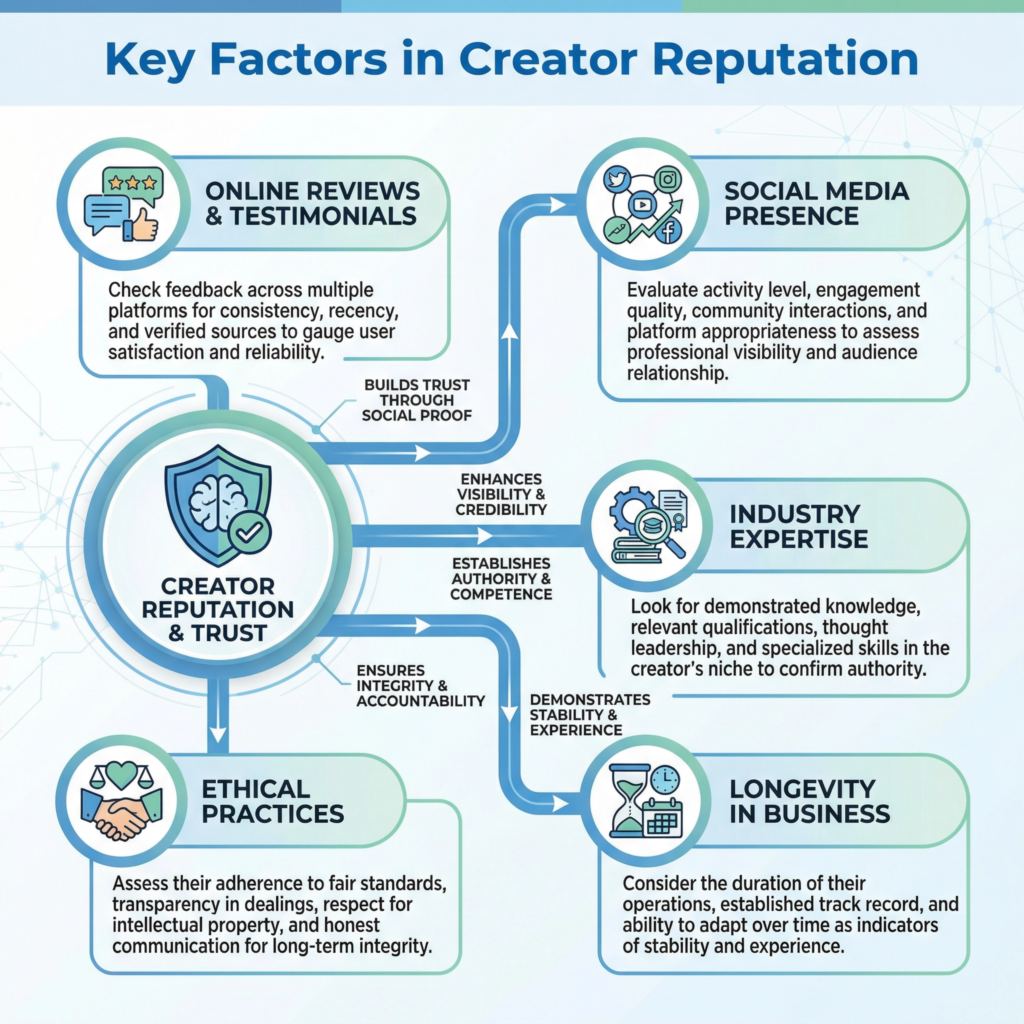
How do you check a creator’s reputation? Start by doing a quick online search. Look for their website, social media profiles, and any reviews or testimonials about their other products.
What do people say about them?
Are they known for creating valuable content?
Do they have a good track record of customer support?
Are there any complaints or negative feedback?
Pay attention to how they interact with their audience.
Do they seem knowledgeable and trustworthy?
A creator who is active and engaged in their community is often a good sign.
Also, consider the longevity of their business. Have they been around for a while, or are they a new face?
While new creators can offer great products, established ones often have a proven history of delivering quality.
Look for consistency in their brand and messaging. Does their overall presence align with the kind of business you want to build?
You want to partner with creators who share your values and commitment to quality.
This helps ensure that the MRR product you’re selling will reflect positively on your own brand.
Another aspect to consider is their expertise. Is the creator genuinely an expert in the topic of the digital product?
Do they have real-world experience or credentials that back up their claims?
If you’re selling a course on social media marketing, you’d want the creator to be a successful social media marketer themselves.
This adds credibility to the product and, by extension, to your offering.
A product from a true expert is more likely to be accurate, insightful, and effective for your customers.
By taking the time to research the creator’s reputation, you’re doing due diligence for your business.
You’re protecting your brand and ensuring that you’re offering products that you can confidently stand behind.
This step is crucial for building a sustainable and respected business selling MRR digital products.
Avoid Over-Saturated Products
When you’re looking for digital products with Master Resell Rights (MRR) to sell, it’s easy to get excited about popular topics.
However, a crucial strategy for success is to Avoid Over-Saturated Products. An over-saturated product is one that too many people are already selling. Think of it like a crowded beach on a sunny day.
Everyone wants a spot, but there’s not enough room for everyone to stand out.
When a market is flooded with similar products, it becomes much harder for you to get noticed, attract customers, and make sales.
I always tell my clients: standing out in a crowd is hard; finding your own space is much easier.
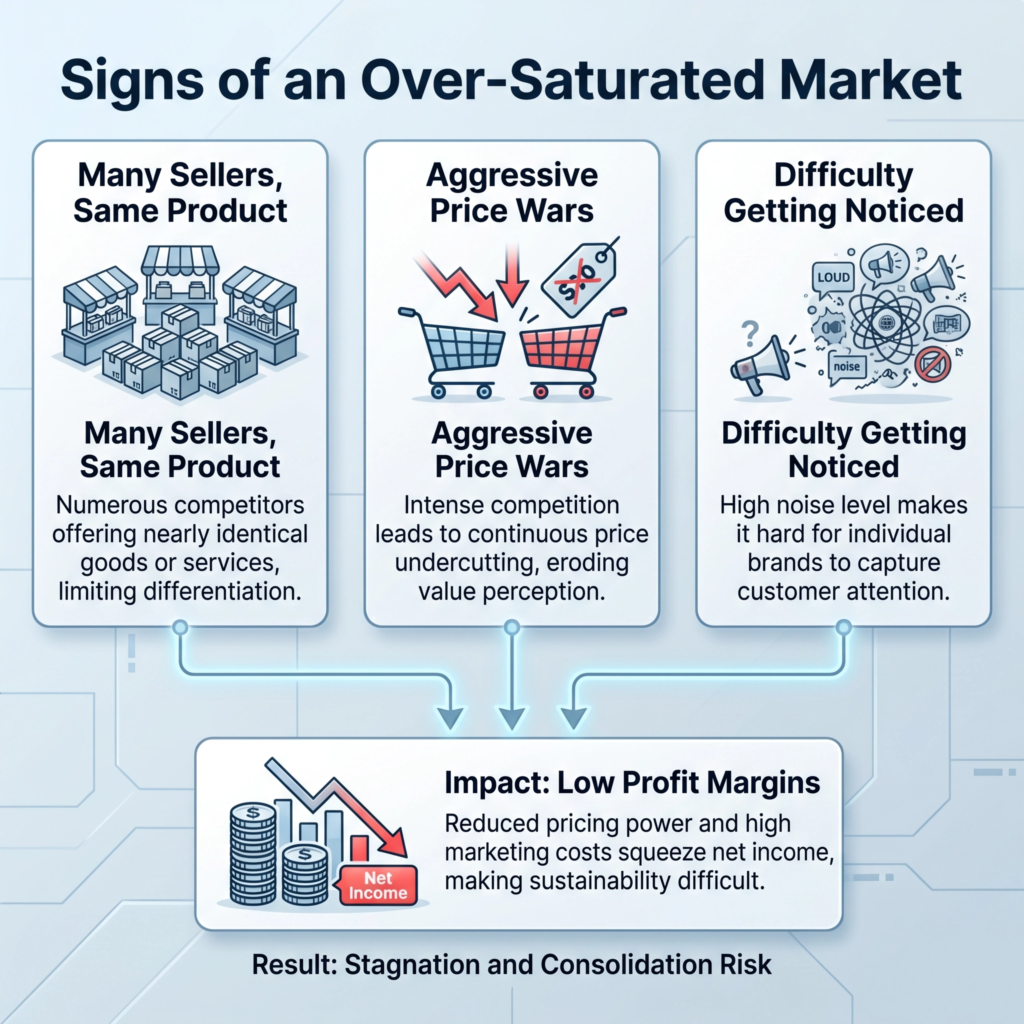
How do you spot an over-saturated product? One big clue is if you see the exact same product being advertised everywhere by many different sellers.
If every other social media ad or email in your inbox is promoting the same e-book or course, that’s a red flag. Another sign is if the product is being sold at extremely low prices.
When there’s too much competition, sellers often drop their prices to try and win customers, which can make it difficult for anyone to make a good profit.
While a product’s popularity might seem like a good thing, it can actually be a disadvantage if the market is already full.
Instead of jumping on the bandwagon, look for products that are in demand but not yet everywhere. This often means finding a unique angle or a specific sub-niche.
For example, if “social media marketing” is over-saturated, maybe “social media marketing for local bakeries” is not.
This allows you to target a smaller, more specific audience where there’s less competition.
You can become the go-to person for that particular solution. This makes your marketing efforts more effective and your sales easier.
Choosing less saturated products also gives you more room to differentiate yourself.
You can add unique bonuses, offer personalized support, or create a distinct brand around the product without getting lost in a sea of identical offers.
It allows you to build a stronger connection with your customers because you’re not just another seller; you’re a specialist.
This strategy is about smart business, not just quick sales. It’s about building a sustainable income stream by serving a specific need effectively.
By consciously avoiding over-saturated products, you position yourself for greater success.
You’ll spend less time fighting for attention and more time connecting with customers who genuinely need what you’re offering.
This thoughtful approach to selecting MRR products is a cornerstone of building a profitable and respected online business.
Look for Customization Opportunities
When you’re selecting digital products with Master Resell Rights (MRR), a smart strategy is to Look for Customization Opportunities.
This means choosing products that you can change, adapt, or brand as your own.
While selling a product exactly as it is can be quick, being able to put your unique stamp on it makes a huge difference.
It helps you stand out from other resellers who might be selling the exact same item.
Customization allows you to make the product truly yours, aligning it perfectly with your brand and your audience’s specific needs.
I always tell my clients: generic gets lost; unique gets noticed.
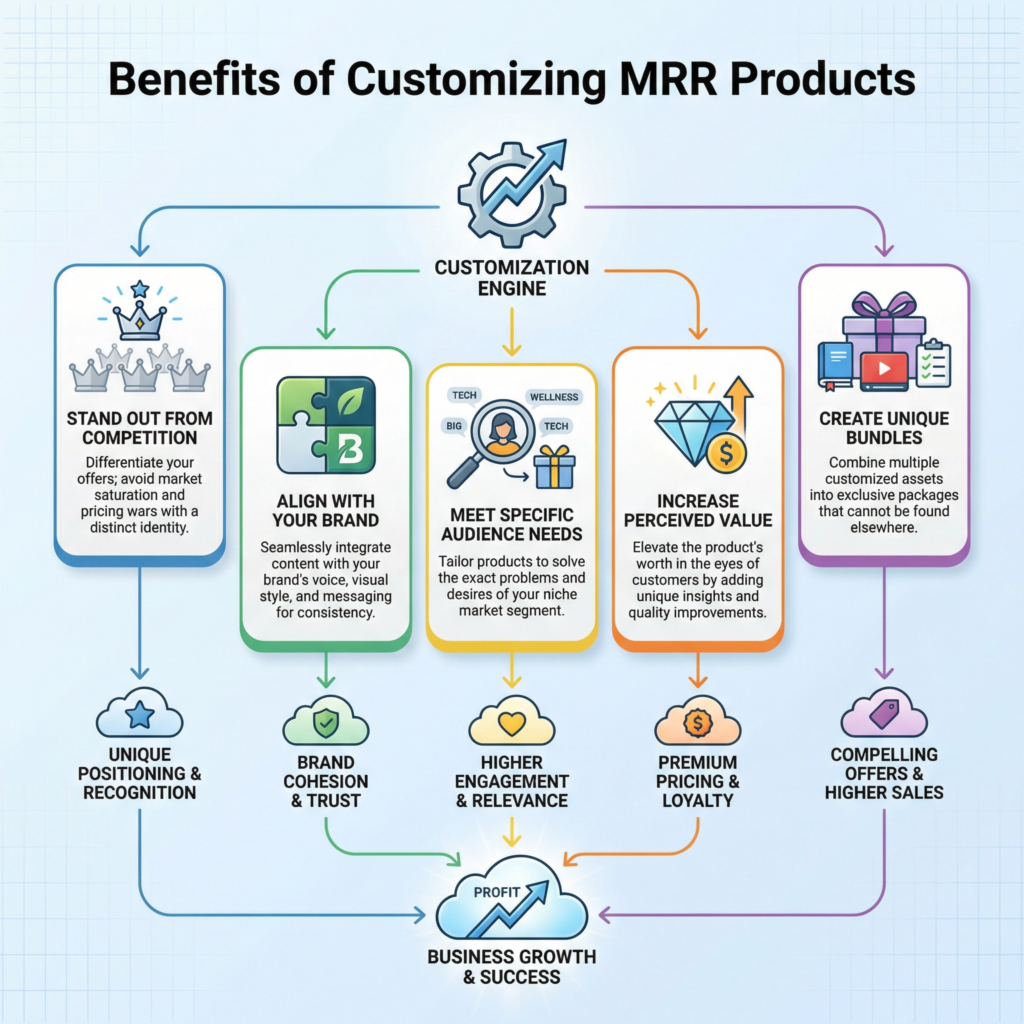
What kind of customization should you look for? First, check if you can change the cover or design.
A fresh, modern cover that matches your brand colors and fonts can instantly make the product feel new and exclusive.
Second, can you edit the content? This is a big one. Being able to add your own examples, insights, or even a personal introduction can significantly increase the product’s value.
You can update outdated information, add new sections, or tailor it to a very specific sub-niche within your audience.
This transforms a generic product into a highly targeted solution.
Third, look for products that come with editable templates or source files. For example, if it’s an e-book, does it come in a Word document or Canva template that you can easily modify?
If it’s a video course, can you add your own intro/outro or even record additional lessons? The more flexibility you have to make changes, the more unique you can make your offer.
This also allows you to combine different MRR products or add your own original content to create a completely new, premium bundle.
This strategy helps you create a distinct competitive advantage.
Customization also allows you to better serve your audience. You can take a general product and make it highly relevant to their specific challenges.
This shows that you understand their needs deeply and are committed to providing tailored solutions. It builds a stronger connection and trust.
Plus, when you’ve put your own effort into customizing a product, you’ll feel more confident and passionate about selling it.
This authenticity shines through in your marketing and makes your offer more compelling.
By actively seeking out MRR products with good customization opportunities, you’re not just reselling; you’re curating and enhancing.
You’re building a unique product line that reflects your brand and truly serves your audience, setting yourself up for long-term success in the competitive digital marketplace.
Conclusion
Navigating the world of digital products with Master Resell Rights (MRR) can be incredibly rewarding, but it requires a strategic approach.
We’ve covered the essential steps to ensure your success. We started by defining what High-Quality Really Means, emphasizing that true value lies in solving real problems for the end-user.
We then dove into the importance of a thorough Content Depth and Value Check, making sure the product delivers on its promises.
Crucially, we highlighted the need to Review the License Terms Carefully to understand exactly what you can and cannot do.
We also discussed the power of Choosing Products Relevant to Your Niche, ensuring your offerings resonate with your audience.
We then looked at how to Analyze Design and Presentation, recognizing that aesthetics and user-friendliness are key to perceived value.
To ensure your efforts are well-placed, we explored how to Research Market Demand, identifying products that people actually want.
We stressed the importance of Testing the Product Yourself to build genuine confidence and authenticity.
Finally, we learned to Check the Creator’s Reputation to align with trustworthy sources and to Avoid Over-Saturated Products to stand out in the marketplace.
Each of these steps is a building block for a sustainable and profitable MRR business.
By taking the time to carefully select and understand the products you sell, you’re not just reselling; you’re curating valuable solutions that will genuinely help your customers.
This thoughtful approach builds trust, enhances your brand, and sets you apart from the competition.
What Next?
Ready to Build a Brand That Gets Results?
Don’t let opportunities pass you by because people don’t know who you are or what you offer.
Learn how to define your unique value, grow your online presence, and build credibility that attracts customers and clients.
Start building your personal brand today—download your copy now!